The full three days were needed to create the simulation report because I had to update it through manual work, which required me to copy data, check all numerical values, and change the format of tables. The process required all my efforts. My engineering expertise became useless during that experience.
The year 2026 will mark the end of the best engineering AI as a temporary trend. The technology creates a permanent transformation of design processes, which include simulation and documentation, project planning, and programming. If you want to understand how this shift is happening across industries, explore how AI is transforming your business at every level.
In this article, I will show you the present top 11 AI engineering tools that engineers should use. The demonstration will show you the functions of each tool, its target audience, and the reasons it deserves your attention. I will demonstrate to you how engineers utilize these tools in their real work through actual projects, which show their practical usage.
Why Engineers Need AI Tools in 2026
The AI tools for engineers require workers to repeat tasks throughout their careers. The same report requires authors to write multiple times for different projects. Engineers need to wait through hours or days of simulation testing. Developers need to keep a record of all their code modifications. Engineers need to check drawings for mistakes. Engineers need to complete these tasks, but these tasks use up their time, which they need to solve problems and create new solutions.
The following pattern exists, according to my observations. ai for engineers uses AI to run faster CFD and FEA simulations. Civil engineers use it for smarter construction scheduling and risk prediction. Software engineers use AI coding tools to increase their efficiency when writing, debugging, and reviewing code. Electrical engineers use AI to create models of complicated systems that require less manual labor.
Engineers who do not adopt AI engineering tools by 2026 will find themselves using extra time to complete tasks that their rivals have already streamlined through automation.
How We Selected These 11 Tools
You should not spend your time examining all available AI tools for engineering. I evaluated each tool through three criteria, which tested its actual workflow usability, measured its usage by engineering teams, and assessed its compatibility with the software solutions used by engineers in their daily work.
The AI tool for engineering examines five essential areas, which include coding productivity, simulation, design and research, project planning and scheduling, documentation, and workflow automation. The tools work together to provide solutions that meet the needs of all project phases in engineering work.
Top 11 AI Tools for Engineers (2026)
1. GitHub Copilot — AI Coding Partner
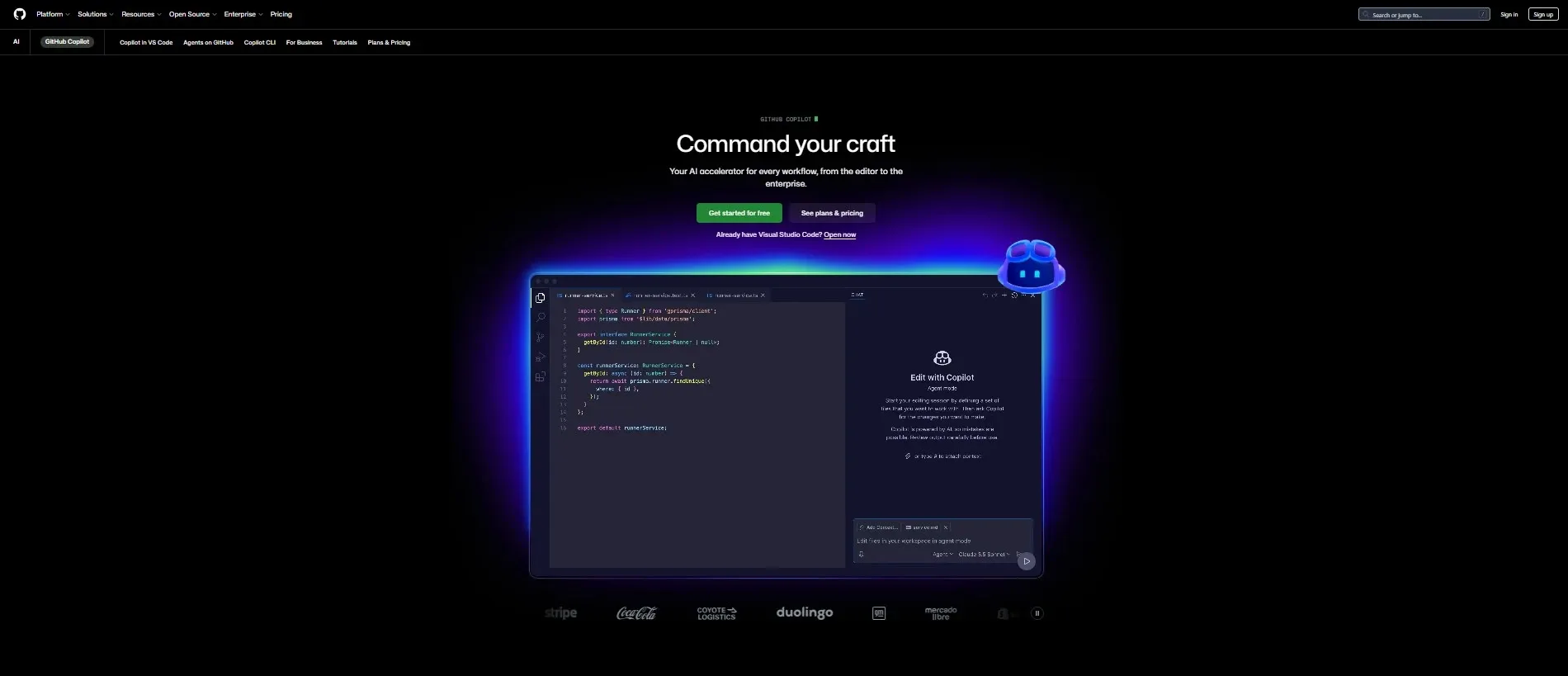
If you write code for any part of your engineering work, GitHub Copilot is probably the most useful tool you can add right now. It works inside your code editor and suggests entire lines, functions, or even full blocks of code as you type. It supports dozens of programming languages, so whether you are writing Python scripts for data analysis, MATLAB routines, or C++ for embedded systems, Copilot has you covered.
The main advantage of Copilot operates through faster code execution, which produces better results, but its system transforms the entire process of software debugging. When software fails, Copilot provides detailed repair solutions before users complete their error message review. Engineers who write code on a regular basis will find this feature to be an effective method to save time.
2. Cursor — Next-Gen AI Code Editor
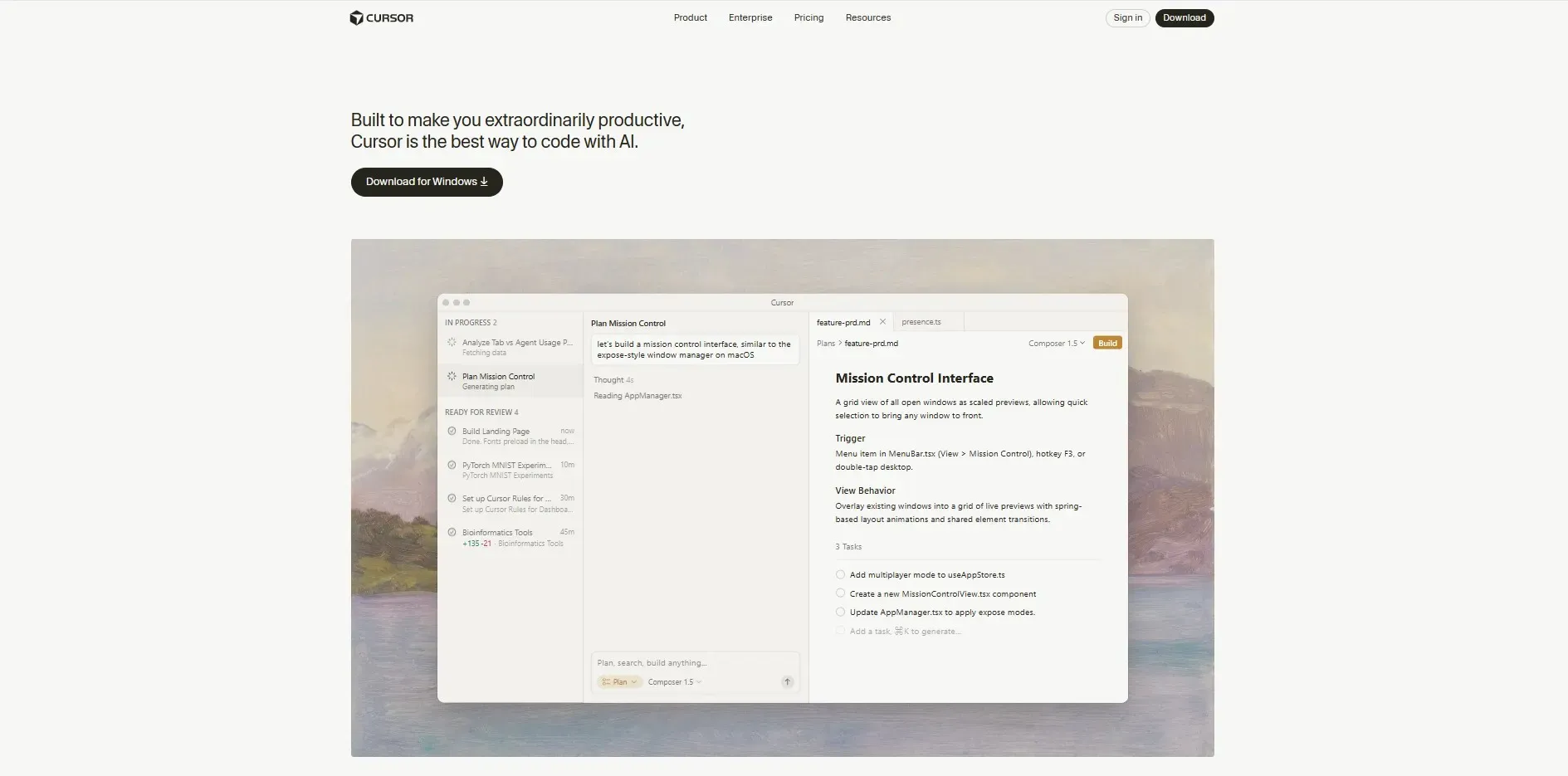
Think of Cursor as a smarter code editor that understands your entire project, not just the file you have open. It can handle complex, multi-file tasks things like refactoring a function that is used across dozens of files, or building a new feature from a natural language description.
Cursor delivers maximum value to engineering teams who develop simulation software, control systems, and data pipelines. You describe what you want in plain English, and it handles the implementation details. The AI tool stands as one of the top options for software engineers who develop large and intricate codebases. To get the most from tools like Cursor, using the right JavaScript tools for web development alongside it can significantly sharpen your workflow.
3. Neural Concept — AI Simulation for CFD and FEA
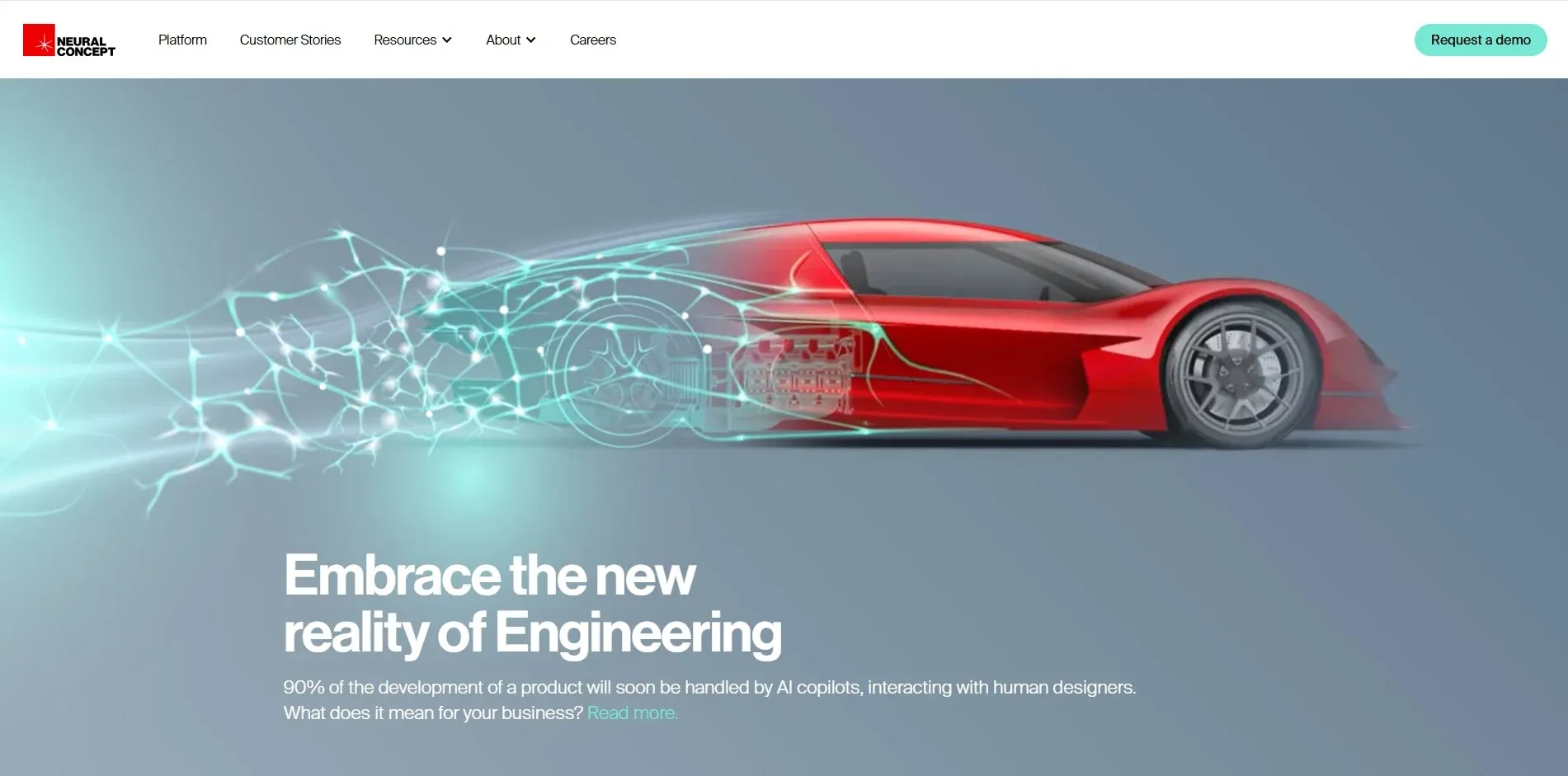
CFD and FEA simulations based on traditional methods require hours or days to complete. Neural Concept uses deep learning to replace those slow traditional solvers with AI models that can produce results in a fraction of the time. The speed differences require users to experience it firsthand for proper evaluation.
This is one of the best AI tools for mechanical engineers and product designers. If you are doing aerodynamics analysis, structural testing, or thermal modeling, Neural Concept can dramatically cut your iteration cycles. You get more design options tested in the same amount of time.
4. Autodesk Forma — Early Design and Environmental Analysis

Most design mistakes happen at the beginning of a project, when decisions are made quickly without enough data. Autodesk Forma changes that by bringing AI-powered environmental analysis into the early stages of architectural and site design. It evaluates factors like wind, sunlight, noise, and energy performance in real time as you sketch out a concept.
The software enables civil engineers and structural engineers to receive instant project feedback during their initial project assessment work. Understanding the benefits of AI for business helps explain why tools like Forma are rapidly becoming standard in architecture and construction firms.
5. Ansys AI — Real-Time Simulation Feedback
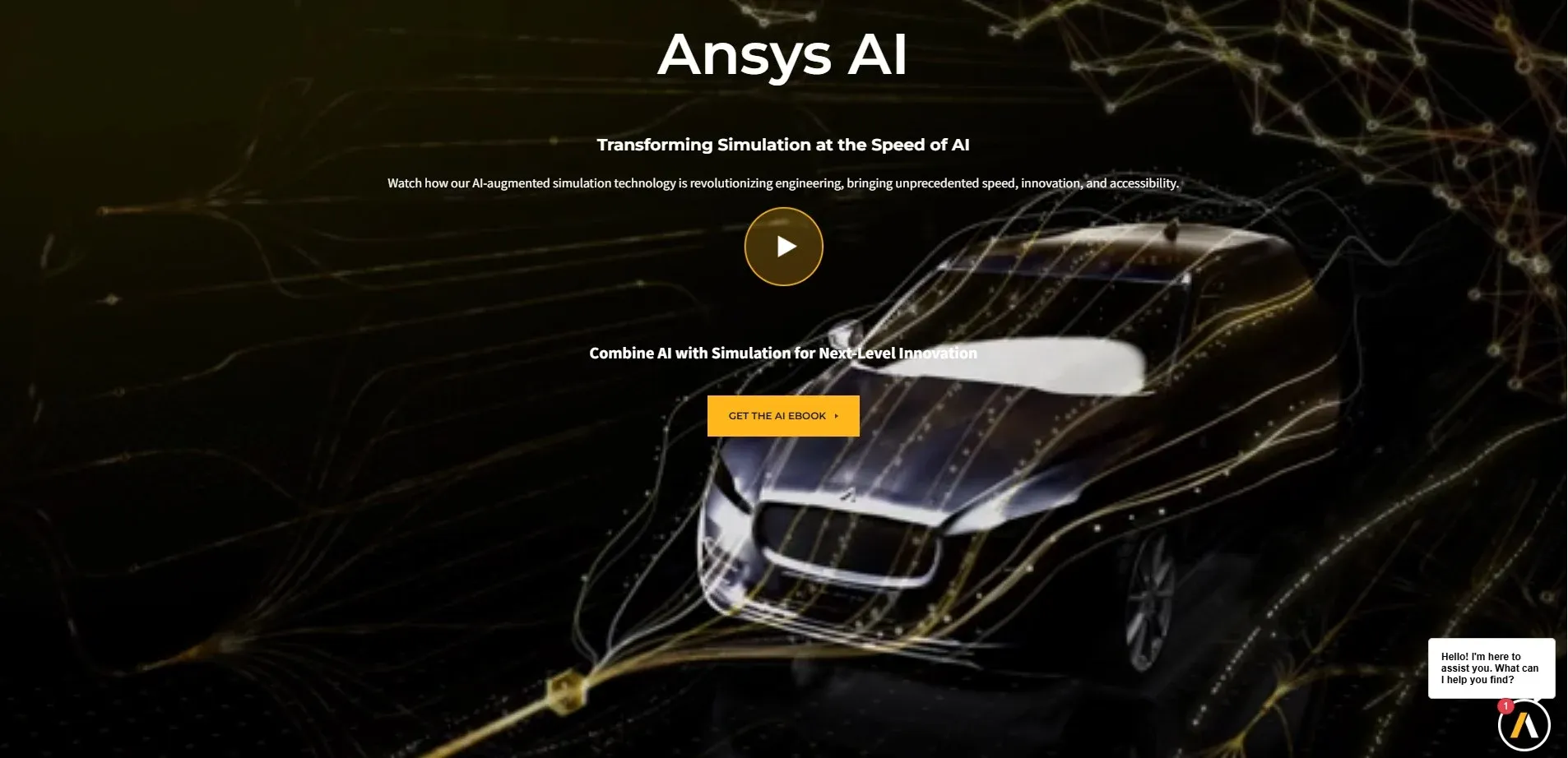
Ansys has been a trusted name in simulation for decades. Their newer AI-enhanced simulation features take things further by giving you instant feedback as you edit geometry. You do not have to wait for a full solver run to know if a design change improves or hurts performance.
Engineers from the mechanical and aerospace fields will experience significant workflow enhancements through this development. The new system allows you to test multiple design options while discovering issues at an earlier stage, which reduces both time and costs.
Also Read: Best AI Productivity Tools in 2026 (Ultimate Guide)
6. Qodo — AI Code Review and Testing Assistant
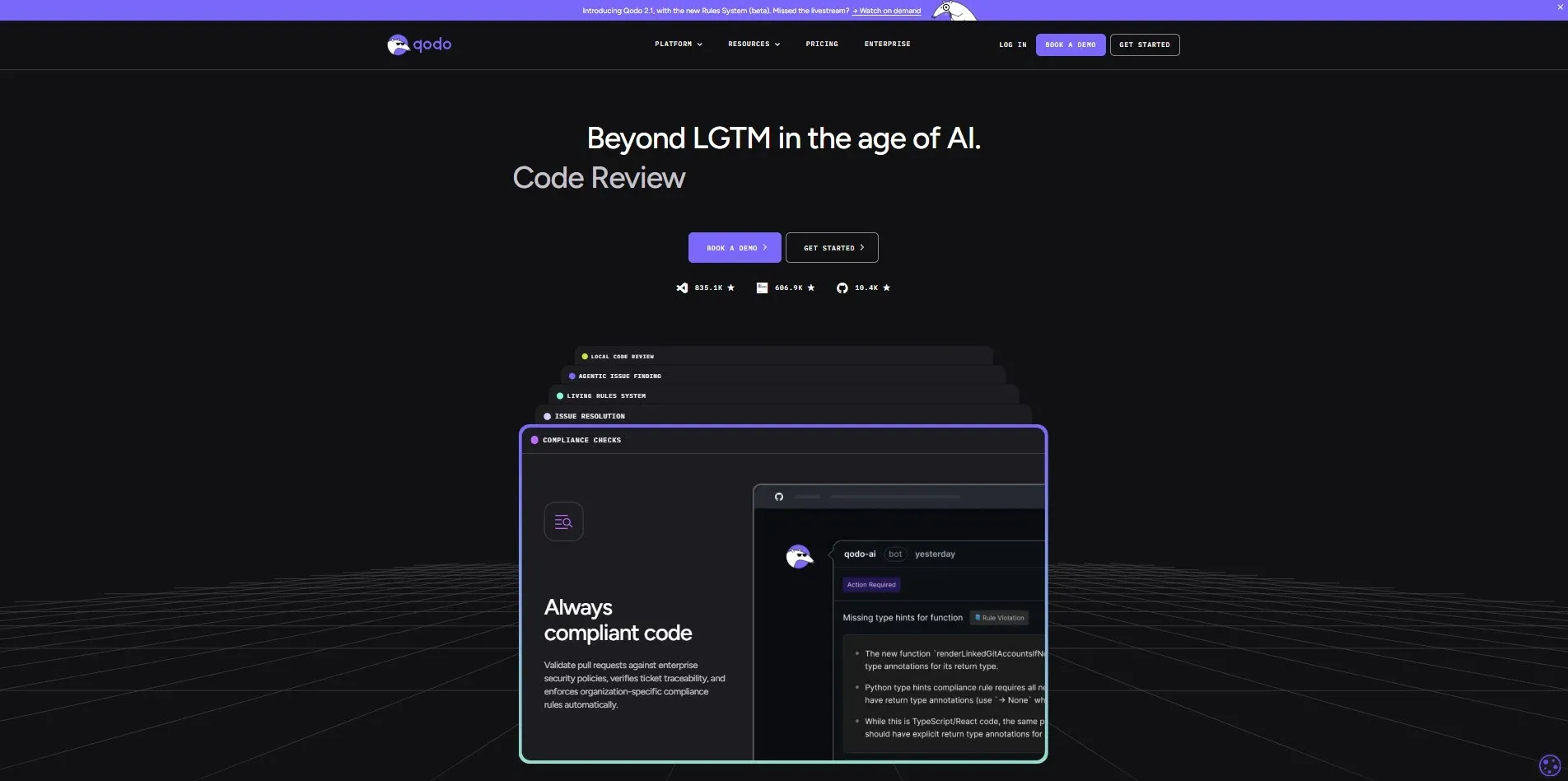
Engineering software projects face ongoing difficulties with maintaining code quality. The Qodo system, formerly known as Codium AI, assists with automated code review. The system analyzes your codebase to identify testing requirements that you have not yet discovered. It detects both logical mistakes and hidden edge cases that developers typically miss during their work.
Qodo provides essential benefits to software engineers who work in large development teams. The software streamlines the review process while delivering uniform quality standards for all code within a project. Teams looking to pair smart tooling with proven backend frameworks will find it worthwhile to explore the benefits of Laravel for enterprise development.
7. Perplexity — Instant Research Assistant
Engineering research is time-consuming. Reading through technical papers, standards documents, and specification sheets takes hours. Perplexity AI makes this faster by summarizing sources and answering specific technical questions with citations. It pulls from the web in real time, so you are always getting current information.
Most engineers I know use Perplexity to quickly understand a new topic before diving deep, or to check standards and regulations without reading entire documents from start to finish. It is a lightweight but genuinely useful AI research tool for engineers.
8. Buildots — Construction Progress AI
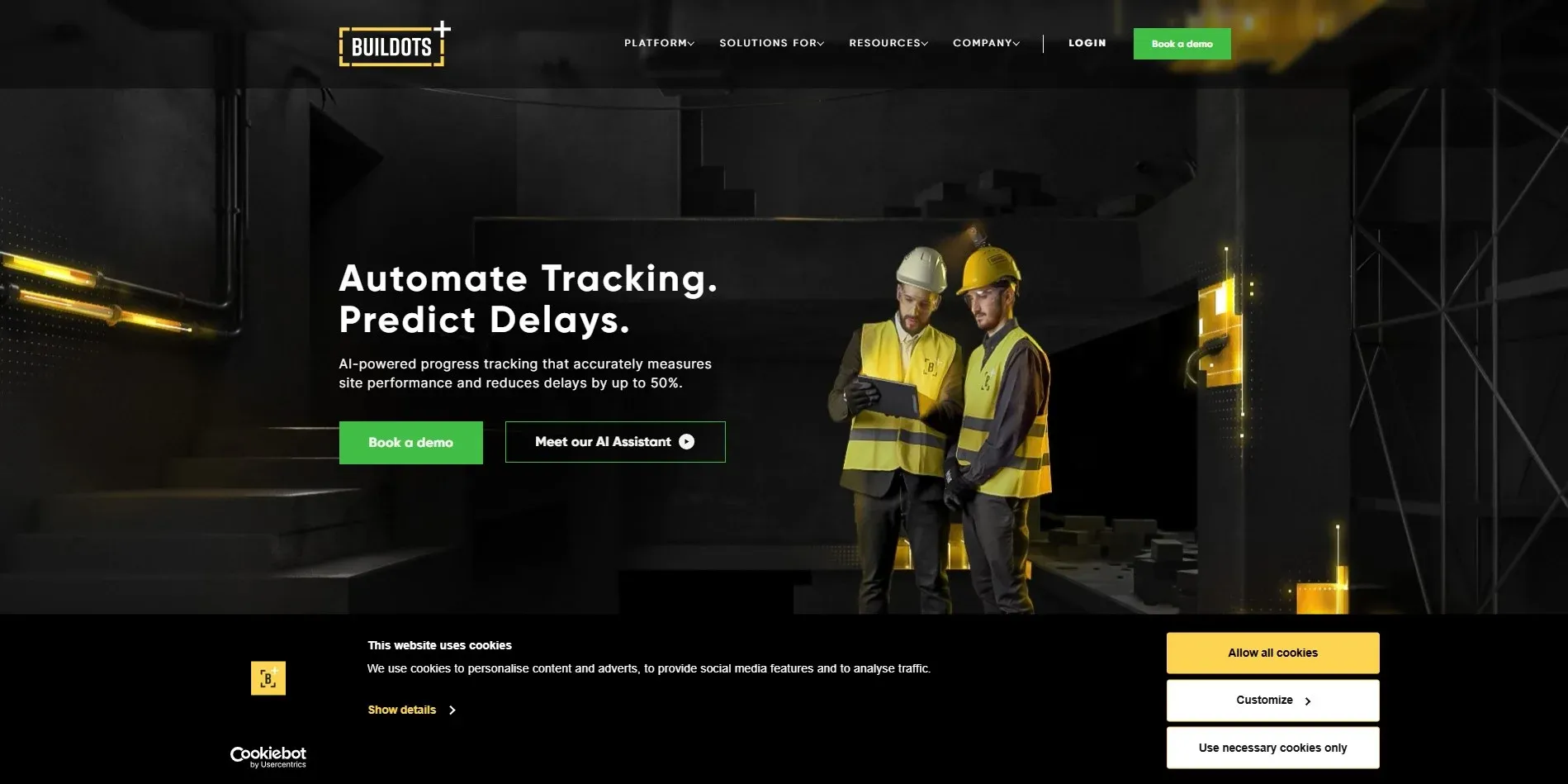
For civil engineers and construction managers, Buildots is a standout tool. It uses 360-degree camera footage captured on-site and compares it automatically to your BIM model. This means you get a real-time view of construction progress versus plan, without manually walking every corner of the site with a checklist.
This makes it easy to spot delays, quality issues, and discrepancies early. That early visibility saves money and prevents the kind of rework that derails project schedules. The rise of tools like Buildots is a strong example of how AI is transforming the manufacturing industry and construction at the same time.
9. ALICE Technologies — Construction Scheduling AI
Construction scheduling stands as the most intricate planning challenge that engineers must solve. The situation involves multiple factors crew equipment, weather windows, material deliveries, and task dependencies which ALICE Technologies uses to create and assess numerous construction sequence options until it identifies the optimal approach.
ALICE provides project planners and construction engineers with scheduling options that human planners would not discover through their normal work. The system serves as an advanced AI instrument that assists civil engineers in managing their construction projects.
10. nPlan — Predictive Project Risk AI
All major engineering projects contain inherent schedule risks. The question is: which risks are actually likely to cause delays? nPlan provides the answer to that question through its machine learning system, which uses historical project data for training. It examines your schedule to identify potential delay areas, which will become apparent weeks before they actually present issues.
For project managers and engineering leads responsible for large infrastructure or construction projects, nPlan offers predictive capabilities that exceed the limitations of standard risk assessment methods. To understand the underlying technology powering tools like nPlan, it helps to learn what machine learning is and how it drives modern predictive systems.
How Engineers Are Using AI Tools in Real Projects
This situation reaches its most interesting point. People need to understand both the existence of a tool and its actual implementation to evaluate its value. The actual use of the tool by engineers demonstrates its true worth.
-
Design iteration has gotten dramatically faster: Teams using Neural Concept and Ansys AI are testing five or ten design variations in the time it used to take to test one. That directly improves the quality of final designs.
-
Code development and debugging are faster: with GitHub Copilot and Cursor. Engineers writing automation scripts, simulation tools, or control software report cutting their development time by 30 to 50 percent on routine tasks.
-
Documentation and proposals take fewer hours: when engineers use AI to generate first drafts. Many teams use AI tools to create initial documentation, then review and refine it, rather than starting from a blank page.
-
Project risk management is becoming more data-driven: with tools like nPlan and ALICE Technologies. Teams are catching schedule risks weeks earlier than they used to, and that is reducing costly surprises near project completion.
Industry Trends Driving AI Adoption in Engineering
The year 2026 will see multiple trends that lead to increased adoption of artificial intelligence within engineering fields. First, AI agents now demonstrate the capability to execute complete workflows through autonomous execution of multi-step tasks, which extends well beyond simple question answering. This development has reached an early stage, yet it progresses at a rapid pace.
The term vibe coding, which has gained popularity, describes a development method that lets engineers create software through natural language descriptions of desired features while AI systems handle the actual implementation. If you are curious about this approach, there is a thorough explanation of what vibe coding is and how it works.
Choosing the Right AI Tool for Your Engineering Workflow
The first step to evaluating new tools requires performing an honest initial assessment. The first question to answer is whether the product works with the existing software systems your team uses. The second question requires an answer about the time needed for users to reach their first productive work stage. The third question requires users to determine whether the software provides actual solutions to their work processes or whether it exists only to impress audiences during product demonstrations.
The fastest way for teams to achieve results begins with the selection of two essential tools: an AI coding assistant and an AI research tool. The team can then adopt simulation or project planning AI once they achieve an initial comfort level.
Future Trends in AI for Engineering
The upcoming years will produce even greater transformations. Major companies currently develop autonomous simulation agents AI systems that execute complete simulation campaigns with little need for human control. The industry will soon achieve its first complete AI design process, running from initial concept development all the way through to detailed final design.
The field of AI application is also expanding rapidly into specialized engineering disciplines, including semiconductor engineering and chip design. New tools have started to emerge that provide support for circuit design activities including layout creation, verification, and optimization at a level of complexity that traditional tools simply cannot handle. Exploring the broader applications of AI across these disciplines gives a sense of just how wide this transformation will reach.
Engineers should understand this main point: the tools they use are advancing rapidly. The technologies that currently appear cutting-edge will establish themselves as common practices within the next two to three years.
Conclusion
The use of AI tools for engineers does not replace engineers; instead, it empowers them to work faster, smarter, and more efficiently. The best AI tools for engineers in 2026 including GitHub Copilot, Cursor, Neural Concept, Ansys, nPlan, and Buildots solve real problems that engineers face in their daily workflows, from coding and simulations to project planning and construction monitoring.
The first step to building an AI-powered workflow is identifying which part of your work process consumes the most time. Once you understand the bottleneck, you can choose an AI engineering tool that directly solves that problem and test it within your workflow.
Many companies are already accelerating their digital transformation by adopting AI-driven engineering tools and automation solutions. Organizations like RejoiceHub help businesses implement AI technologies, build intelligent automation systems, and integrate AI tools into real-world engineering and development workflows.
Most successful engineering teams start small testing AI solutions that provide immediate value before scaling them across the organization. As AI technology continues to evolve, engineers who adopt these tools early will gain a significant advantage in productivity, innovation, and project efficiency.
Frequently Asked Questions
1. What are AI tools for engineers?
AI tools for engineers are software platforms that use artificial intelligence to automate tasks such as coding, simulation, design analysis, research, documentation, and project planning.
2. How do AI tools help engineers improve productivity?
AI tools help engineers automate repetitive tasks, speed up simulations, generate code faster, detect errors early, and assist with research and documentation.
3. Which AI tool is best for engineering coding tasks?
GitHub Copilot and Cursor are among the best AI coding tools for engineers because they can generate code, debug programs, and suggest improvements in real time.
4. What is the best AI simulation tool for engineers?
Neural Concept and Ansys AI are popular AI simulation tools used for CFD, FEA, and engineering analysis because they significantly reduce simulation time.
5. Can AI replace engineers?
No, AI cannot replace engineers. AI tools assist engineers by automating routine tasks, but engineers are still needed for problem solving, decision making, and innovation.
6. Which AI tools are useful for civil engineers?
Civil engineers commonly use tools like Autodesk Forma, Buildots, ALICE Technologies, and nPlan for site analysis, construction monitoring, and project scheduling.
7. Are AI tools useful for mechanical engineers?
Yes. Mechanical engineers use AI tools for simulation, product design optimization, and structural analysis using platforms like Neural Concept and Ansys AI.
8. What AI tools help engineers with research?
Perplexity AI is a powerful AI research assistant that helps engineers summarize technical documents, find standards, and explore complex topics quickly.
9. Do AI tools work with existing engineering software?
Many AI tools integrate with existing platforms such as CAD tools, code editors, BIM systems, and project management software.
10. Are AI engineering tools expensive?
Some AI tools offer free plans or trials, while enterprise tools like simulation AI platforms may require paid subscriptions.
11. How are engineers using AI in real projects?
Engineers use AI to accelerate design testing, automate coding, monitor construction progress, predict project risks, and generate documentation faster.
12. What skills do engineers need to use AI tools?
Engineers should understand basic AI concepts, automation workflows, data analysis, and prompt-based interaction with AI systems.
13. What is the future of AI in engineering?
AI will increasingly automate simulations, optimize designs, support autonomous engineering workflows, and assist in complex system modeling.