Let me clear you, many years ago, I was spending hours every week staring at a blank screen, trying to write blog posts, emails, and social media captions. It felt exhausting. Then I started exploring AI writing tools, and honestly, it changed how I work forever.
If you are a content creator, marketer, blogger, or even a student trying to write better and faster, you are in the right place. In this guide, I am going to walk you through everything I have learned about the best AI tools for content writing, what they do, how to pick the right one, and which ones are actually worth your time.
Why Use AI Tools for Content Writing?
AI tools for content writing are software programs that use artificial intelligence to help you write. They can generate ideas, write full articles, fix your grammar, create ad copy, and a whole lot more. They are powered by something called large language models (LLMs) basically, very smart systems trained on huge amounts of text to understand and generate human-like writing.
In my experience, the biggest benefit is speed. Tasks that used to take me two or three hours now take thirty minutes. And the content quality? With the right tool and a little editing, it can be really impressive.
How to Choose the Right AI Writing Tools
Most people struggle with this part, so let me explain it simply. Not every tool is built the same way. Some are great for SEO articles. Some are better for short social media posts. And some are designed specifically to improve your grammar and clarity.
Here are the key things to think about before you choose one of the top AI tools for content writing:
- What do you mostly write? If you write long blog posts and articles, you need a tool that handles long-form content well. If you write ads and emails, look for a tool with marketing templates.
- Does it support SEO? Some AI tools for content writing have built-in SEO features that help your articles rank on Google.
- What's your budget? Some tools are free or very affordable. Others are premium but offer serious value. I will break this down for each tool below.
- Does it fit your workflow? Check if it integrates with tools you already use, like WordPress, Google Docs, or your email platform.
The Best AI Writing Tools: Reviewed Honestly
1. ChatGPT – Best for Versatile Writing
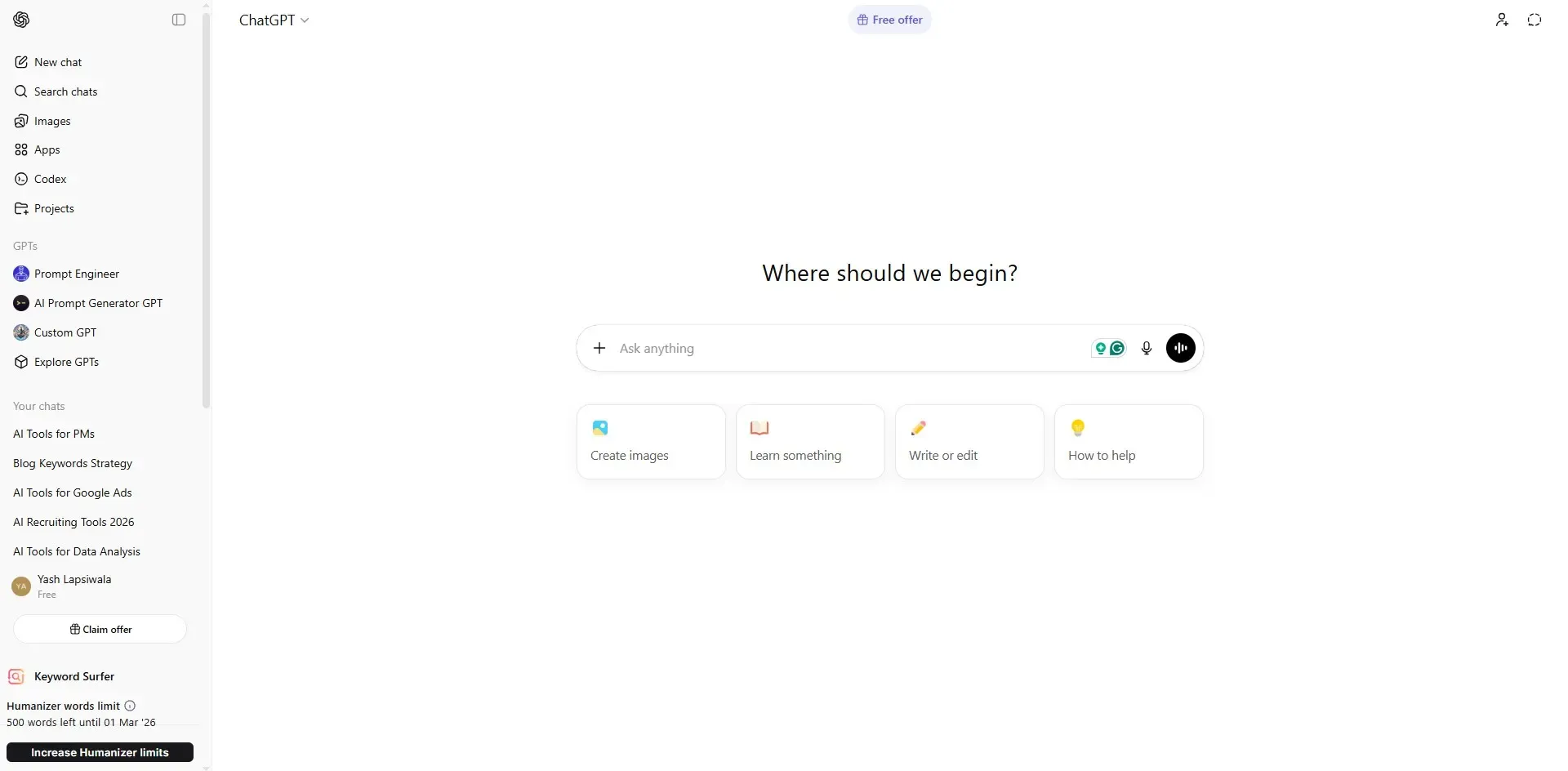
If you have not tried ChatGPT yet, you are missing out. It is probably the most flexible AI content generator available right now. I use it almost every day for brainstorming, drafting blog outlines, writing email templates, and even creating social media captions.
What I love most about ChatGPT is how you can talk to it like a human. The one thing to keep in mind is that ChatGPT does not automatically optimize for SEO. You will need to guide it with specific keyword instructions. But for the best AI tools for content writing, it is hard to beat.
Best for: Bloggers, beginners, marketers who want a versatile writing assistant.
2. Copy.ai – Best for Marketing Copy
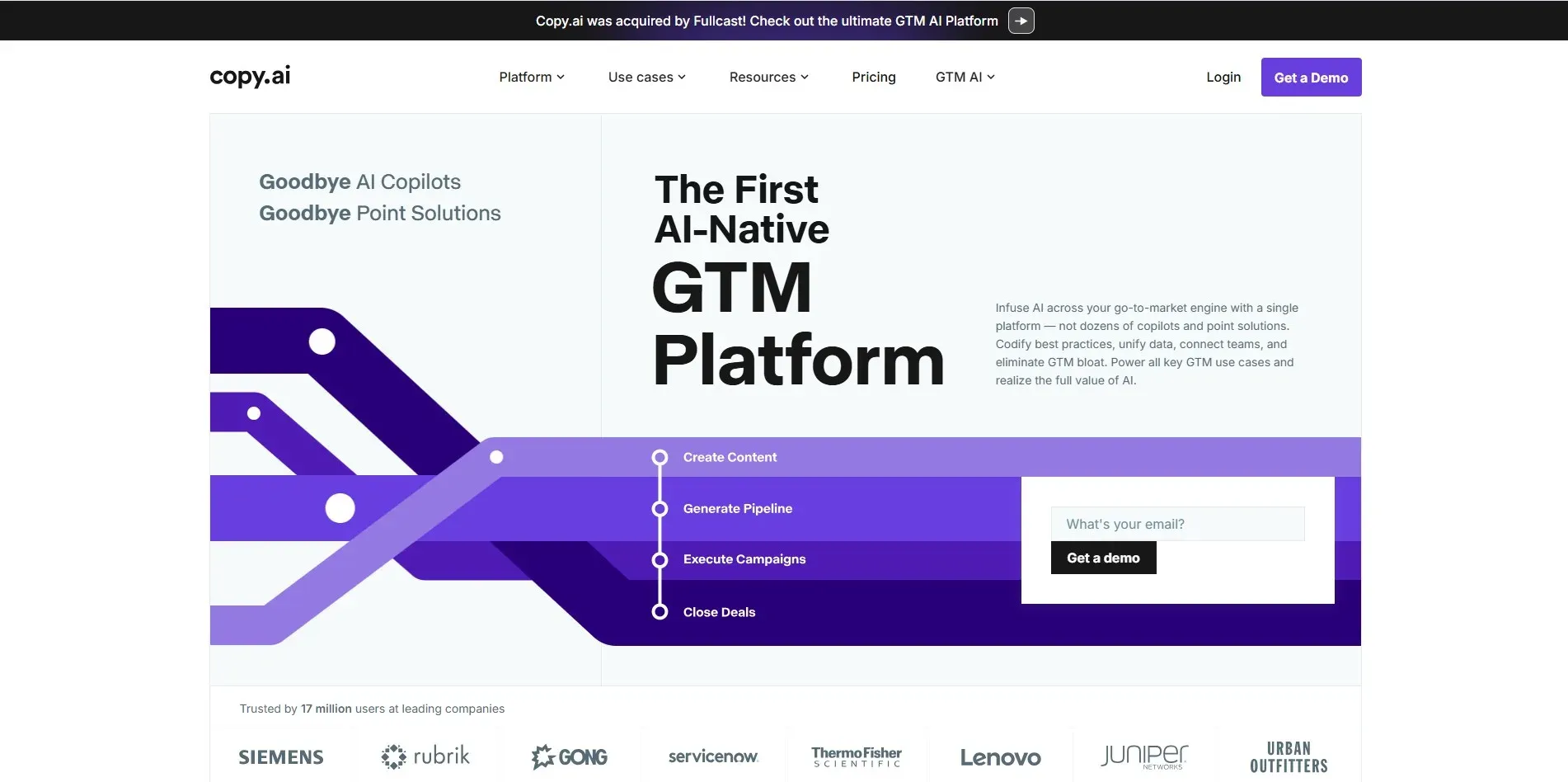
I have noticed that a lot of marketing teams absolutely love Copy.ai, and I totally get why. It comes loaded with over 90 templates for Facebook ads, email subject lines, product descriptions, landing page headlines, and more. You do not need to think about structure. Just fill in a few details, and it generates polished marketing copy in seconds.
It is beginner-friendly too. The interface is clean and simple. You do not need to be a tech expert to get great results.
Where it falls short is in deep SEO content. If you are trying to write a 2,000-word SEO blog post that ranks on Google, Copy.ai is not your best bet. But for AI tools for content writing focused on short-form marketing? It is excellent.
Best for: Social media
3. Writesonic – Best for Speed and Quality
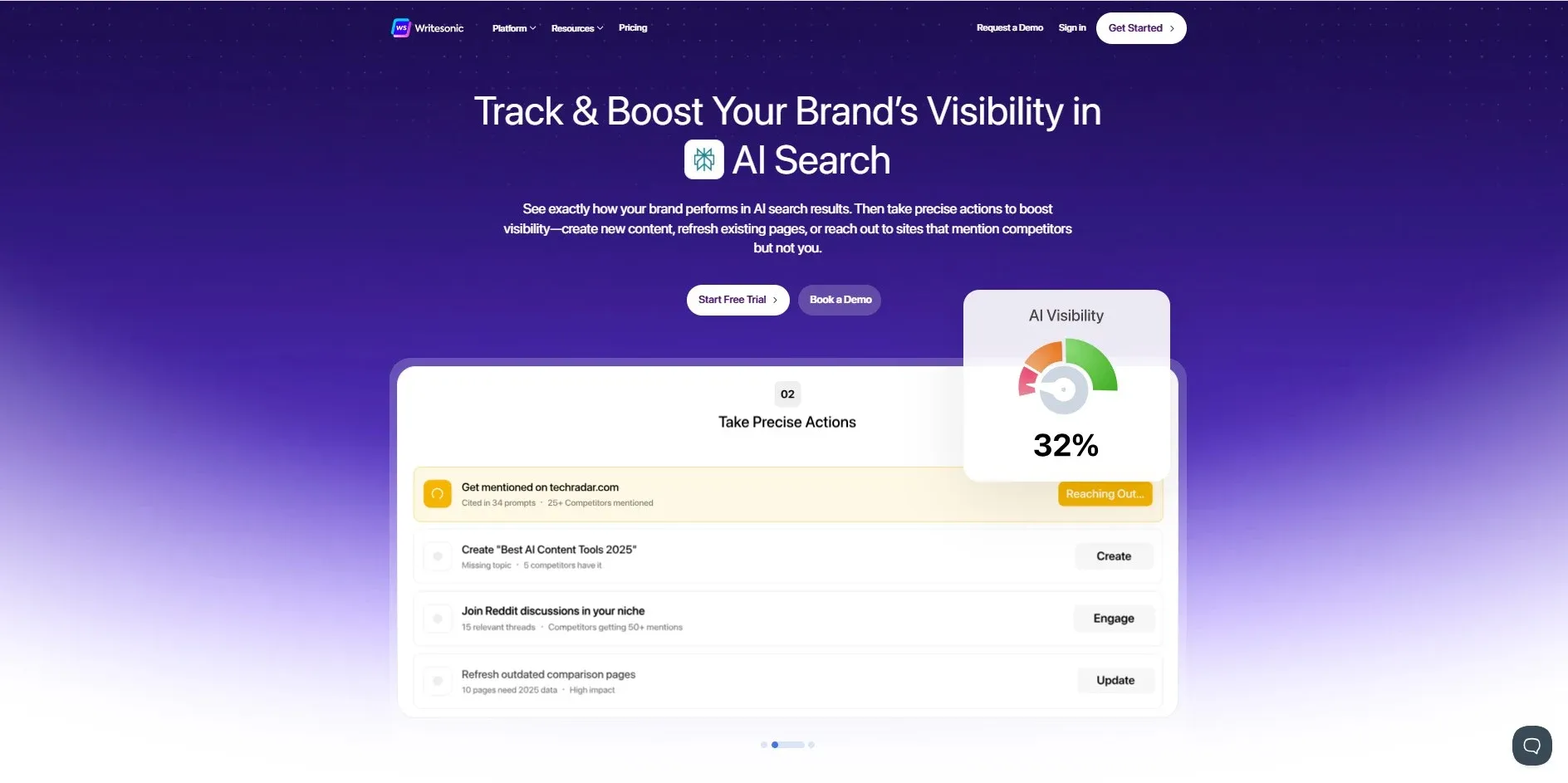
Writesonic is one of those tools I recommend to bloggers and affiliate marketers all the time. It has a one-click article writer that can produce a full blog post in minutes. And unlike some other tools, the output actually reads pretty naturally though I always recommend doing a quick edit pass.
It also supports different tones of writing, which is handy if you need something professional one day and casual the next. The SEO support is decent, too, making it a solid choice among the best AI writing tools for content marketers.
One thing to note: Writesonic uses a credit-based system. The more content you generate, the more credits you use. Higher plans unlock more features and credits.
Best for: Bloggers, agencies, and affiliate marketers wanting fast and readable content.
4. Rytr – Best for Budget-Friendly Writing
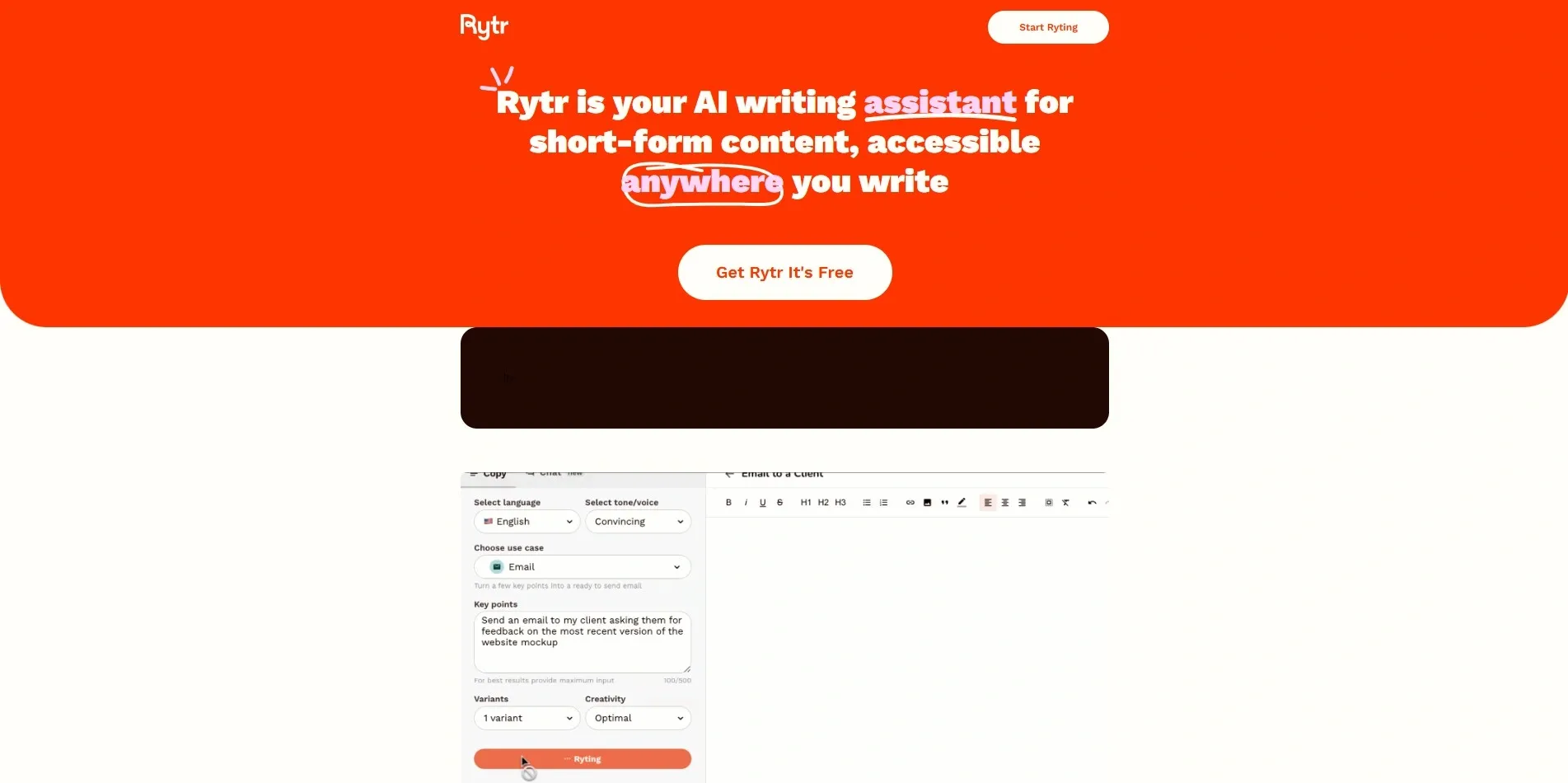
Not everyone has a big budget, and that is perfectly fine. Rytr is one of the most affordable options out there, and for what it offers, the value is genuinely great. It has over 40 use-case templates, multiple tone options, and a plagiarism checker on the premium plan.
In my experience, Rytr works best for short content captions, email drafts, short blog intros, and similar tasks. For longer, more detailed articles, it can feel a little basic. But if you are just starting and want to explore AI writing tools without spending a lot, Rytr is a smart place to begin.
Best for: Freelancers, startups, small businesses on a budget.
5. Surfer SEO – Best for SEO Content

This one is different from the others. Surfer SEO is not really a writing tool in the traditional sense it is more of an AI content generator focused entirely on helping your content rank on Google. It analyzes the top-ranking pages for any keyword and tells you exactly how to structure your article, what terms to include, and how long your content should be.
It does have a learning curve, especially if you are new to SEO. And the pricing is higher than most other tools. But if ranking content is your main goal, it is one of the best AI tools for content writing with an SEO focus.
Best for: SEO specialists, content agencies, and bloggers serious about Google rankings.
6. Grammarly – Best for Editing and Proofreading
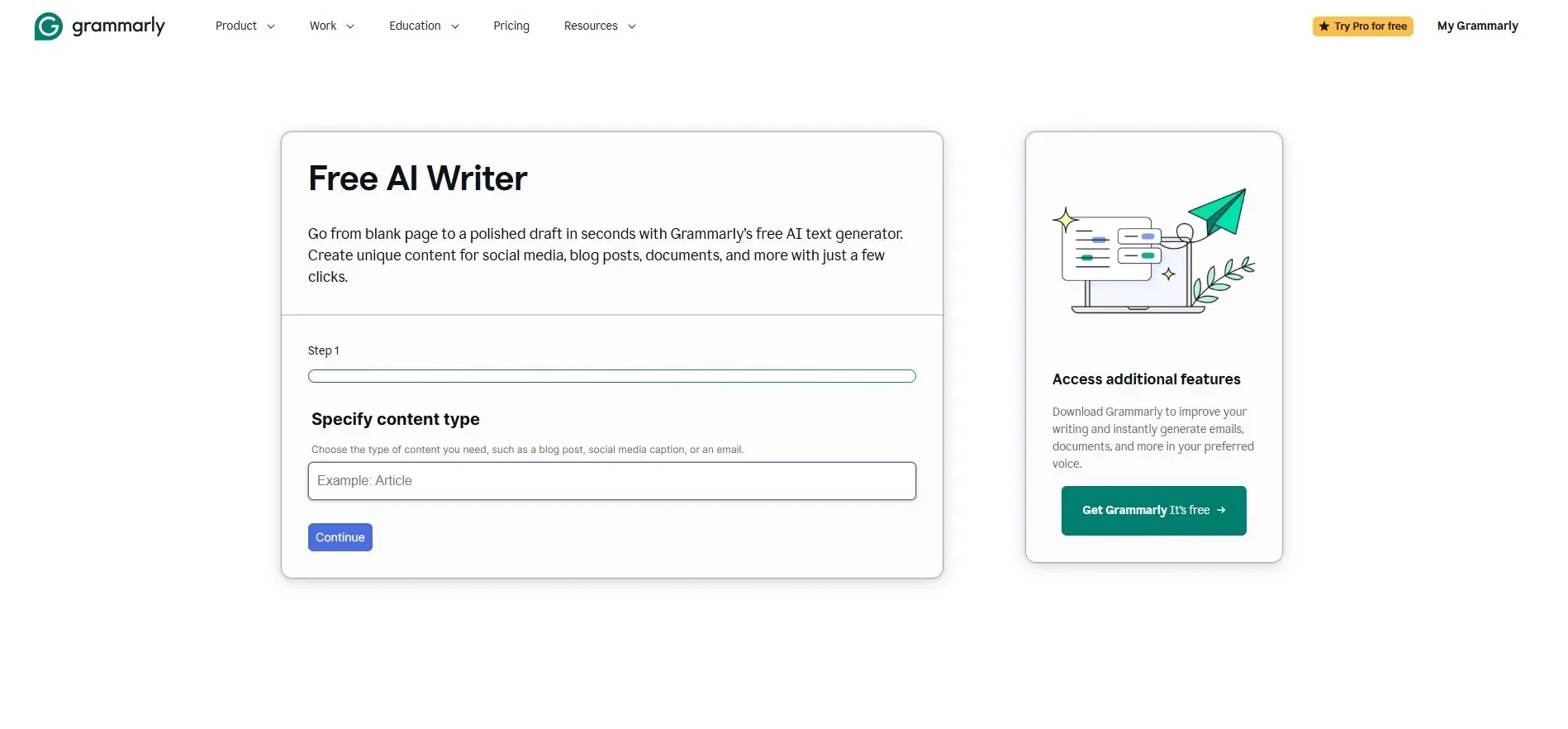
Grammarly is not a full content generator, but I would recommend it to every single writer, no matter what other tools they use. It checks your grammar, spelling, and punctuation in real time. It detects the tone of your writing. And with the premium plan, it can suggest full rewrites to make your sentences clearer and stronger.
What makes Grammarly great is how seamlessly it works. It integrates with your browser, Google Docs, Microsoft Word, and more. You barely notice it is there until it catches a mistake you would have missed.
Best for: Students, professionals, and content editors who want polished, clean writing.
How to Get Better Results from Any AI Writing Tool
Here is something I wish someone had told me when I started: the output of any AI content generator is only as good as the instructions you give it. If your prompt is vague, the content will be generic. If you give clear, detailed instructions including tone, audience, and purpose, the results are much better.
Also, always edit what the AI produces. I never publish AI-generated content without reading it myself first. AI can make factual mistakes, and sometimes the writing feels slightly off. A quick human review makes a huge difference.
For SEO, make sure you are using your target keywords naturally in the content. Do not let the AI stuff keywords awkwardly; guide it to weave them in smoothly, the way ai tools for content writing would be more reliable.
The Future of AI Writing Tools in 2026
The tools are getting smarter fast. We are already seeing AI that can write with more context-awareness, better factual accuracy, and tighter SEO integration. In 2026, expect AI writing tools to become even more deeply woven into everyday content workflows from first draft all the way to publishing.
But here is what I truly believe: human creativity is not going anywhere. The best content will always have a human perspective behind it. AI is the accelerator. You are still the driver.
Conclusion
Whether you are just getting started or you have been creating content for years, there is an AI writing tool out there that can genuinely make your life easier. The key is matching the right tool to your specific needs.
If you want versatility, start with ChatGPT. If SEO rankings are your goal, look at Surfer SEO. If you need marketing copy fast, try Copy.ai. And whatever tool you use, pair it with Grammarly to keep your writing clean and professional.
Try a couple of the best AI writing tools mentioned here most have free plans and see which one clicks for you. You might be surprised how much faster and more confidently you start writing.
If you want expert guidance on using AI the right way for your business, brand, or personal growth, RejoiceHub is here to support you. We help businesses and creators adopt AI smartly and stay ahead in this fast-changing digital world.
Frequently Asked Questions
1. What is the best AI writing tool in 2026?
The best AI writing tool in 2026 depends on your needs. ChatGPT is the most versatile all-rounder, Surfer SEO is best for ranking blog posts, and Copy.ai is ideal for marketing copy. There is no one-size-fits-all tool — choose based on your workflow and goals.
2. Are AI writing tools worth it for bloggers?
Yes, AI writing tools are worth it for bloggers. They help generate ideas, create outlines, speed up drafting, and improve productivity. However, human editing is still necessary to ensure originality, accuracy, and strong storytelling.
3. Can AI writing tools replace human writers?
No, AI writing tools cannot fully replace human writers. They assist with drafting and idea generation, but human creativity, experience, and emotional intelligence are still essential for high-quality content.
4. Which AI writing tool is best for SEO content?
Surfer SEO is one of the best AI tools for SEO content because it provides real-time SEO scoring, keyword suggestions, and competitor analysis. It helps structure articles based on top-ranking pages.
5. Is ChatGPT good for blogging?
Yes, ChatGPT is excellent for blogging. It helps with brainstorming topics, writing outlines, drafting articles, and improving content. However, you must manually guide it with SEO keywords for better rankings.
6. What is the most affordable AI writing tool?
Rytr is one of the most affordable AI writing tools available. It offers multiple templates and tone options at a low monthly cost, making it ideal for freelancers and small businesses.
7. Are there free AI writing tools available?
Yes, many AI writing tools offer free plans, including ChatGPT, Copy.ai, and Grammarly. Free versions usually have usage limits, but they are great for beginners testing AI content tools.
8. How do AI writing tools work?
AI writing tools use large language models (LLMs) trained on massive datasets of text. They analyze your prompt and generate human-like responses based on patterns learned during training.
9. Is AI-generated content good for SEO?
AI-generated content can rank well on Google if it is high-quality, optimized with relevant keywords, and properly edited. Search engines prioritize helpful, original content not whether it was written by AI.
10. What is the difference between ChatGPT and Copy.ai?
ChatGPT is a flexible AI assistant that can handle many types of content, including blogs and scripts. Copy.ai focuses mainly on marketing templates like ads, email subject lines, and social media captions.
11. Should I edit AI-generated content before publishing?
Yes, you should always edit AI-generated content. AI may include factual errors, repetitive phrases, or awkward sentences. Human review ensures accuracy, clarity, and brand consistency.
12. Which AI tool is best for marketing copy?
Copy.ai is one of the best AI tools for marketing copy because it includes pre-built templates for ads, emails, landing pages, and product descriptions.
13. What is the future of AI writing tools?
In 2026 and beyond, AI writing tools are expected to become more context-aware, more accurate, and better integrated with SEO platforms. However, human creativity will remain essential for high-impact content.