The coming trending AI tools have also evolved in digital marketing that made several levels of achievements, which is also essential in AI tools for seo, who wants to create content and perform SEO traffic.
Marketers currently use AI technology in 60 percent of their workflows, which marks an 18 percent increase since 2023. The SEO market currently contains too many AI solutions because their number has reached overwhelming levels. Best AI tools for seo appear every two days, which claim to provide the best search engine optimization solution.
The existing tools that I found present a major problem because they make big promises but fail to meet those expectations.
What Makes a Great AI SEO Tool in 2026?
The testing process, which I used to evaluate these tools, began with specific testing criteria that I specified for my testing process. The best AI tools for seo optimization do not produce successful results through automatic selection. The tools that bring results to my work demonstrate certain features, which I will explain further.
The first requirement states that they should provide support for both content writing and all other aspects of SEO. Today, people have the ability to produce 1,000-word articles, but their articles still lack the capacity to achieve high search engine rankings.
Google has developed advanced capabilities that prevent those methods from functioning effectively. The fourth requirement states that AI visibility tracking should become mandatory for use in 2026.
The 10 Best AI SEO Tools for 2026
The process of selecting the best ai seo tools requires evaluation of their effectiveness rather than evaluation of their cost or their advanced features. The process of discovering proper solutions demands testing to determine what works best for your particular requirements.
1. Semrush AI – Content Creation & Full SEO Suite
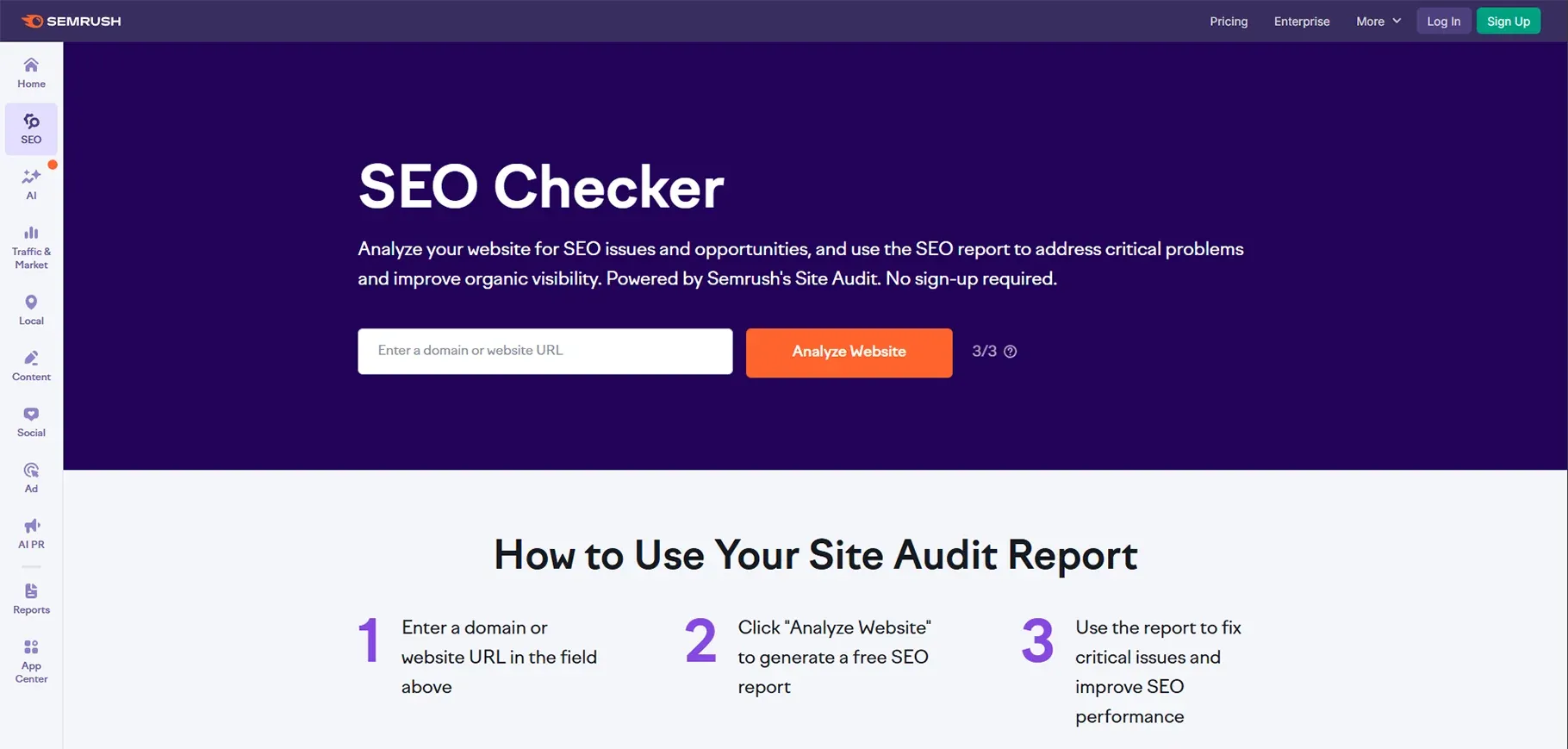
I will begin my analysis with Semrush because it has been my primary choice for multiple years. The platform operates as an industry-leading system that undergoes continuous development. I appreciate the current version of the system because it now offers AI capabilities while maintaining its traditional dependable performance.
The ContentShake AI feature genuinely impressed me. The system produced an entire article about sustainable gardening within minutes, which I could use as a draft that included all essential research points. It saved me about 70% of my writing time, no magnification.
Best for: Companies that need extensive AI tools for seo optimization for their SEO strategies should find a suitable SEO platform.
Pricing: Having such a complete suite of SEO tools that cost $129 per month is probably not a bad deal.
Pros: Regular updates, a reliable platform, and full Semrush integration with existing data.
Cons: The system generates content with restricted options for users to control tone and structure. The AI voice sounds mechanical at times because users must include their own voice to make it sound natural.
2. SurferSEO – Content Optimization Powerhouse
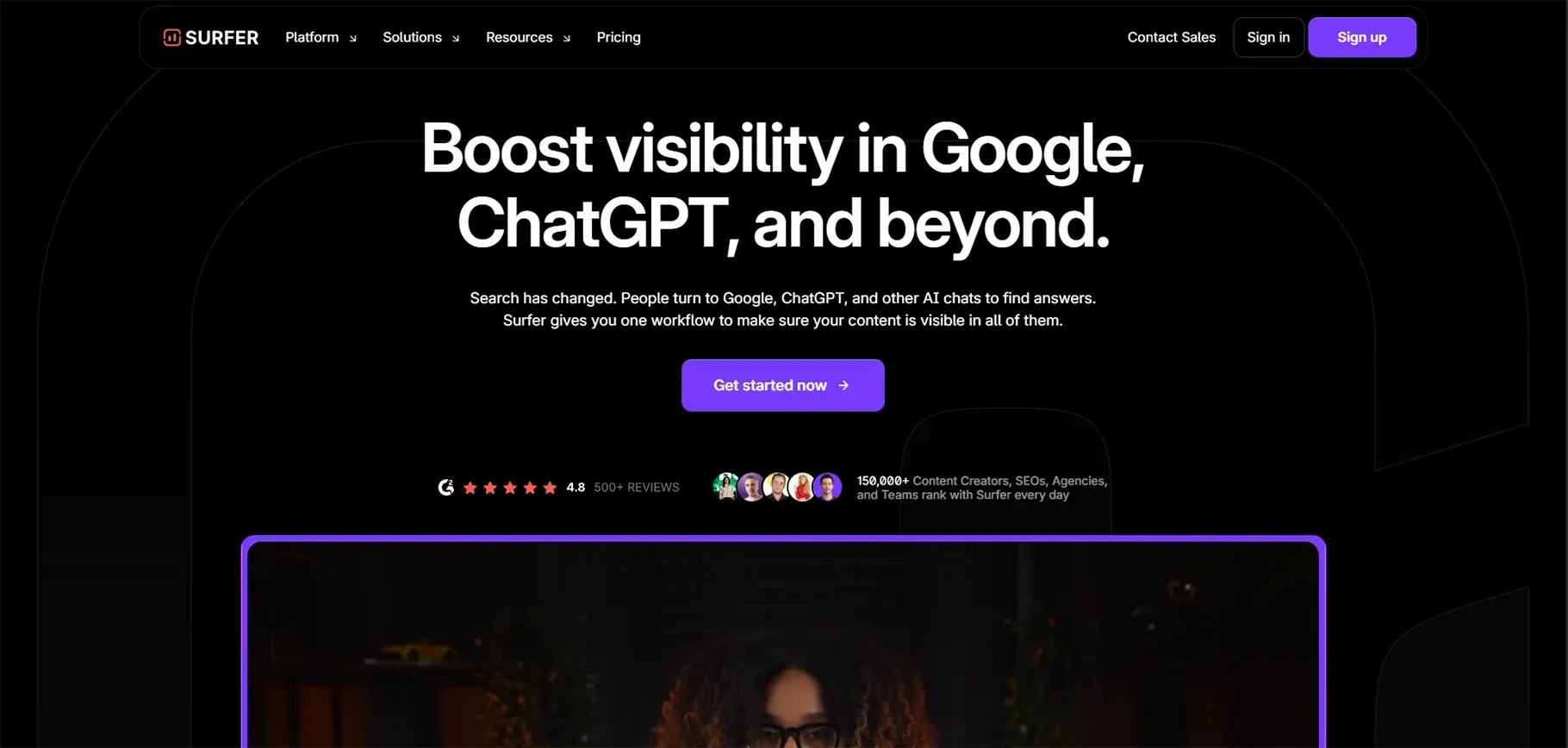
The SEO platform SurferSEO should become a necessary tool for your business when you want to achieve higher search engine rankings. This tool stands out as the top best seo ai tools for content optimization according to our evaluation.
The Surfer AI writer produced an article that met all content requirements within a few minutes of my testing. The AI Outline generator provides excellent service because it helps you determine which sections to include in your work.
Best for: The content departments are hydrated after the realization of rank optimization and SERP analysis.
Pricing: From $99 per month.
Pros: The platform provides users with real-time search engine results page data, together with its robust integrations that include a Chrome extension designed for Google Docs.
Cons: You may want to use the pieces of advice given here with discretion if you do not want to end up with over-valuation.
3. SE Ranking + SE Visible – AI Visibility Tracking
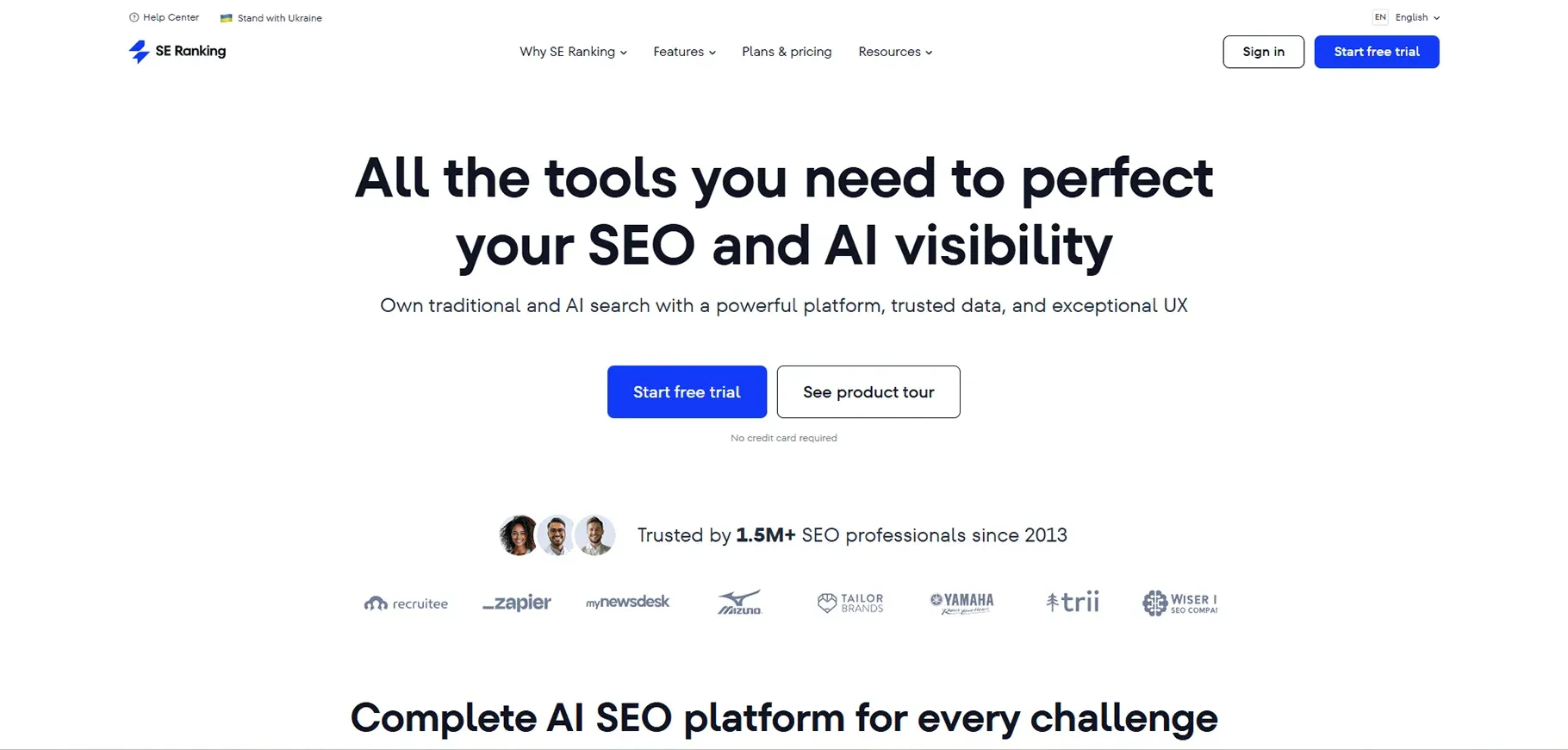
The year 2026 will bring exciting developments to this location. Most people continue to prioritize standard Google ranking systems, yet I need to inform you that AI search technology is currently experiencing rapid advancement.
SE Visible enables users to monitor their content display across ChatGPT Perplexity, Google Gemini, and AI Overviews platforms.
The combination of this system and SE Ranking's complete SEO toolkit creates an all-inclusive solution that supports contemporary search marketing methods.
Best for: Agencies and enterprises that want to monitor their AI presence while using standard SEO methods
Pricing: SE Visible starts at $189/month; SE Ranking from $95/month. The system provides actual AI output, which users can track while they analyze AI emotional responses.
Pros: Tracks AI search visibility, shows brand mentions in AI answers, integrates with traditional SEO tools, and offers strong reporting features.
Cons: The system only allows users to track data because it lacks any optimization functions. The system requires you to obtain additional software for your material development needs.
4. Clearscope – Smart Content Optimization
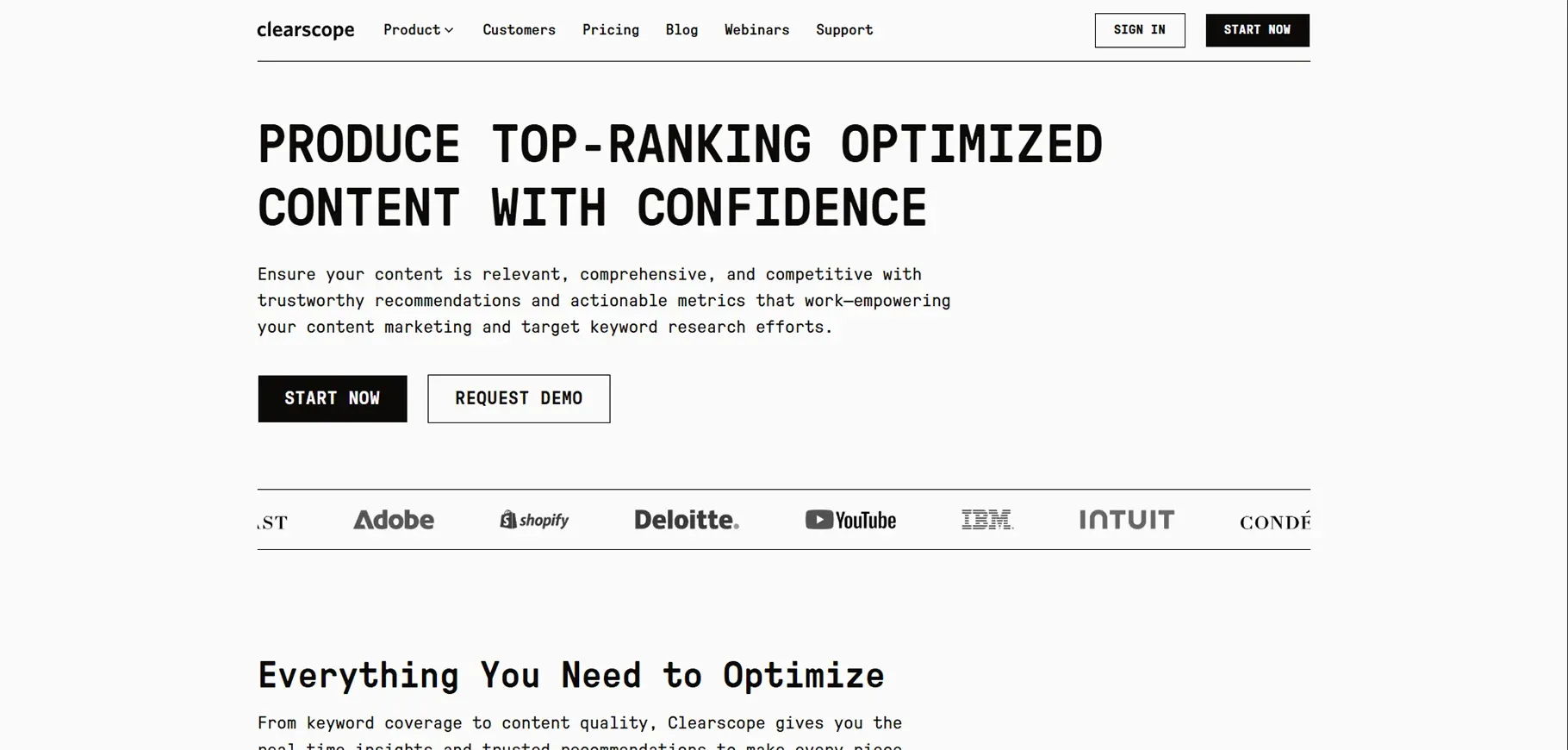
Clearscope serves as the ideal tool for writers who seek assistance with their work because it allows them to write authentically. The tool ranks among the best seo ai tools because it helps writers create high-quality content instead of producing multiple low-value pieces.
The platform provides users with suggestions through a system that maintains a natural flow while operating in the background.
The Google Docs integration with live scoring is brilliant. The system tracks your content score progress through the content creation process. The system functions as an SEO coach who provides guidance throughout your writing process.
Best for: Writers who need optimization advice but require the ability to work manually.
Pricing: The service starts at $189 per month, which places it in the category of high-end products.
Pros: The system identifies different word meanings while its non-intrusive system helps websites achieve better search results.
Cons: The system charges high costs for its services, while its keyword research functions are restricted when compared to complete research systems.
5. Keyword Insights – Content Strategy at Scale
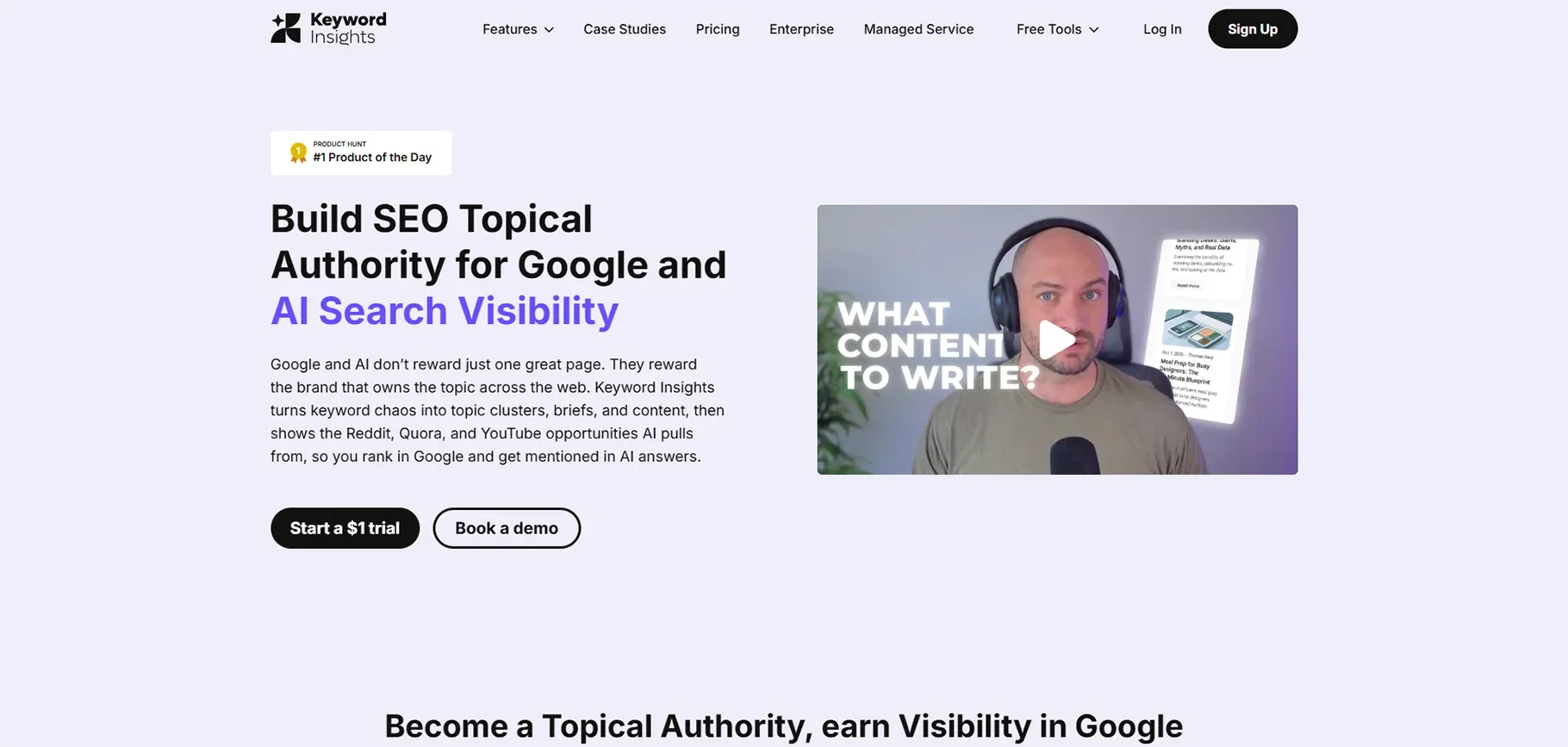
Building a content strategy becomes difficult when you need to control a big website. The AI-based SEO tool Keyword Insights provides users with effective strategic planning capabilities.
The system uses automatic keyword clustering to arrange keywords according to their search engine results page (SERP) similarities while segmenting them into different search intent categories. What does that mean in simple terms?
Best for: Organizations that need to create extensive content plans require them to oversee multiple website sections.
Pricing: The current pricing information is available on their official website.
Pros: The system provides precise clustering results that benefit e-commerce websites while saving users significant time during strategic development.
Cons: The system experiences performance issues when handling extremely large datasets, and it supports only a few content management systems.
Also Read: Top AI Tools for Developers in 2026: A Complete Guide
6. Ahrefs AI – Data Powerhouse with AI Tools
Ahrefs has always been known for its incredible backlink data and competitor analysis. The company's current move into AI technology shows its outstanding capabilities in this field. The AI Content Helper is my favorite feature.
The system optimizes content creation by using intent-based methods, which differ from standard AI writing systems. The system creates content, but it also shows you what users expect to find when they search using a particular term.
The system provides an AI Chat function, which evaluates your current material and provides assessment results. The system functions as an SEO expert who evaluates your work and identifies the missing elements.
Best for: Teams already using Ahrefs who want integrated best AI tools for seo optimization.
Pricing: From $129/month (AI features included in subscription).
Pros: The platform offers users deep search engine results page data, together with valuable information about their competitors and their reputation as a reliable service that provides advanced artificial intelligence capabilities.
Cons: The platform lacks a free trial, which creates user dissatisfaction because its artificial intelligence tools concentrate primarily on content creation instead of supporting technical SEO activities.
7. Writesonic – All-in-One Content Platform
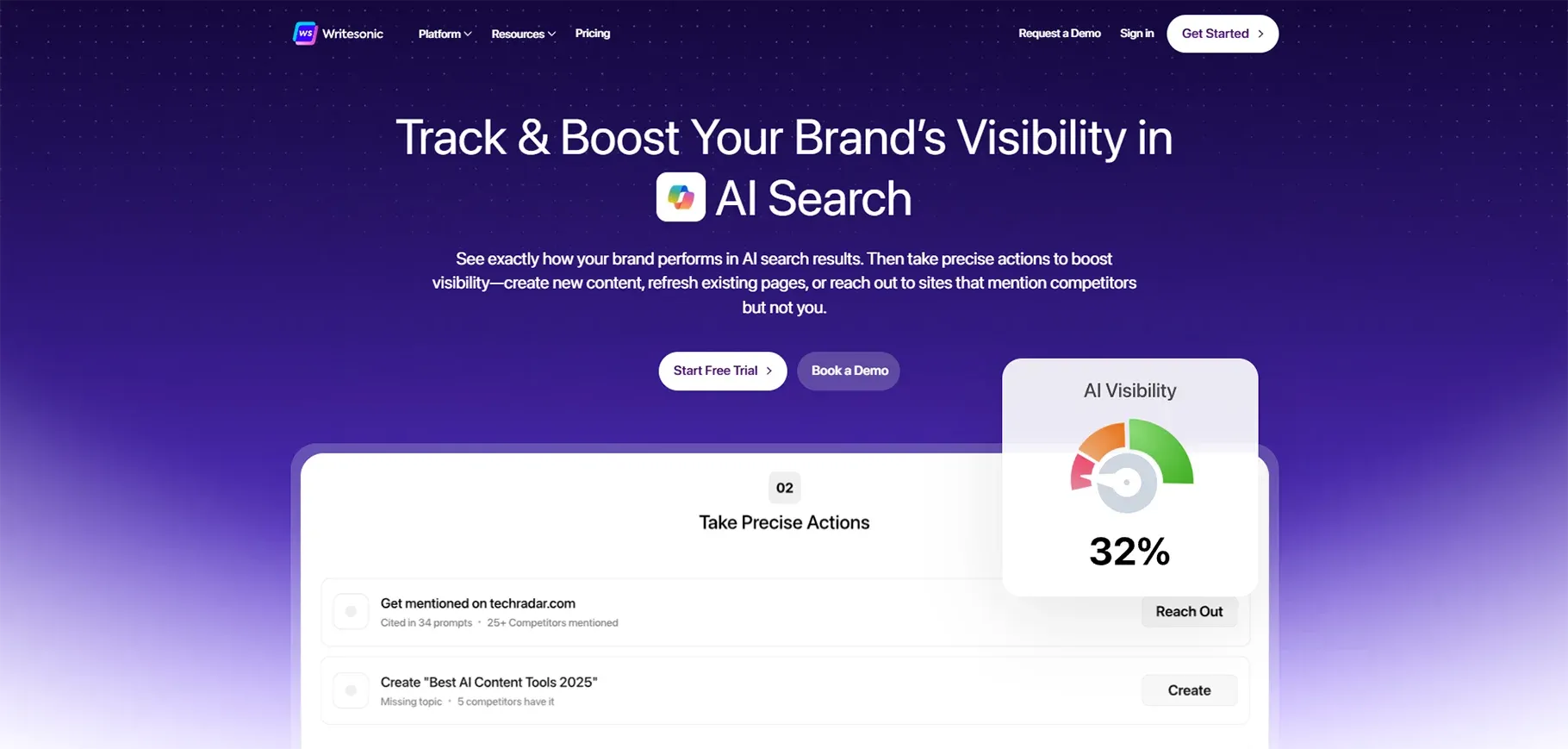
The ai-driven seo tool Writesonic provides the most complete solution of all SEO tools on this list. The Chatsonic agent pulls real-time SEO data, which means you're not working with outdated information.
The 10-step AI article writer produces excellent results, but I found that the system required extensive corrections to achieve proper output. The content requires your personal touch because it uses a standard writing style that needs different elements.
Best for: High-volume content teams that require fast and flexible solutions which can grow with their needs.
Pricing: Starting at $16 per month, this service offers exceptional value with its pricing structure.
Pros: The system provides multi-model AI and real-time data integration, which makes it very affordable while delivering complete system functionality.
Cons: The product requires extensive changes because its main output needs major alterations to become usable. The output requires extensive changes because the system produces standard results until users add their own personal touch.
8. RivalFlow AI – Content Gap Analysis
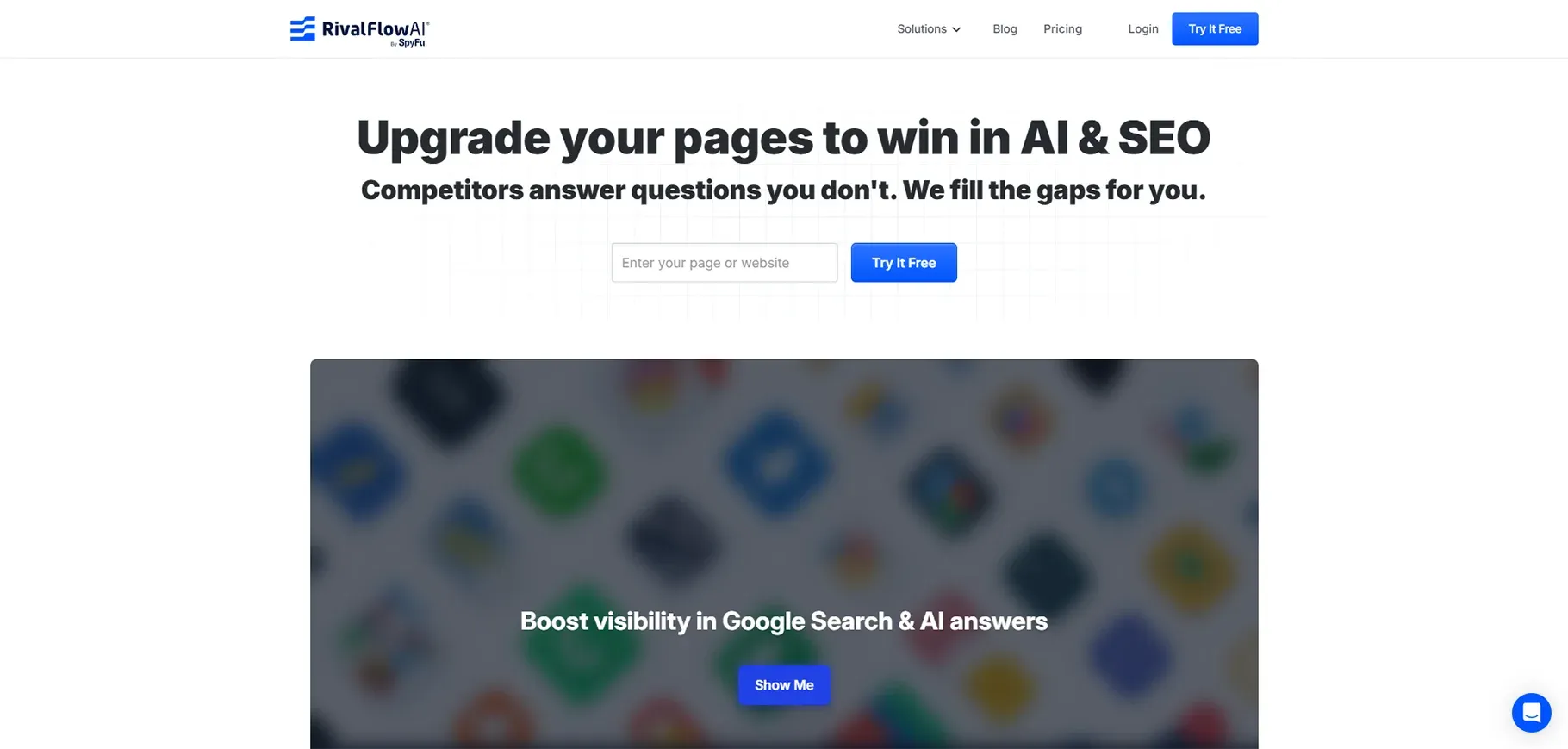
RivalFlow AI performs its main function when it detects which content your competitors have published that you have not yet created. The solution provides immediate results when you need to create new content for your existing material.
I tested the system on a blog post, which had been unsuccessful because it remained on the second page of search results. RivalFlow showed me exactly which H2 sections and subtopics I was missing. The post advanced to position 5 after I added that information, which took two weeks.
Best for: The solution helps users achieve rapid results, which helps them restore performance to their underperforming websites.
Pricing: Visit their official website to view their current pricing information.
Pros: The system provides simple setup procedures while it automatically tracks outcomes and delivers practical enhancements.
Cons: The system does not provide keyword or backlink information, and it can only perform gap analysis.
9. ChatGPT – Versatile AI Assistant
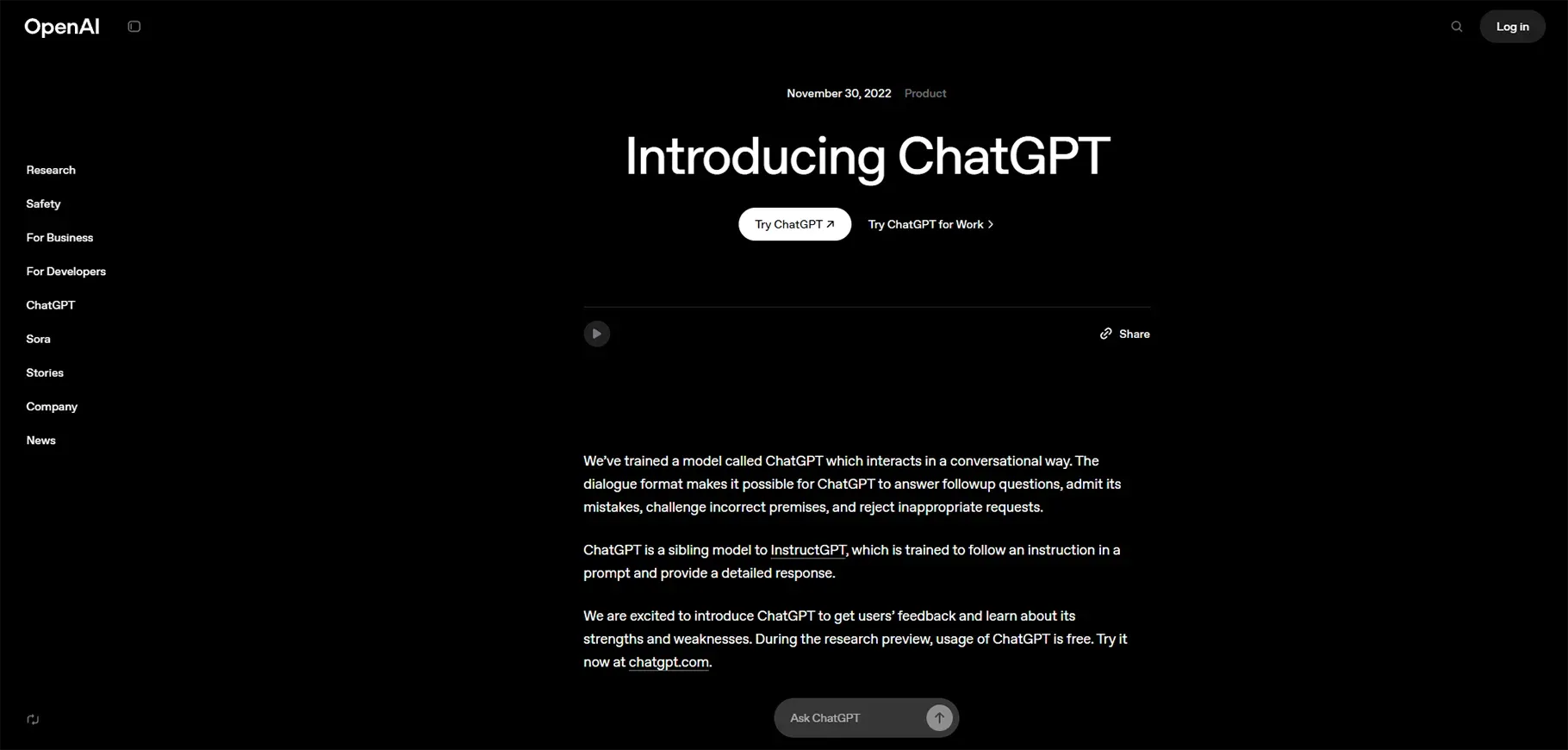
Your list contains unexpected elements because people did not anticipate they would find AI tools for seo. The tool serves me better for my SEO work because it functions as my primary AI assistant for SEO activities.
I use ChatGPT for content drafting and rewriting, idea generation, email outreach, and multilingual content creation. The key is using specific prompts because generic requests produce generic results.
Editing tasks suit ChatGPT better than content creation. Provide your draft to the program and request that it enhance particular parts. The system will not produce an ideal SEO article because it needs search engine results page information to function properly.
Best for: General SEO support tasks and content refinement.
Pricing: The Pro version costs between free access and $200 per month.
Pros: The system provides multiple uses for all users who can access it, while developers keep adding new features that remain budget-friendly.
Cons: The system lacks SERP data. The system needs advanced user instructions. The system produces standard output until users provide particular instructions.
10. Whatagraph – AI-Powered SEO Reporting
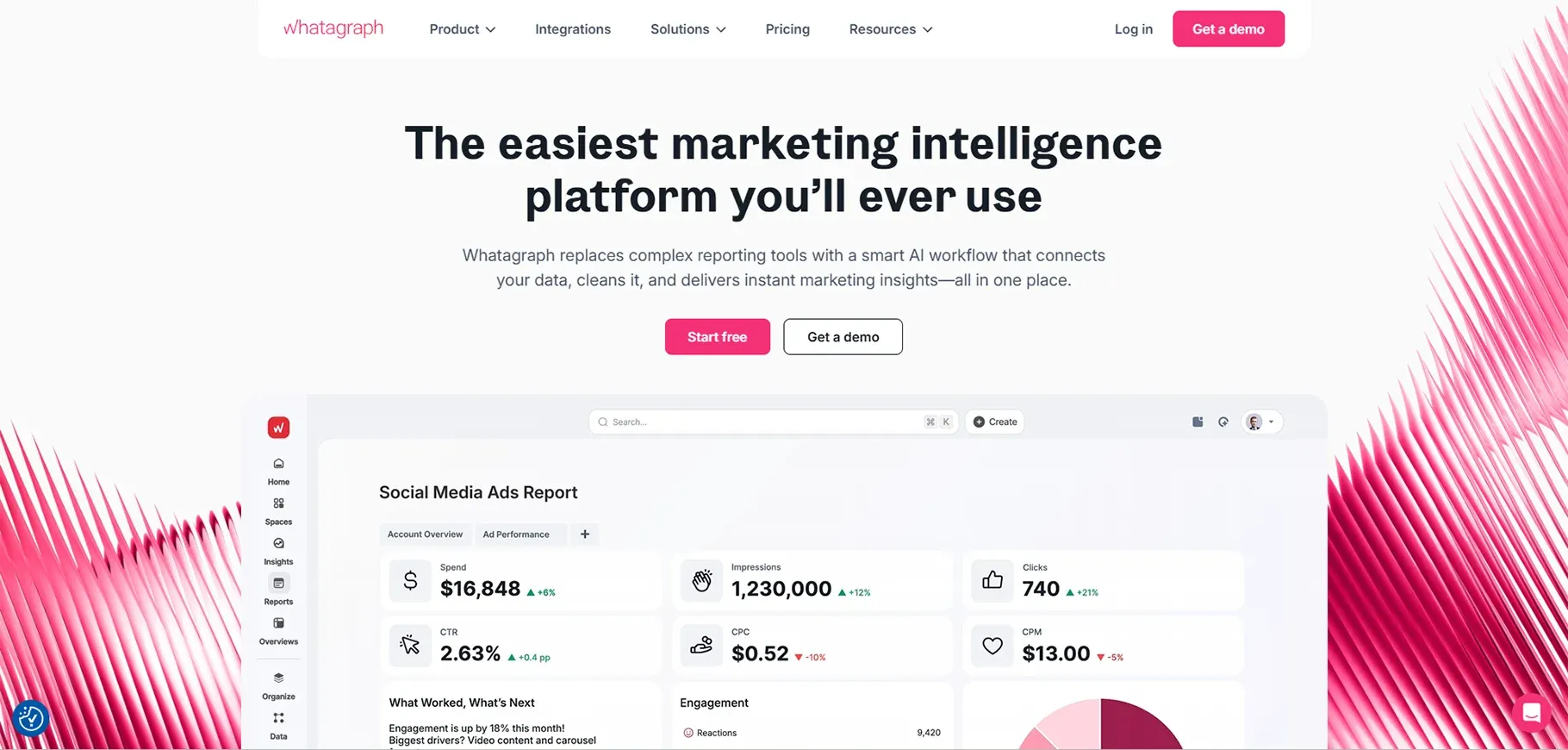
Whatagraph is an absolute game-changer for agencies managing multiple clients. It has cut my time spent creating SEO reports from hours to minutes.
The IQ feature of Whatagraph generates instant delivery of visually appealing reports, and its AI Summary Writer describes the data to clients in plain English. A number of my clients have told me they finally understand how SEO impacts their businesses.
Best for: Agencies provide reports to clients and manage various campaigns.
Price: A monthly fee of $229.
Pros: More than 100 hours saved monthly, great-looking reports, and integration with multiple platforms.
Cons: Whatagraph focuses on reporting, whereas you'll still need to utilize other tools to perform SEO activities.
How to Choose the Right AI SEO Tool
Your problem requires you to choose which tool to use as your solution. The market now offers multiple effective best AI tools for seo which makes it difficult to select the best one.
Your main requirement needs definition at the start. Do you want to create content? The three tools, Writesonic, Semrush, and Scalenu,t provide exceptional performance for this purpose.
Content optimization needs content optimization, but you should use SurferSEO, Clearscope, and Ahrefs. The tool SE Visible enables you to monitor artificial intelligence visibility. The tool Keyword Insights helps you develop content strategies for large-scale execution.
The Future of AI in SEO
The upcoming period will bring significant transformations. AI-generated answers from ChatGPT, Perplexity, and Google are becoming the new battleground for visibility. AI will determine which content remains visible, although traditional rankings continue to hold value in our current system.
Investing in top AI tools for best ai tools for seo optimization now will deliver future benefits.
The focus is shifting from keyword density to topical authority. Google wants to see that you genuinely understand a subject, not that you've stuffed a keyword 50 times.
Conclusion
The upcoming period will bring significant transformations. AI-generated answers from ChatGPT, Perplexity, and Google are becoming the new battleground for visibility. The best seo ai tools will determine which content remains visible, although traditional rankings continue to hold value in our current system.
Investing in top AI tools for search engine optimization now will deliver future benefits.The focus is shifting from keyword density to topical authority. But SEO is just one part of the bigger AI revolution. Businesses that truly want to grow in 2026 need automation across marketing, sales, support, and operations. RejoiceHub helps businesses implement powerful AI automation solutions that streamline processes, reduce costs, and accelerate growth.
Frequently Asked Questions
1. What are AI SEO tools, and how do they work in 2026?
AI SEO tools use machine learning and real-time SERP data to automate keyword research, content optimization, AI visibility tracking, and performance reporting. In 2026, they also monitor how content appears in AI-generated search results from platforms like Google AI Overviews, ChatGPT, and Perplexity.
2. Which is the best AI SEO tool for beginners?
Writesonic and ChatGPT are the best AI SEO tools for beginners because they offer affordable pricing, easy interfaces, and guided content generation features without requiring advanced SEO knowledge.
3. What is the best AI SEO tool for ranking content on Google?
SurferSEO and Clearscope are the best AI SEO tools for ranking on Google, as they use real SERP data to provide NLP keyword optimization, content structure guidance, and semantic relevance scoring.
4. Which AI SEO tool tracks visibility in ChatGPT and AI search results?
SE Ranking with SE Visible is the best AI SEO tool for tracking visibility in ChatGPT, Google AI Overviews, Perplexity, and Gemini by monitoring how your content appears in real AI-generated answers.
5. Are AI SEO tools safe to use for Google rankings?
Yes, AI SEO tools are safe when used responsibly. Google rewards high-quality, helpful content, not whether it is written by AI or humans. Human editing and fact-checking are essential to maintain accuracy and originality.
6. What is the best AI SEO tool for content strategy and keyword clustering?
Keyword Insights is the best AI SEO tool for content strategy because it clusters keywords based on SERP similarity and search intent, helping prevent keyword cannibalization and improve topical authority.
7. Can AI SEO tools fully replace human SEO experts?
No, AI SEO tools cannot fully replace human SEO experts. They automate research, optimization, and reporting, but strategic planning, creativity, and brand voice still require human expertise.
8. What is the most affordable AI SEO tool in 2026?
Writesonic is one of the most affordable AI SEO tools in 2026, with plans starting around $16 per month while still offering content generation, SEO optimization, and AI visibility tracking features.
9. Which AI SEO tool is best for agencies and client reporting?
Whatagraph is the best AI SEO tool for agencies because it automates multi-client SEO reporting, creates AI-generated summaries, and integrates data from Google Analytics, Search Console, and SEO platforms.
10. How do AI SEO tools improve content quality?
AI SEO tools improve content quality by analyzing top-ranking pages, suggesting semantic keywords, optimizing content structure, and ensuring search intent alignment, which helps increase relevance and readability.
11. What features should I look for in an AI SEO tool for the future?
The most important features include AI visibility tracking, real SERP-based optimization, keyword clustering, automated reporting, multi-platform integrations, and support for AI-powered search engines.