
I have been working in SEO for many years, and one thing is still true today keyword research is the base of all online success. Even in 2026, with so many advanced AI tools available, you cannot ignore keyword research if you want your content to rank on Google.
What has changed is how we do keyword research. Earlier, we only typed words into tools and checked numbers. Now, AI keyword research tools are much smarter. They understand what people really want to search for, predict future trends, and group related keywords together. It feels like having a smart assistant that works all the time.
In this guide, I'll show you the best AI tools for keyword research available today. I'll explain what makes each tool useful, how to choose the right one for your needs, and how to use AI for keyword research in a way that actually brings results.
What is AI Keyword Research?
Let me explain this in simple terms. Traditional keyword research was all about finding words people search for and checking their search volume. You'd type a word into a tool, get a list of related terms, and manually decide which ones to target.
AI keyword research is different. These modern AI tools for seo keyword research don't just give you a list; they understand the meaning behind searches. They can group similar keywords, predict which topics are trending, and even tell you what searchers actually want when they type something into Google.
Here's what AI brings to the table:
Grouped related keywords means the tool groups related keywords by topic, not just by exact words. So instead of getting 100 random keywords, you get organized themes you can build content around.
Intent scoring helps you understand whether someone searching for a keyword wants to buy something, learn something, or just browse. This is crucial because Google cares a lot about matching content to intent.
Trend prediction uses machine learning to spot rising topics before they explode. I've personally used this to create content that ranked within days because I caught a trend early.
Now, you might have heard about using ChatGPT or Gemini for keyword research. Those are great for brainstorming ideas, but they're not the same as purpose-built AI keyword research tool platforms. LLMs like ChatGPT can suggest creative angles, but they don't have access to actual search data. That's why the best approach combines both.
How We Evaluated These Tools
Before I share my top picks, let me explain how I tested these tools. I didn't just sign up and click around for five minutes. I actually used each one for real projects to see which ones delivered genuine value.
Accuracy was my priority. Does the tool give you reliable search volume numbers? Can you trust the keyword difficulty scores? I compared results across multiple tools and checked them against real ranking data.
AI capabilities matter a lot. Some tools just slap an 'AI' label on basic features. I looked for genuine semantic insights, smart clustering, and predictive features that actually work.
Workflow efficiency is something people overlook. If a tool takes forever to generate results or has a confusing interface, you'll waste hours. I timed how long common tasks took in each platform.
Integrations and features like SERP analysis, competitor research, and export options can make or break your productivity. The best tools connect everything you need in one place.
Cost versus value was my final test. Some expensive tools aren't worth it. Some cheap ones punch above their weight. I'll tell you which is which.
Top AI Keyword Research Tools in 2026
1. Semrush AI – The All-in-One Powerhouse
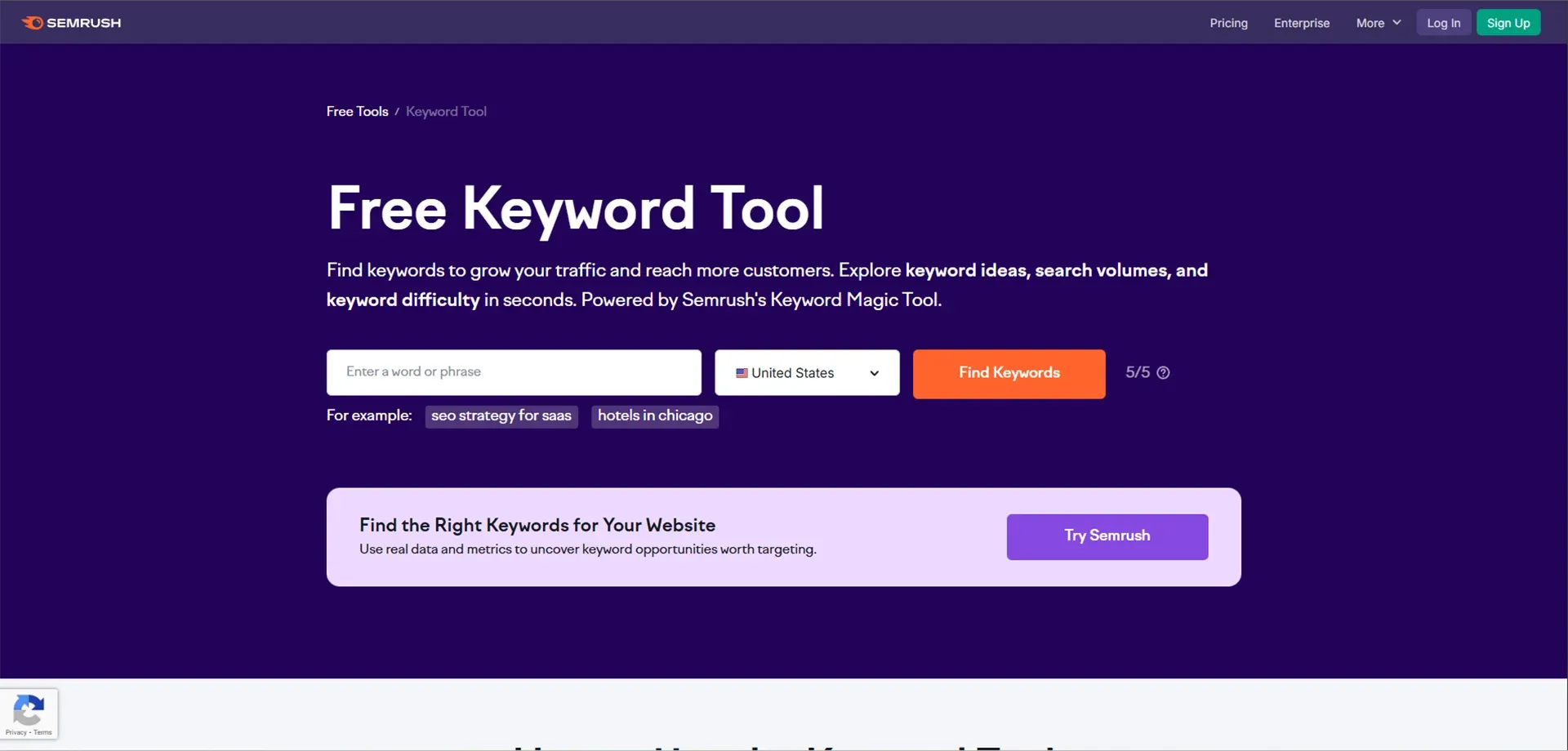
I use Semrush almost every day, and it's one of the best tools if you want everything in one place. It's not just an AI keyword research tool; it's a complete SEO platform.
What I like most is how Semrush automatically shows keyword intent. It clearly tells you whether a keyword is informational, commercial, or transactional, so you don't have to guess. Its AI keyword suggestions are also very helpful. They don't just show similar keywords, but also questions people ask, related topics, and keyword opportunities your competitors may have missed.
Semrush is especially powerful for competitor analysis. You can enter any website and see which keywords they rank for, which pages perform best, and where they are weak. I've created full content plans just by studying competitors using Semrush.
2. Ahrefs AI – Best for Competitor Research
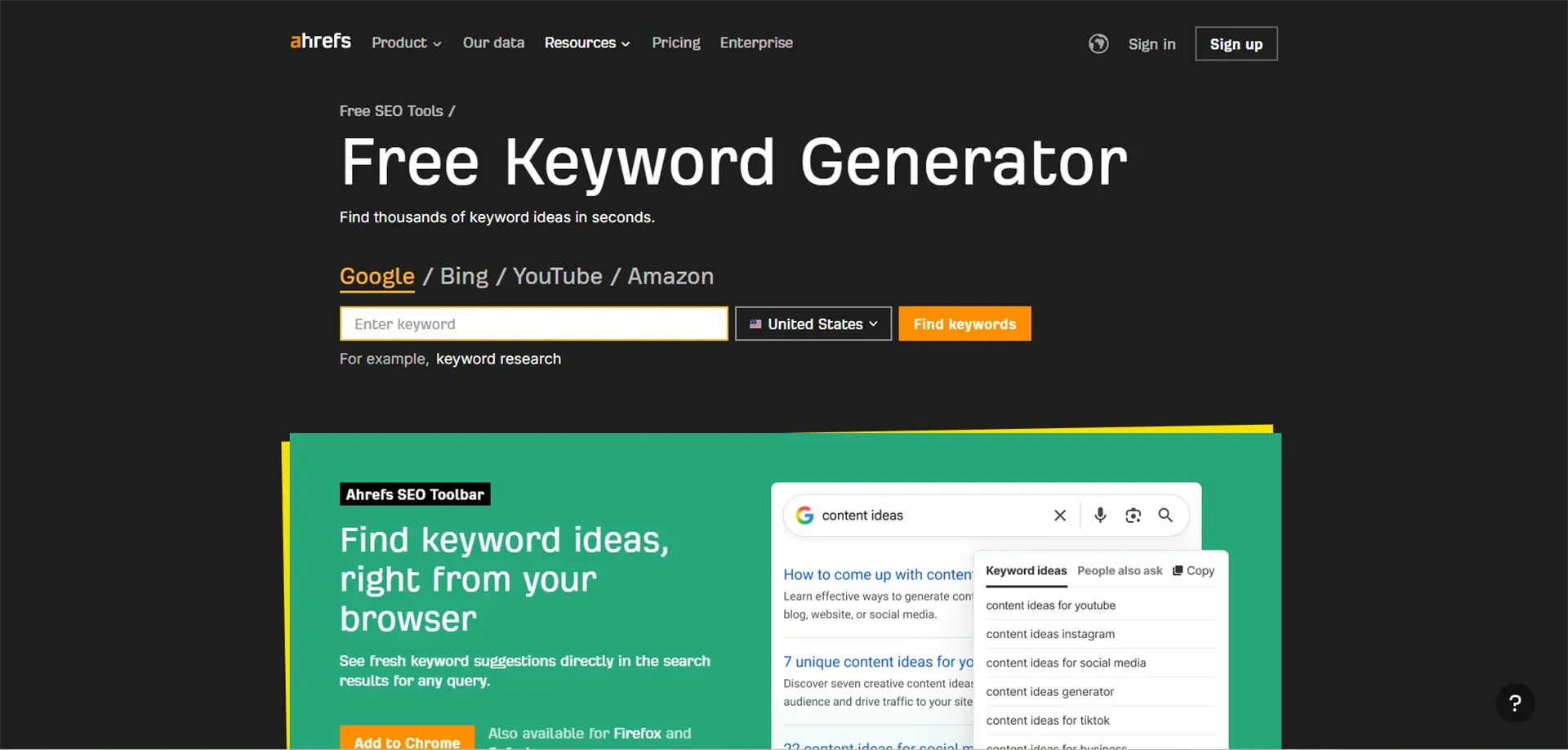
Ahrefs has one of the largest keyword databases I've ever used. It scans billions of web pages all the time, so its data stays fresh and detailed.
What makes Ahrefs stand out as an AI keyword research tool is how it adds AI insights to normal SEO data. You don't just get keyword lists, you find real content ideas. The Content Gap feature is especially useful. It shows keywords your competitors rank for, but you don't, which makes it great for finding quick opportunities.
Ahrefs is also very good at finding keywords on different platforms. You can research keywords for YouTube, Amazon, and other platforms, not only Google. This is very helpful if you create content for multiple channels.
It can feel a little difficult at first if you're new to SEO, but once you learn it, Ahrefs becomes a tool you can't work without.
3. Moz Pro – Clean, Strategic Insights
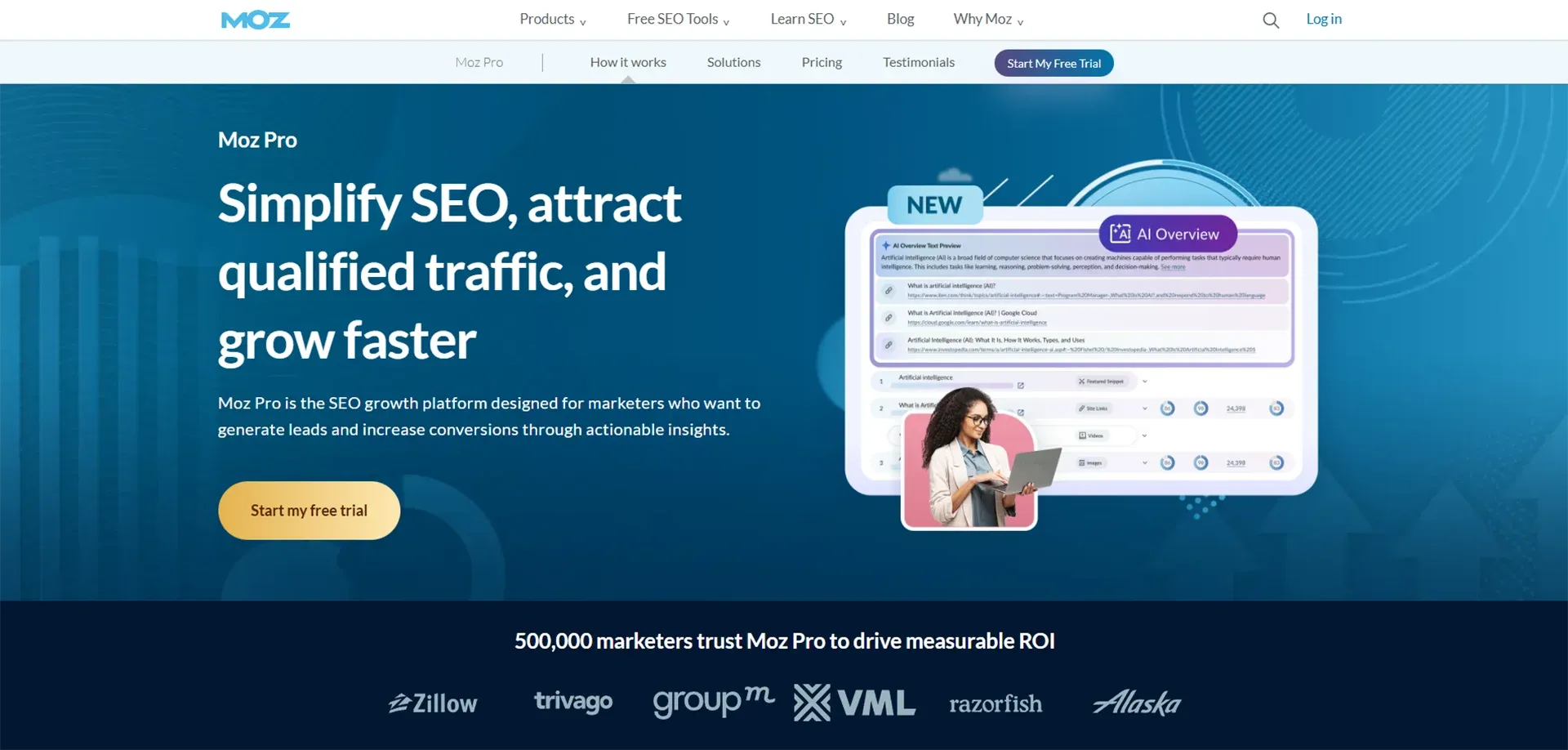
Moz Pro doesn't have the biggest database, but what it lacks in quantity, it makes up for in quality. The interface is beautifully simple, with no overwhelming dashboards or confusing metrics.
I particularly appreciate how Moz handles intent signals. They don't just label keywords as informational or commercial; they show you the nuance. You can see keyword themes across your domain and plan content clusters strategically.
Moz is perfect for small to medium businesses that want solid data without the complexity. It's also more affordable than Semrush or Ahrefs, which matters when you're starting.
4. Surfer SEO – Optimize While You Write
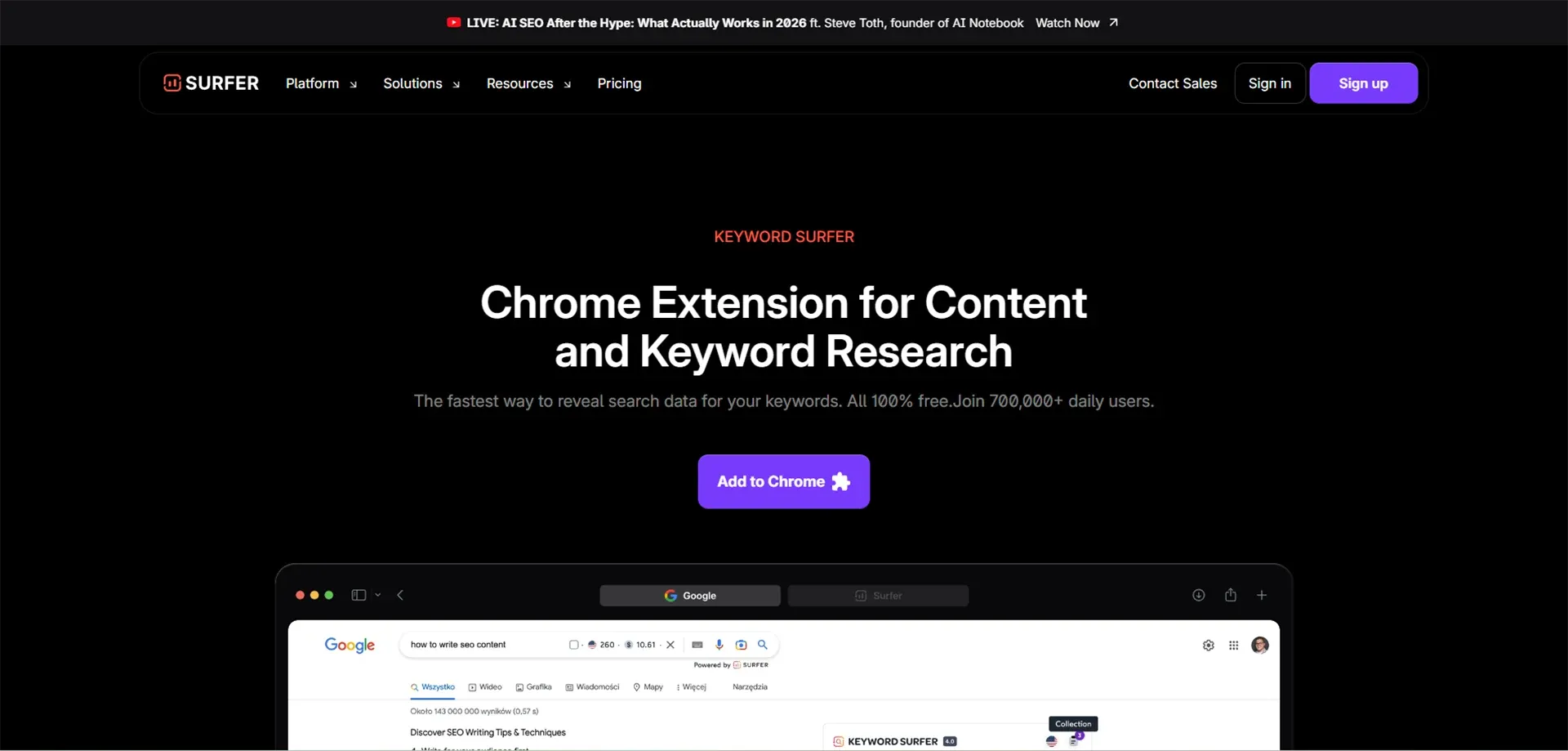
Surfer SEO is different from the others because it focuses on content optimization, not just keyword discovery. When I'm writing articles, Surfer runs in real-time and suggests keywords to include, tells me if I'm using them too much or too little, and even recommends topics to cover.
The keyword clustering feature is brilliant. Instead of targeting one keyword per page, Surfer helps you bundle related keywords together so one article can rank for dozens of terms. This is exactly how to do keyword research using AI effectively: you're building topical authority, not just chasing individual keywords.
If you're a content writer or blogger, Surfer SEO is essential. It bridges the gap between research and execution better than anything else I've used.
5. KWFinder by Mangools
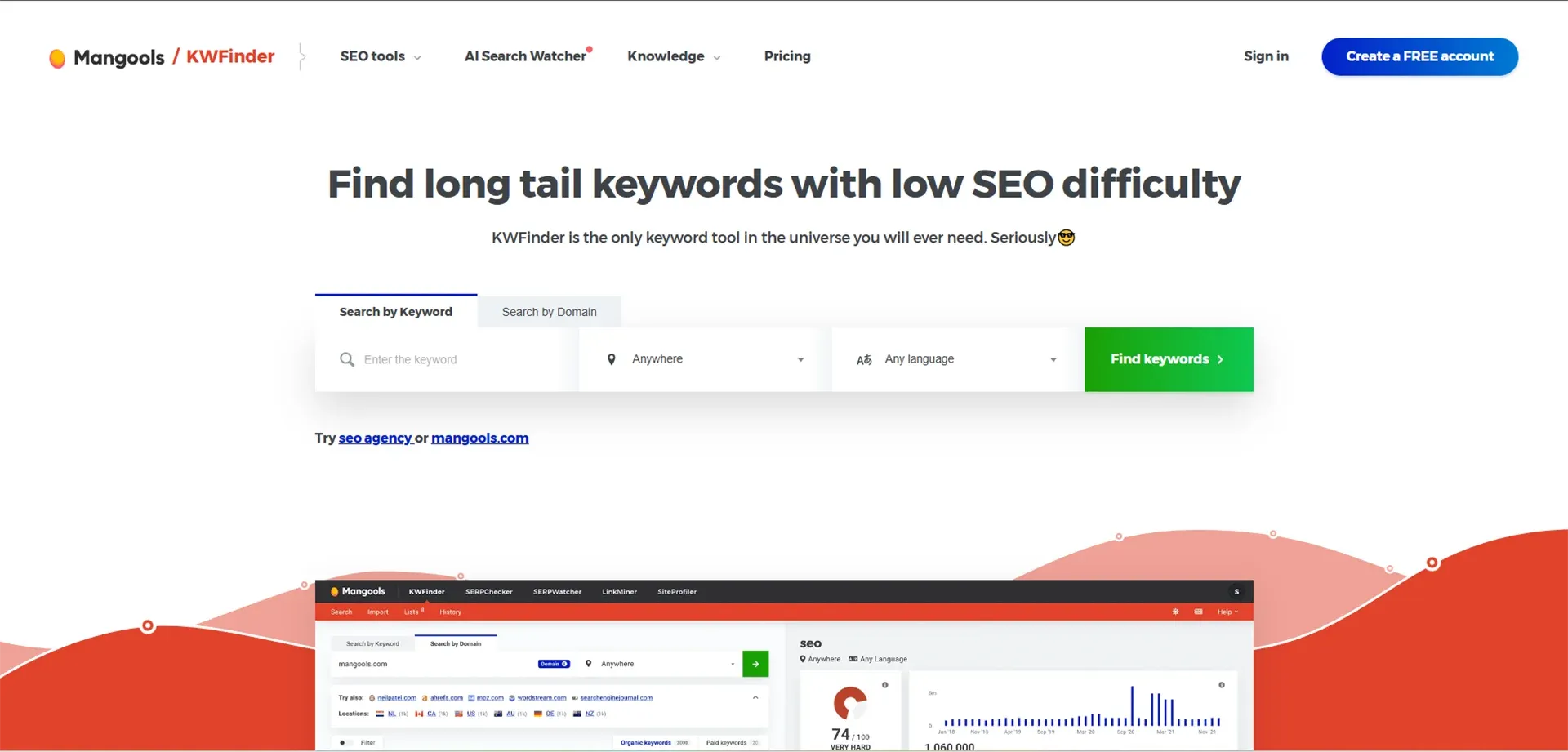
This is my go-to recommendation for beginners. KWFinder is affordable, super easy to use, and surprisingly powerful for the price. The location-based keyword volume is accurate, and the difficulty scores actually reflect reality.
I especially like using KWFinder for finding long-tail keywords that bigger tools sometimes miss. The AI-assisted suggestions aren't as advanced as Semrush, but they're more than good enough for most projects. If you're on a budget, start here.
6. Junia AI
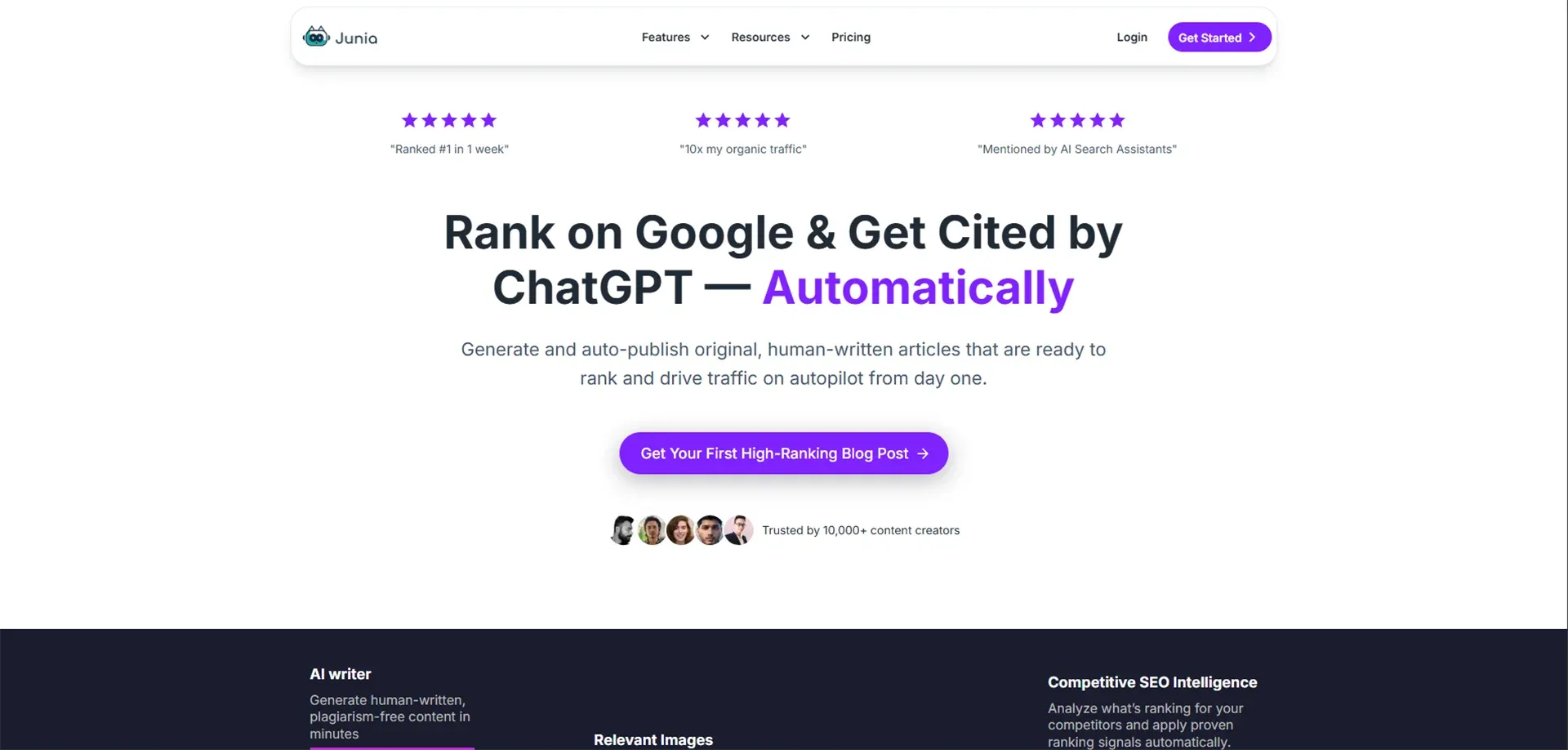
Junia AI takes a different approach. Instead of focusing on search volume, it helps you build semantic keyword maps and content clusters. This is one of the best AI tools for keyword research if you're planning content hubs or pillar pages.
The intent analysis is smart. Junia doesn't just tell you a keyword is 'informational,' it explains what type of information people want and suggests content angles. I've used it to plan entire content calendars, and it saves hours of manual work.
7. Quattr
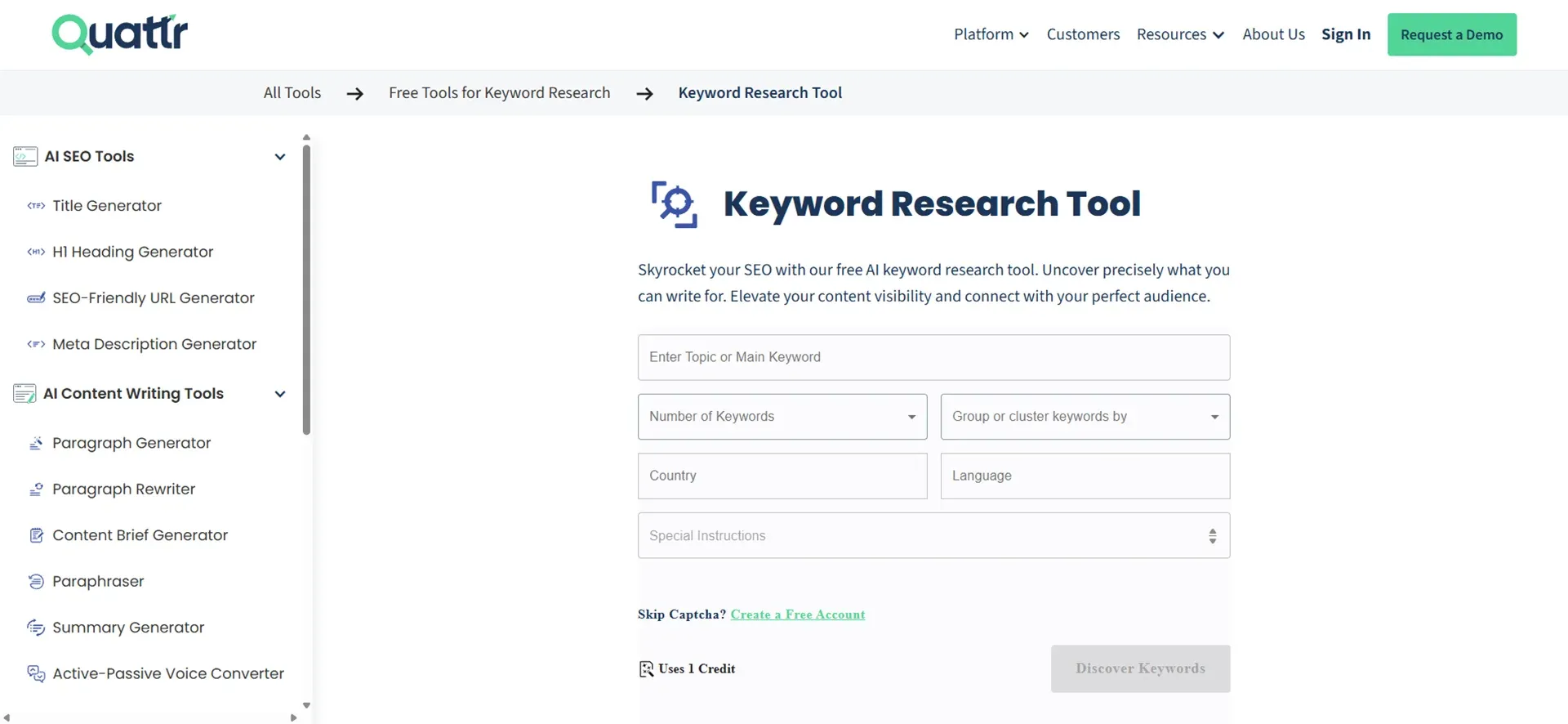
Quattr is lightweight and fast, perfect for rapid brainstorming sessions. It focuses on long-tail and question-based keywords, which are gold for content creators. When I need quick ideas for blog posts or FAQ sections, Quattr delivers in seconds.
The tool doesn't give you search volumes or difficulty scores, so you'll need to validate suggestions elsewhere. But for pure ideation, it's excellent.
8. Optimo
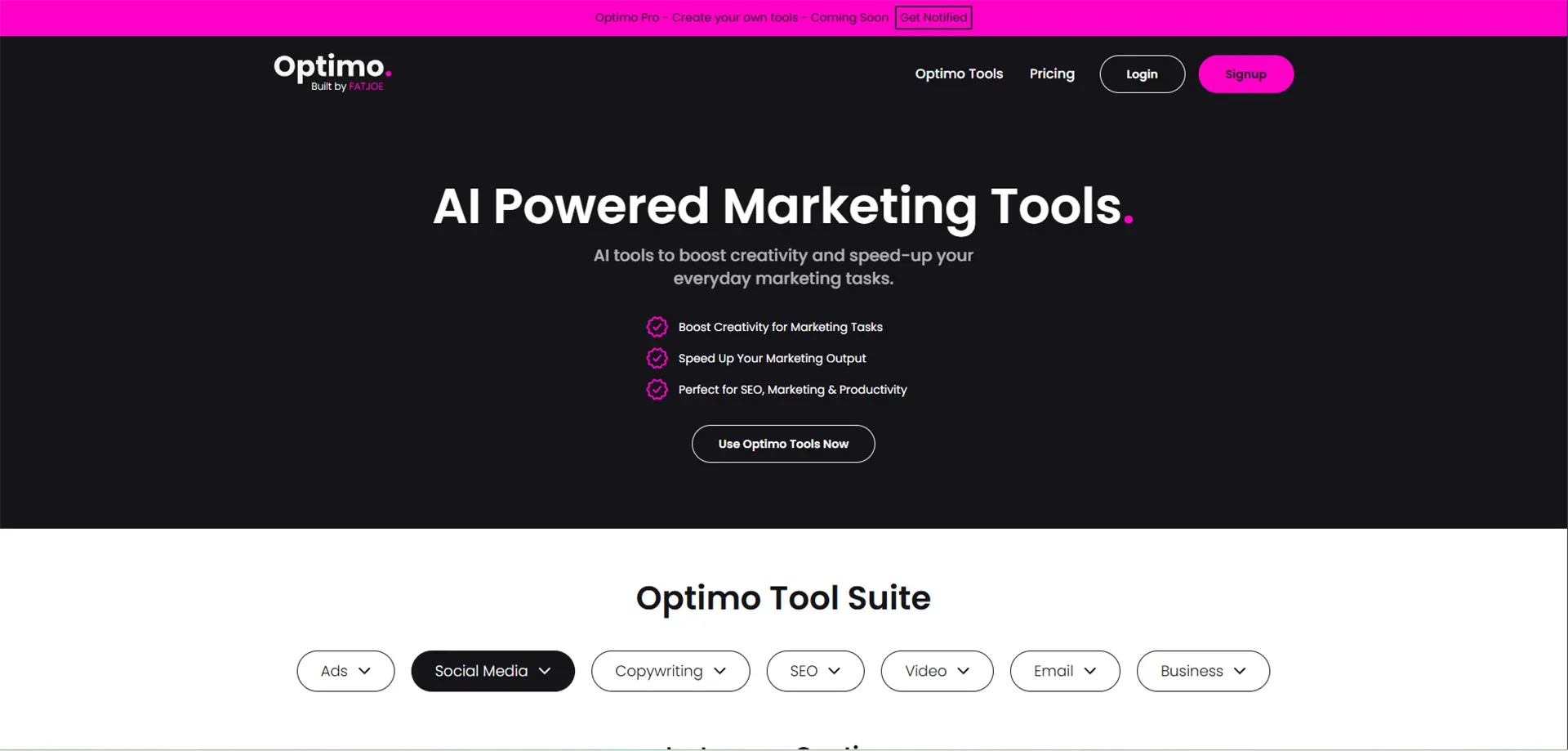
Optimo combines keyword research with workflow planning. It helps you map keywords to different stages of your content strategy and adds prioritization scoring. This is useful if you're managing multiple projects or working with a team.
The AI guidance walks you through optimization steps, which is helpful if you're not an SEO expert. I wouldn't rely on Optimo alone, but as part of a toolkit, it adds real value.
My Complete AI Keyword Research Workflow
Let me show you exactly how to do keyword research using AI from start to finish. This is the workflow I use for my own projects and client work.
-
Step 1: Brainstorm with LLMs. I open ChatGPT and describe my topic or niche. I ask for content ideas, angles, common questions, and pain points. This usually gives me 20-30 potential directions to explore.
-
Step 2: Expand with AI tools. I take those ideas and plug them into KWFinder, Quattr, or Junia AI to get semantic expansions. These tools show me variations, related phrases, and question-based keywords I wouldn't have thought of.
-
Step 3: Validate with data. Now I use Ahrefs or Semrush to check search volumes, keyword difficulty, and competition. This is where I separate real opportunities from dead ends. I look for keywords with decent volume but low competition—the sweet spot for ranking quickly.
-
Step 4: Optimize with Surfer SEO. When I start writing, I use Surfer to make sure I'm covering all the semantic clusters and related keywords. This turns a good article into a comprehensive resource that Google loves.
The entire process takes maybe 2-3 hours for a major content piece, but the results are significantly better than old-school keyword research. You're not just targeting keywords—you're building topical authority.
How to Choose the Right Tool for Your Needs
Not everyone needs a $200/month tool. The right choice depends on your budget, experience level, and goals.
If you're just starting, go with KWFinder plus Quattr. KWFinder gives you reliable data at a reasonable price, and Quattr helps with brainstorming. Together, they cost less than one month of Semrush but cover 80% of what beginners need.
Content writers and bloggers should invest in Surfer SEO plus one data tool like Semrush or Ahrefs. Surfer makes the writing process so much easier, and the data tool ensures you're targeting the right keywords from the start.
My personal setup? I use Ahrefs for competitor research and keyword discovery, Surfer SEO when I'm writing, and ChatGPT for creative brainstorming. This combination covers everything I need without breaking the bank.
Conclusion
Keyword research has evolved significantly; keyword research tool platforms have made it faster and more powerful than ever. But here's what I've learned after years of doing this: tools are only as good as the person using them.
The best results don't come from using the most expensive tool or running the most searches. They come from understanding your audience, creating genuinely helpful content, and using AI tools for keyword research as enhancers of your strategic thinking, not replacements for it.
Start small if you need to. Pick one or two tools that fit your budget and master them before expanding your toolkit. Experiment with different workflows until you find what feels natural. And remember, ranking on Google isn't just about keywords, it's about solving real problems for real people.
I'd love to hear which tools you're using and what's working for you. Drop a comment below or reach out if you have questions. Let's keep learning together, because in SEO, the only constant is change, and that's what makes it exciting.
Frequently Asked Questions
1. What's the best free or affordable AI keyword tool in 2026?
For free options, ChatGPT is excellent for brainstorming, but remember, it doesn't provide search volume data. If you need actual metrics, KWFinder offers the best value at around $30-40 per month. It's affordable and gives you reliable data that actually helps you rank.
2. Can AI fully replace manual keyword research?
Not completely. AI speeds up the process dramatically and finds patterns humans miss, but you still need human judgment to assess which keywords match your goals and audience. The best results come from combining AI efficiency with human strategic thinking.
3. How accurate are AI suggestions versus real-world search volume?
It depends on the tool. Purpose-built platforms like Semrush and Ahrefs pull from actual search data and are quite accurate. LLMs like ChatGPT don't have access to real search data, so their suggestions are educated guesses based on language patterns. Always validate LLM ideas with data tools.
4. What's the best workflow combining AI tools and traditional metrics?
Start with brainstorming using ChatGPT or Gemini. Expand those ideas with semantic tools like Junia AI or Quattr. Then, validate everything with Semrush or Ahrefs to check volumes and competition. Finally, optimize your content with Surfer SEO as you write. This four-step process combines creativity, expansion, validation, and execution.
5. What is the best AI keyword research tool in 2026?
The best AI keyword research tool in 2026 is Semrush for all-in-one SEO, Ahrefs for competitor analysis, and Surfer SEO for content optimization. Beginners often choose KWFinder because it offers accurate data at a lower cost.
6. How does AI keyword research work?
AI keyword research uses machine learning to analyze search intent, group related keywords, predict trends, and suggest content topics. Instead of only showing search volume, it helps identify what users actually want to find when they search a term.
7. Can I do keyword research using ChatGPT or Gemini?
Yes, but only for brainstorming. ChatGPT and Gemini can generate keyword ideas and content angles, but they do not provide real search volume or competition data. You should always validate AI-generated keywords using tools like Semrush, Ahrefs, or KWFinder.
8. What is the difference between traditional and AI keyword research?
Traditional keyword research focuses on search volume and keyword difficulty. AI keyword research focuses on search intent, topic clustering, and trend prediction, helping you build content around full topics instead of single keywords.
9. What is the best affordable AI keyword research tool?
KWFinder by Mangools is one of the most affordable and reliable AI-assisted keyword research tools. It offers accurate search volume, keyword difficulty, and strong long-tail keyword discovery at a lower monthly cost than premium platforms.
10. How do I combine multiple AI tools for better SEO results?
Start by brainstorming keywords with ChatGPT or Gemini, expand them using Junia AI or Quattr, validate them with Semrush or Ahrefs, and optimize your content using Surfer SEO. This workflow combines creativity, data accuracy, and on-page optimization.
11. Do AI keyword research tools help with voice search and AEO?
Yes. AI keyword research tools identify question-based, conversational, and intent-driven keywords, which are essential for voice search and Answer Engine Optimization (AEO). This helps your content rank in featured snippets and AI-generated search results.