
People who experience blank screen writing blocks, share your experience. Daily content creation to produce blogs, social media posts, videos, and emails leads to worker burnout. Content creation has become easier for AI tools for content creation and marketers who want to maintain high standards through AI tools, which help them complete their work faster. The tools available in 2026 now operate with advanced capabilities, which enable them to perform tasks at higher speeds.
What makes 2026 different? Our current technological advancements enable us to build systems that analyze your brand voice while they provide instant keyword recommendations, multiple platforms content transformation, and realistic voice and video production capabilities.
The guide presents the top 10 AI content creation tools that help creators solve their daily challenges. The content offers value to bloggers, marketers, and business owners.
Why AI Content Creation Tools Are Essential in 2026
The content game has completely transformed. A few years ago, writing one blog post a week was enough. The current requirements demand you to create multiple blog posts, social media reels, podcast episodes, newsletters, and social media updates within one week.
The total number of required tasks amounts to excessive work. The best content creation tools that use artificial intelligence technology actually solve this particular challenge.
1. Faster Content Production
Most creators spend more time researching and organizing than actually writing. AI-powered tools for content creation cut that research and drafting time dramatically. What used to take four hours can now take under one. That is not an exaggeration; it is something seen happening consistently.
2. SEO Optimization Built-In
Many of today's content creation tools come with built-in SEO suggestions. They analyze what is ranking on Google and help you write content that actually has a chance of appearing on page one. No more guessing which keywords to use.
3. Multi-Platform Content Repurposing
You record one podcast, and an AI tool generates short video clips, social media captions, and a newsletter summary. The recording produces four separate pieces of content. The content creator tools of 2026 make this kind of repurposing surprisingly easy.
4. Cost Savings for Businesses
Hiring a full content team is expensive. With the right free AI tools for content creation and affordable paid options, small businesses can now compete with bigger brands. The savings are real, and the output quality has improved massively.
5. Personalization & Brand Voice
Early AI writing felt generic. But modern AI tools for content creation can learn your brand tone, remember your style preferences, and write in a way that sounds like you, not like a machine. That shift has made a huge difference for brand consistency.
10 Best AI Tools for Content Creation in 2026
Here is a closer look at the tools that are genuinely making a difference for creators and marketers in 2026. These have been picked based on real-world use cases, not just feature lists.
1. ChatGPT — Best All-In-One AI Content Tool
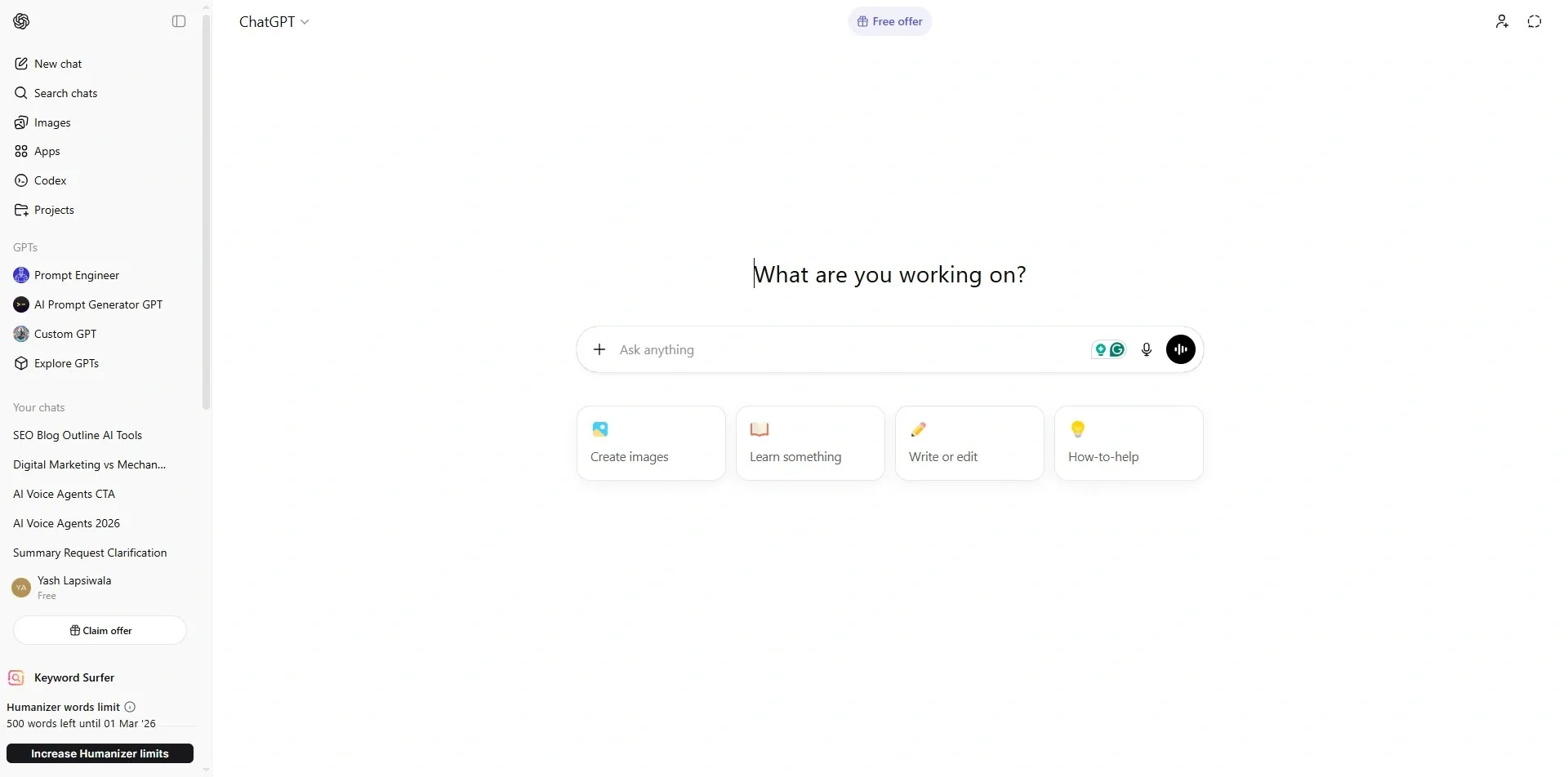
ChatGPT remains one of the most versatile content creation tools available today. Whether you need a blog post, a script, a welcome email, or a quick social caption, it handles all of it in seconds.
Best for: Blogs, scripts, emails, social posts
Key Features:
- Long-form writing that stays on topic
- Custom GPTs for specific content roles
- Research support with real-time web browsing
Pros: Highly flexible, constantly updated, massive community support.
Cons: Can sometimes produce generic content if prompts are not detailed.
2. Claude AI — Best for Long-Form & Research
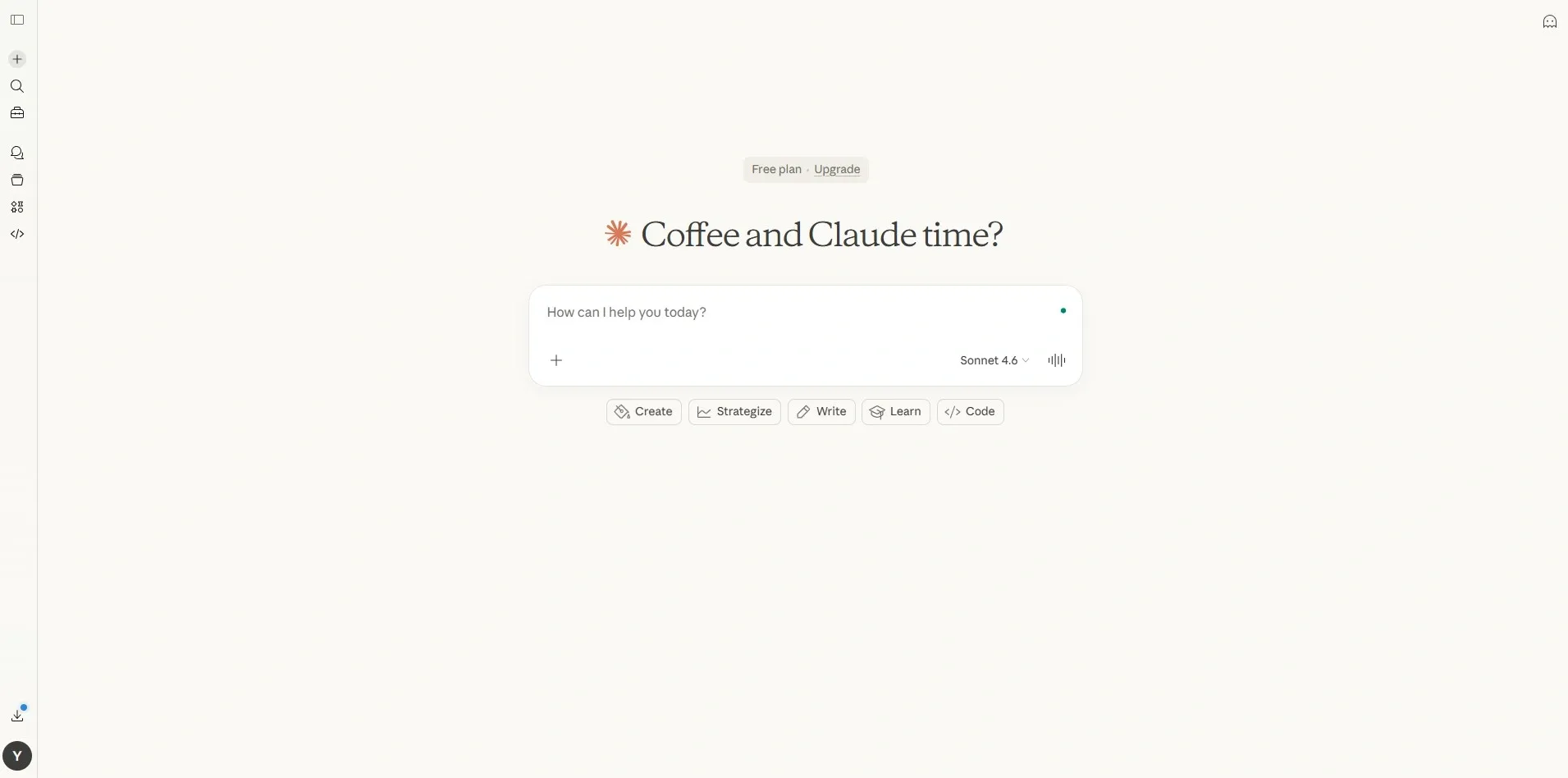
Claude AI is one of those tools you appreciate more the longer you use it. Its strength lies in handling long, complex content, detailed articles, research summaries, and nuanced writing tasks that other tools sometimes fumble.
Best for: Agencies, researchers, and writers who need deep, thoughtful long-form content.
Key Features:
- Extra-large context window — ideal for lengthy documents
- High-quality reasoning and structured responses
- Safer, more balanced outputs that avoid misinformation
Pros: Excellent for research-heavy writing, reliable factual accuracy, and handles nuance well.
Cons: Fewer integrations compared to some competitors.
3. Jasper AI — Best for Marketing Teams
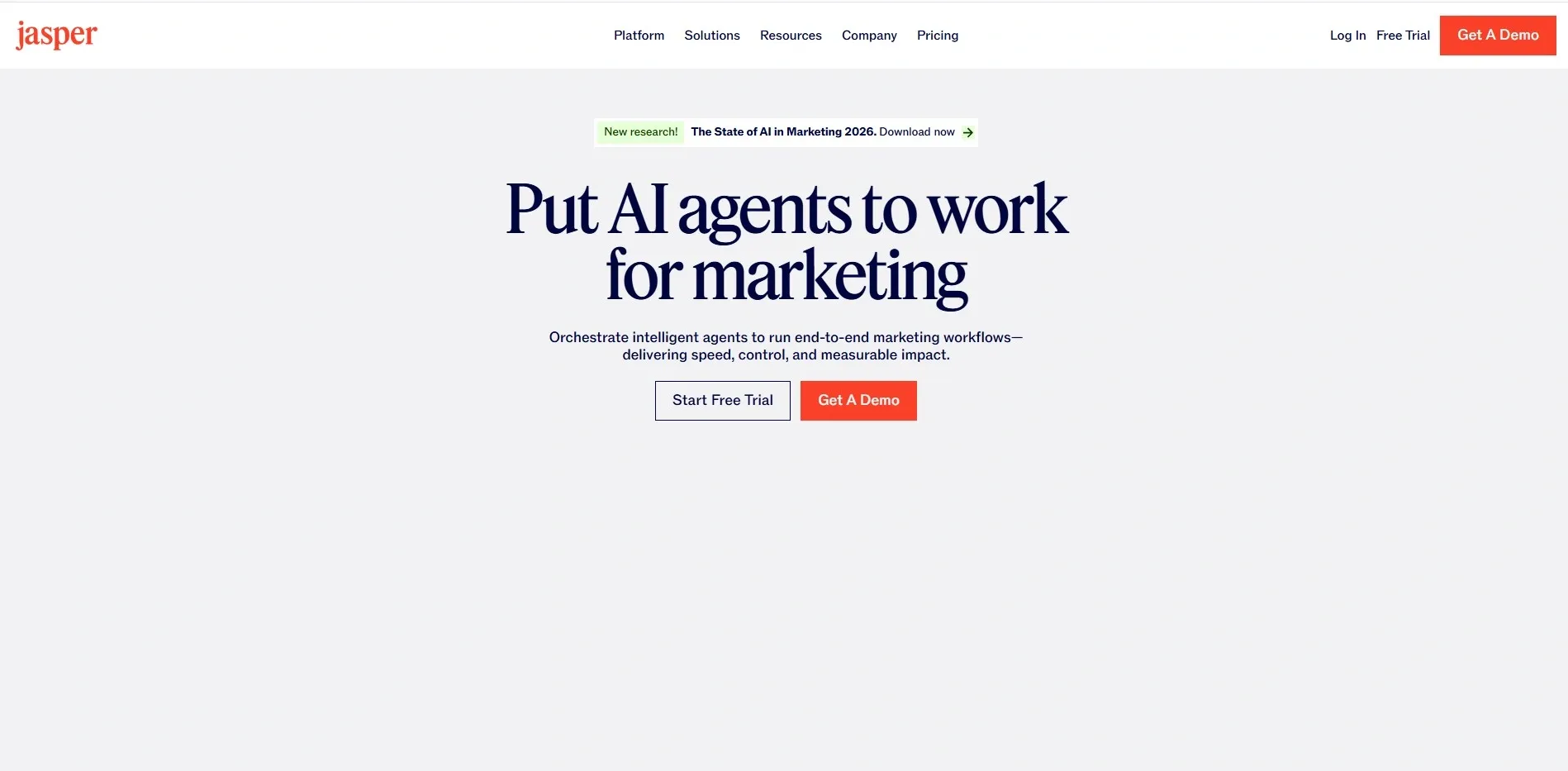
Jasper is built for teams. If you are managing a marketing department or running an agency, Jasper's brand voice memory and campaign workflow features will feel like they were designed specifically for you.
Best for: Marketing agencies and growing content teams.
Key Features:
- Brand voice memory that keeps content consistent
- End-to-end campaign workflow management
- Over 50 templates for ads, emails, landing pages, and more
Pros: Great for teams, strong brand consistency features.
Cons: Pricey for solo creators on a tight budget.
4. Surfer SEO — Best AI Tool for SEO Content
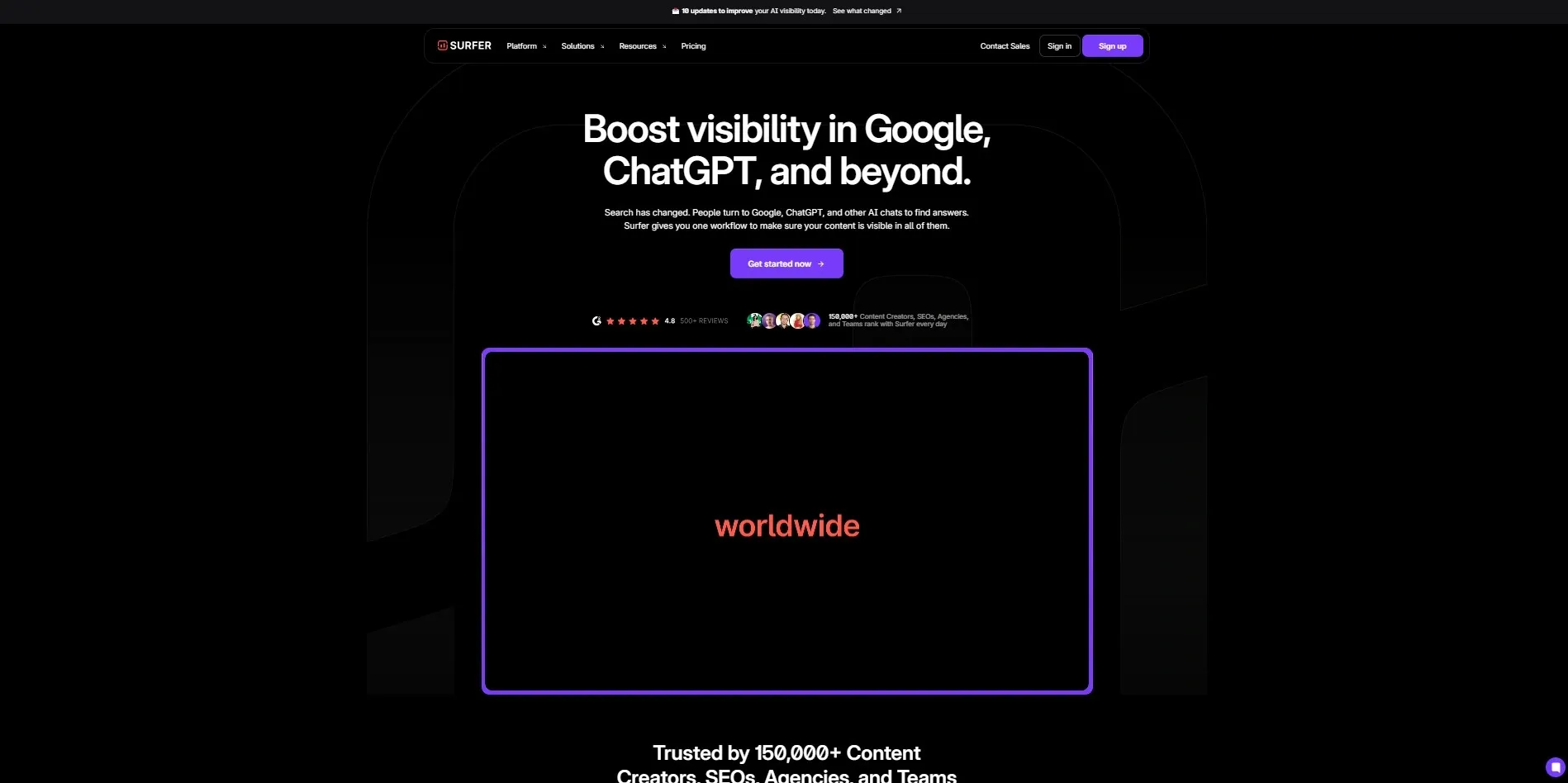
Writing great content that nobody reads is one of the most frustrating things a creator can face. Surfer SEO solves that by making sure your content is built to rank from the very first draft.
Best for: SEO-focused bloggers and content teams.
Key Features:
- Real-time SERP analysis as you write
- Content scoring against top-ranking pages
- Smart keyword suggestions throughout your draft
Pros: Dramatically improves your chances of ranking on page one.
Cons: Works best when paired with a strong writer or writing tool.
Pro tip: Combine Surfer SEO with ChatGPT or Claude for a powerful writing and ranking workflow. Together, these AI-powered tools for content creation cover both quality and discoverability.
Also Read: Top 5 AI Tools for Video Editing in 2026 (A Complete Guide)
5. Canva AI — Best for Visual Content
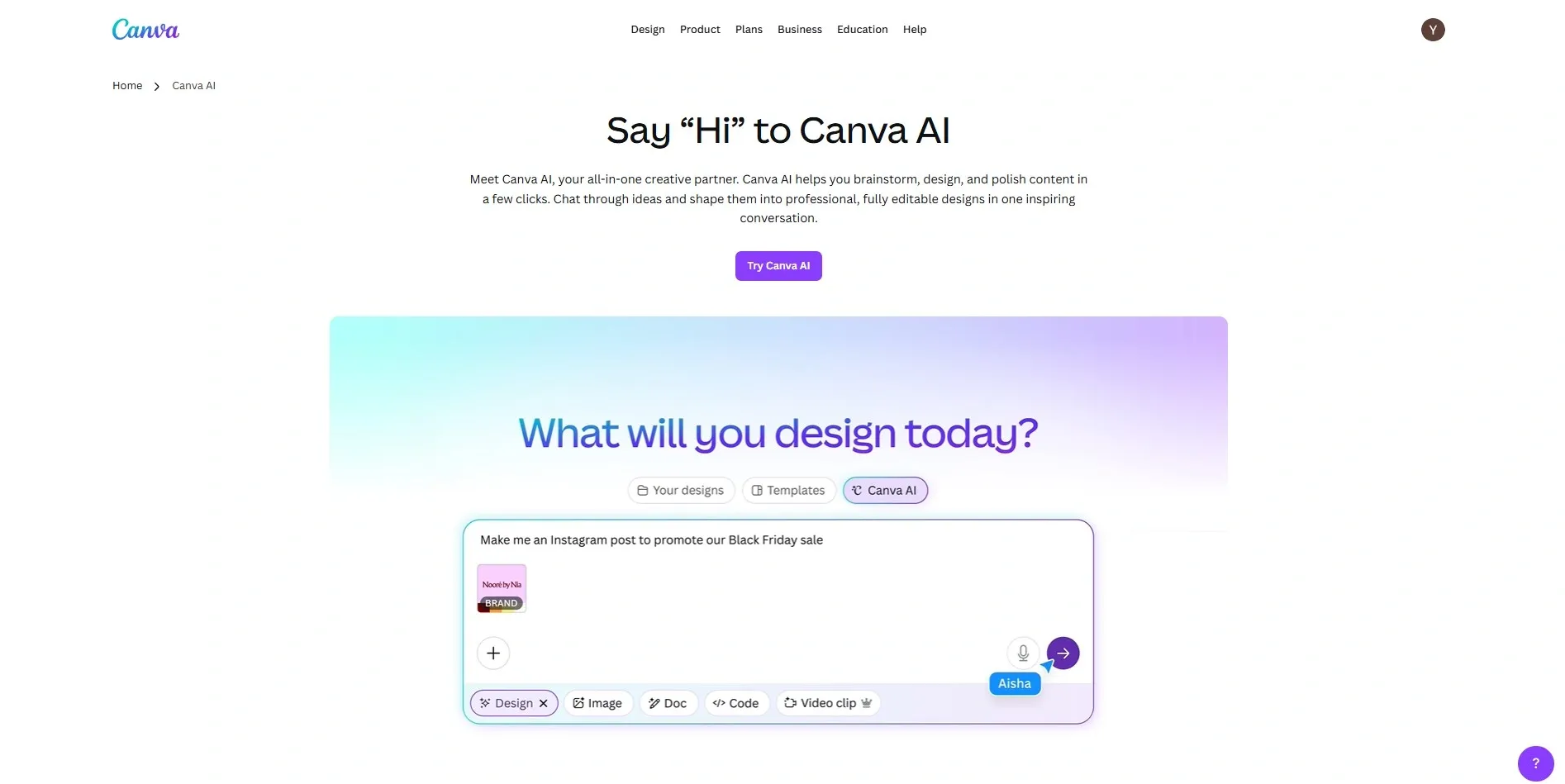
Canva has always been a favorite for non-designers, and its AI upgrades in 2026 make it even more essential. Magic Studio lets you go from a simple text prompt to a complete design in minutes.
Best for: Non-designers, social media creators, and small businesses needing quick, professional visuals.
Key Features:
- Magic Studio with AI-powered design generation
- Built-in AI image generator for unique visuals
- Thousands of social media templates for every platform
- Simple video editor for short-form content
Pros: Beginner-friendly, free plan is generous, covers design and basic video.
Cons: Advanced video editing requires third-party tools.
6. Descript — Best for Podcast & Video Repurposing
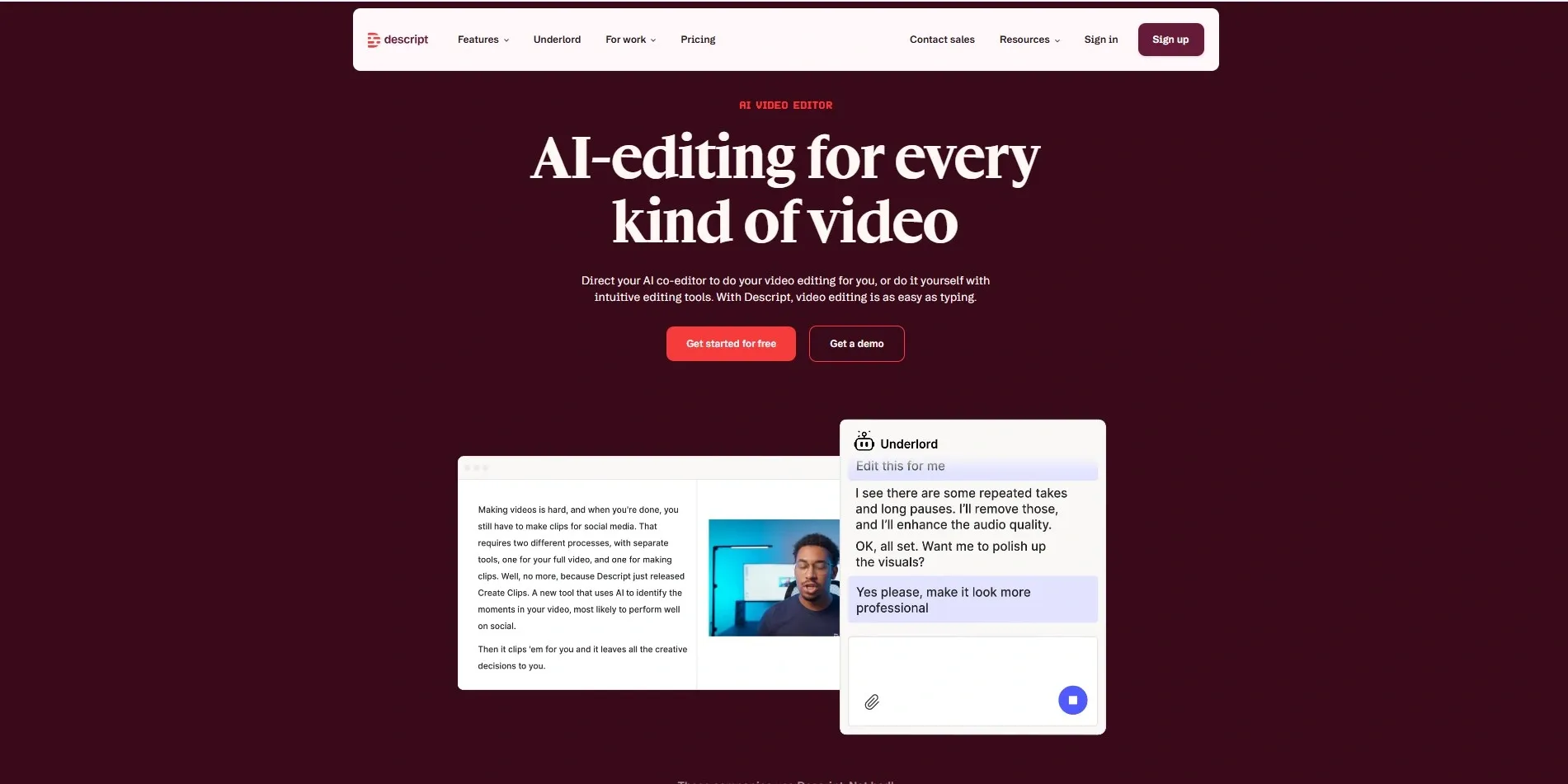
Most people struggle with video editing. Descript changes that entirely. Instead of dragging clips on a timeline, you edit the text transcript, and the video changes automatically. It sounds simple because it is.
Best for: Podcasters, YouTubers, and creators who want simple, text-based video editing.
Key Features:
- Text-based video editing edit video by editing words
- Impressively accurate AI transcription
- Automatic filler word removal ('um', 'uh', long silences)
Pros: Massive time-saver for podcasters and video creators.
Cons: Learning curve for users new to audio/video workflows.
7. ElevenLabs — Best AI Voice Generator
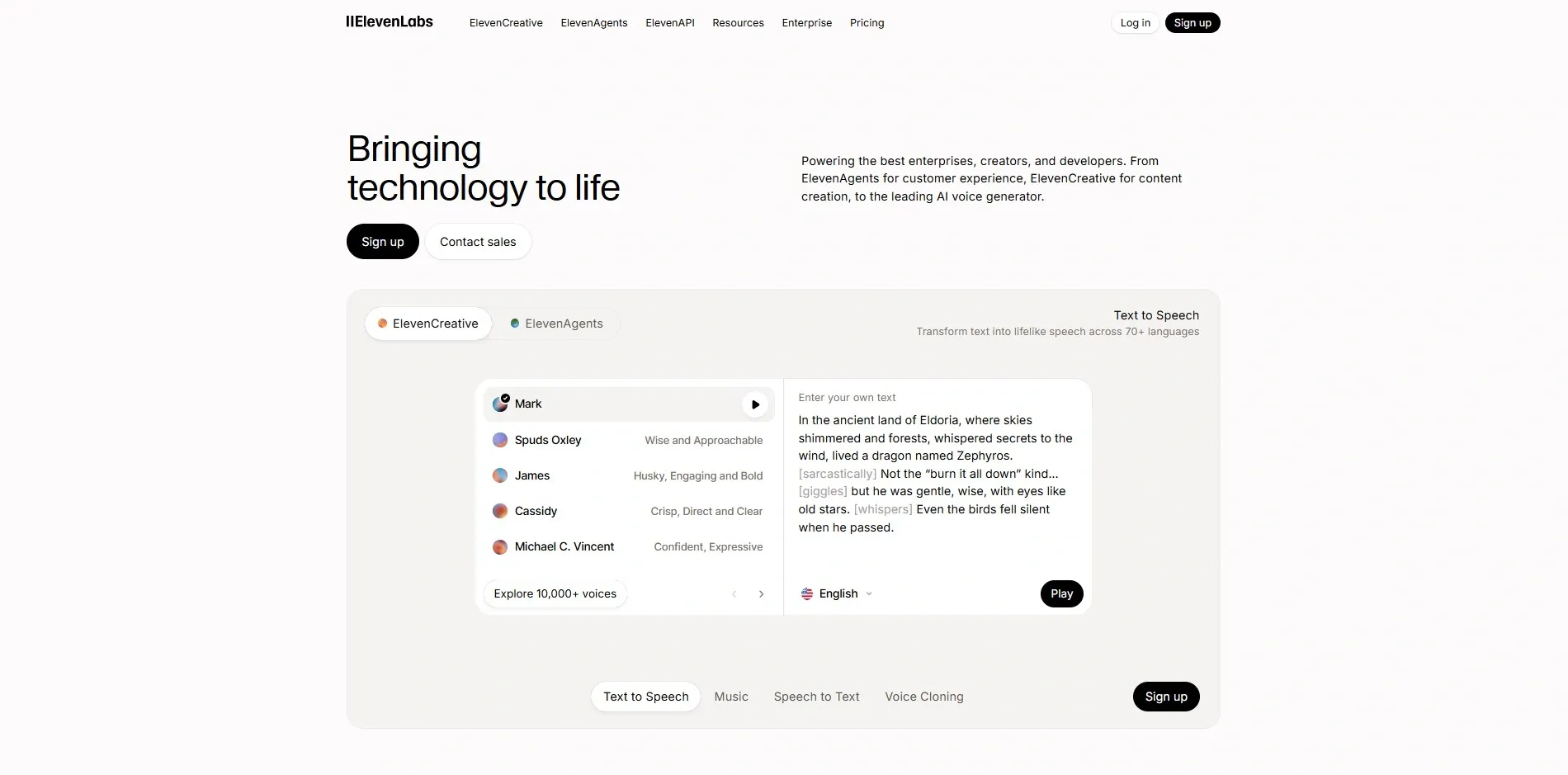
Voice content is growing fast. Audiobooks, YouTube narration, and podcast ads all of these need a realistic voice. ElevenLabs produces some of the most natural-sounding AI voices available today.
Best for: Creators and businesses needing realistic AI voiceovers for videos, ads, and audiobooks.
Key Features:
- Hyper-realistic voice cloning and generation
- Multi-language support for global audiences
- Ideal use cases: YouTube voiceovers, ads, audiobook narration
Pros: Incredibly lifelike voices, easy to use, and a wide language selection.
Cons: Premium voices require a paid plan.
8. OpusClip — Best for Short Video Content
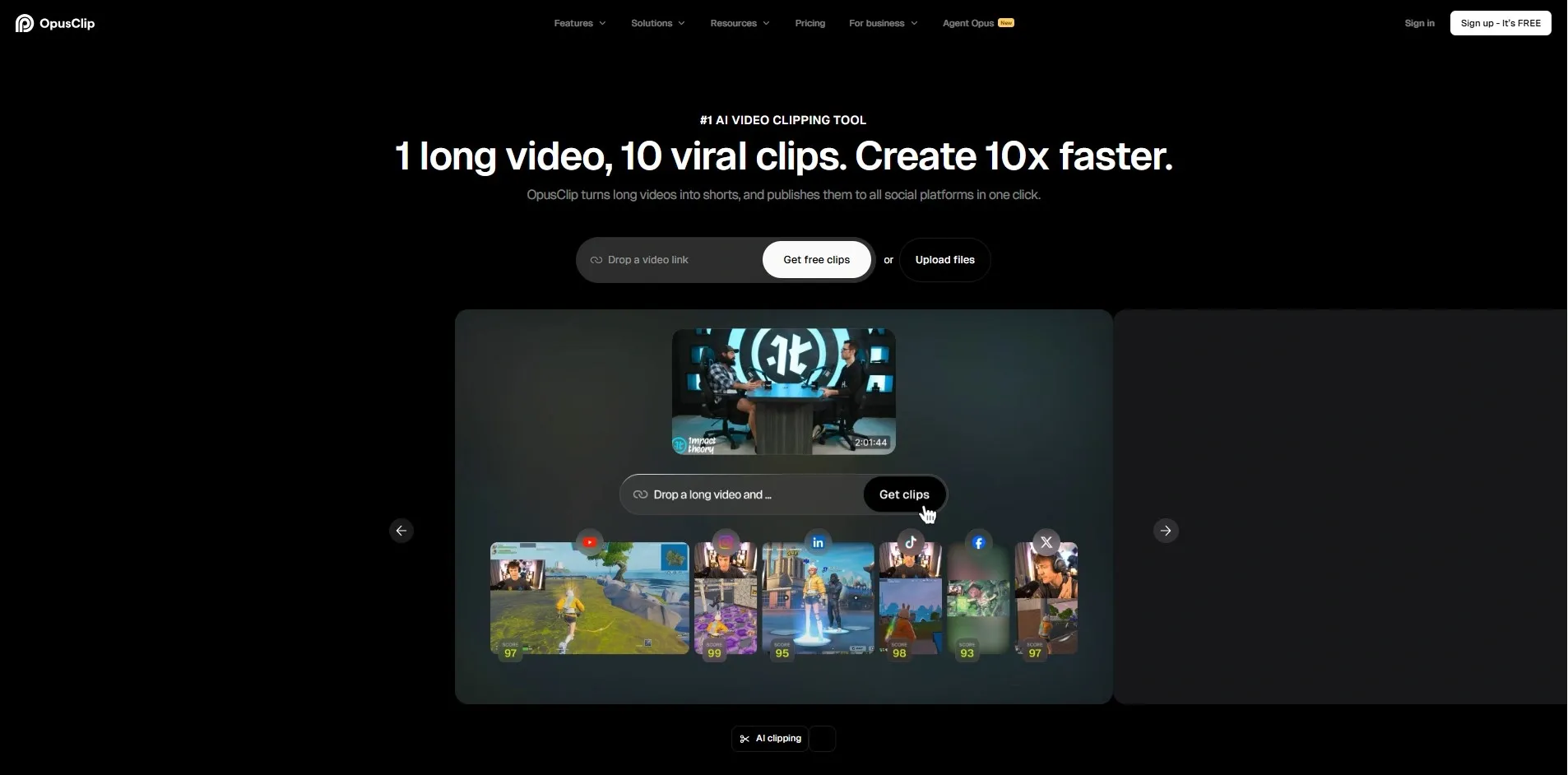
Short video is everywhere. And if you are sitting on hours of long-form video content, OpusClip is how you turn that into a steady stream of reels and shorts without watching every minute of footage yourself.
Best for: Creators and brands turning long videos into short-form reels and shorts.
Key Features:
- Converts long videos into short, viral-ready clips
- Auto captions that match your brand style
- Viral clip detection based on engagement signals
Pros: Saves hours of editing time, great for repurposing content.
Cons: AI clip selection is not always perfect; some manual review helps.
9. Asana — Best for Content Planning & Workflow
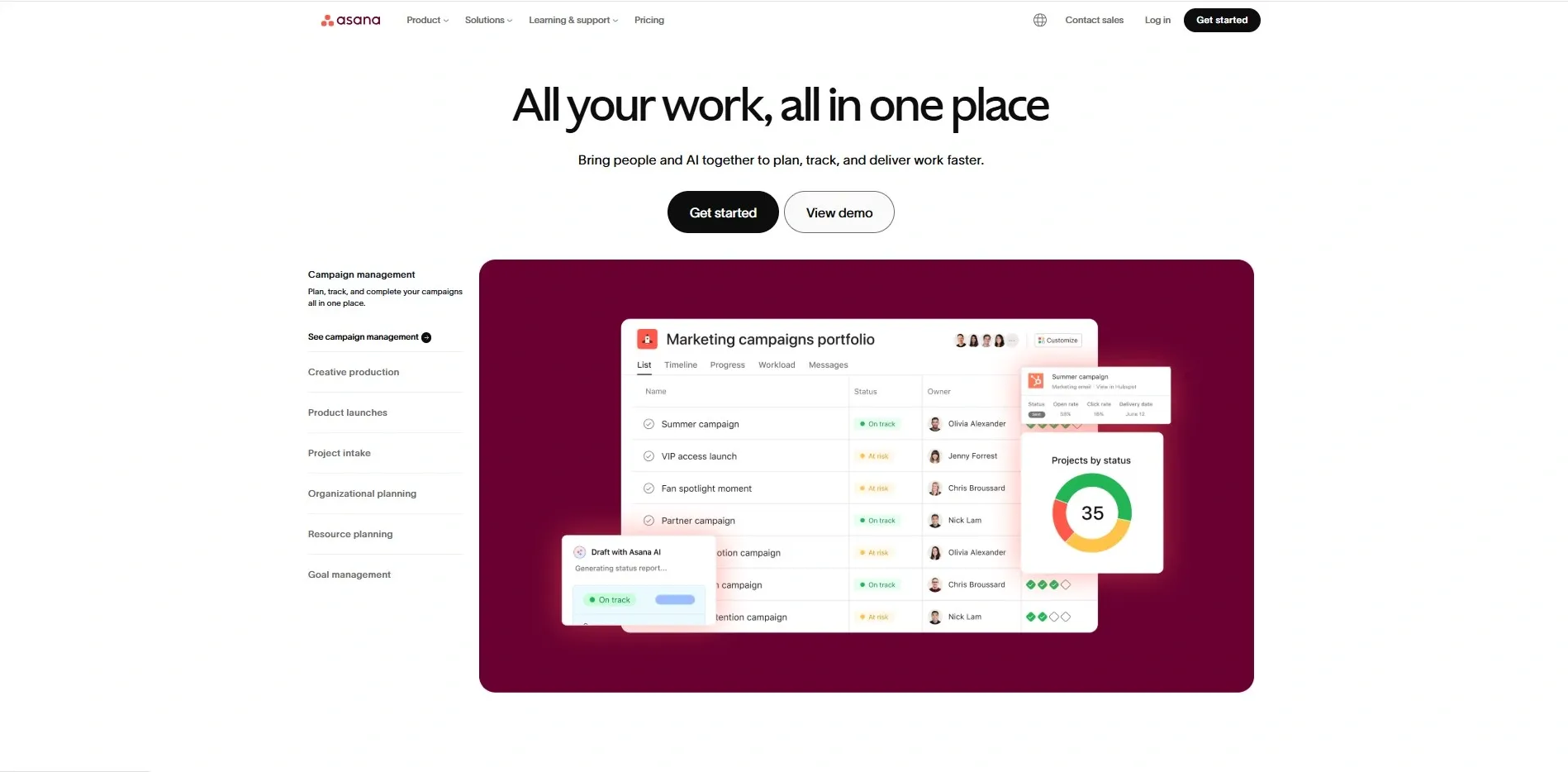
If your content schedule feels scattered and deadlines are slipping through the cracks, Asana can help bring clarity and structure to your content workflow. It’s built to manage tasks, timelines, and team roles in one place so nothing gets lost and everyone knows what to do next.
Best for: Content teams needing structured planning and clear task management.
Key Features:
- Custom task lists and priorities to track every content task
- Timeline (Gantt) view for planning content calendars visually
- Assign tasks, add deadlines, and attach files directly to work items
- Team messaging and status updates to keep everyone in sync
Pros: Excellent for teams that need clear task ownership and visual planning tools.
Cons: Can feel overwhelming for solo creators or those new to structured project tools.
10. Midjourney — Best for AI Images
Visuals matter. A blog post with a striking image gets more clicks. A social post with an eye-catching visual gets more shares. Midjourney and DALL-E are the leading content creator tools for generating unique, high-quality images on demand.
Best for: Bloggers, marketers, and creators who need unique AI-generated visuals on demand.
Key Features:
- Text-to-image generation from simple prompts
- Custom thumbnails for YouTube and blog content
- Unique blog visuals that no stock photo site can match
- Creative content for ads and social campaigns
Pros: Endlessly creative, unique imagery every time.
Cons: Midjourney requires a Discord setup; DALL-E is more beginner-friendly.
How to Choose the Best AI Tool for Your Needs
With so many best content creation tools available, choosing the right one comes down to your specific goals. Here is how to narrow it down:
- Define your content goals: Are you focused on writing, video, SEO, or visuals? Match your primary output type to the tool designed for it.
- Explore free before paid: Many of the best free AI tools for content creation offer generous free tiers. Test them before committing to a subscription.
- Check integrations: The best tool is one that fits your existing workflow. Look for tools that connect with the apps you already use.
- Decide on oversight level: Some tools work more autonomously; others need more human direction. Choose based on how hands-on you want to be.
Future Trends in AI Content Creation Tools
The pace of change in this space is exciting. Here is what is coming in the next 12 to 24 months for AI tools for content creation:
- Multimodal creation that generates text, images, and video from a single prompt
- Real-time SEO ranking signals built directly into writing tools
- Automated content optimization and one-click publishing workflows
- Custom AI roles that mimic specific content team members and responsibilities
The tools that combine all of these capabilities into one seamless workflow will lead the next wave of AI-powered tools for content creation.
Conclusion
There has never been a better time to use AI tools for content creation. The best AI tools for content creation in 2026 help you write faster, improve SEO rankings, create professional visuals, and expand your audience without burning out.
Whether you need help with blog writing, social media content, SEO optimization, or video production, these tools can streamline your workflow and save valuable hours every week. Start with one tool, master it, and then build your AI-powered content system step by step. AI is not here to replace your creativity it is here to multiply it.
If you want to move beyond basic tools and implement custom AI automation tailored to your business, explore RejoiceHub AI Agents Services for business growth. Their AI agent solutions are designed to automate repetitive tasks, improve lead generation, enhance customer engagement, and create scalable content workflows
Frequently Asked Questions
1. What are the best AI tools for content creation in 2026?
The best AI tools for content creation in 2026 include ChatGPT, Claude AI, Jasper, Surfer SEO, Canva AI, Descript, ElevenLabs, OpusClip, Notion AI, and Midjourney. These tools help with writing, SEO optimization, video editing, voice generation, and image creation, making content production faster and easier.
2. Are AI content creation tools worth it for small businesses?
Yes, AI tools for content creation are worth it for small businesses. They reduce writing time, lower hiring costs, and help maintain consistent publishing. With built-in SEO and automation features, even small teams can compete with larger brands without spending heavily on full-time creators.
3. Can AI replace human content writers in 2026?
AI can assist writers, but it cannot fully replace human creativity, emotional understanding, and real-life experience. The best results come when AI tools handle research and drafting while humans refine tone, add insights, and ensure the content feels natural and trustworthy.
4. Which AI tool is best for SEO content writing?
Surfer SEO combined with ChatGPT or Claude AI works very well for SEO content writing. Surfer analyzes top-ranking pages and gives keyword suggestions, while writing tools generate structured drafts. This combination improves ranking chances and saves research time significantly.
5. What is the best free AI tool for content creation?
ChatGPT offers one of the best free plans for content creation. Canva AI also provides free design tools. These platforms allow users to write blogs, create captions, and design visuals without upfront investment, making them ideal for beginners and startups.
6. How do AI tools help with social media content?
AI tools generate captions, suggest hashtags, create short video clips, and design visuals within minutes. Tools like Canva AI and OpusClip help repurpose long videos into short reels. This makes daily posting easier and keeps your social media consistent.
7. Are AI-generated blog posts good for SEO?
AI-generated blog posts can rank well if properly edited and optimized. Adding real examples, updated statistics, internal links, and clear formatting improves quality. AI helps with structure and speed, but human review ensures originality and value for readers.
8. What AI tools are best for video content creation?
Descript and OpusClip are strong choices for video content creation. Descript allows text-based video editing, while OpusClip turns long videos into short clips automatically. Both tools save hours of editing time and simplify content repurposing for creators.
9. Which AI tool is best for generating images?
Midjourney and DALL-E are leading AI image generation tools in 2026. They create unique visuals from simple text prompts. These tools are useful for blog images, thumbnails, ads, and social media posts without relying on stock photos.
10. How can AI improve content marketing strategy?
AI tools analyze keyword trends, suggest content ideas, optimize SEO, and repurpose content across platforms. This reduces manual effort and improves consistency. Businesses can publish more frequently while maintaining quality, which strengthens their content marketing strategy.
11. Are AI tools safe to use for business content?
Most AI content creation tools are safe when used responsibly. It is important to review outputs, avoid sensitive data sharing, and follow platform guidelines. Adding human editing ensures accuracy and protects your brand reputation.
12. How much do AI content creation tools cost?
AI content creation tools range from free plans to premium subscriptions between $20 and $60 per month. Pricing depends on features, usage limits, and team access. Many tools offer trials, so users can test before committing financially.
13. How do I choose the right AI tool for content creation?
Start by identifying your main goal, whether it is writing, video editing, SEO, or design. Test free versions first and check integrations with your workflow. The best AI tool is one that saves time and fits naturally into your content process.