Through years of several number of research, I made many discoveries within the field of Finance and Accounting using Artificial Intelligence tools such as Accountants, Bookkeepers, and Schools, which have changed the way that Accounting is accomplished.
In the past, AI tools were used primarily for performing repetitive tasks, such as data entry or analyzing records, but now these tools assist the Financial Teams in completing their day-to-day tasks.
AI tools have changed the way Accounting works and have provided faster, more efficient ways to perform the required work.
At month-end, many business owners are frustrated because it takes so long to complete the month-end report. Accountants need to find AI tools to help them in their work and reduce the amount of time it takes to get their work done.
The guide for AI tools for Finance and Accounting for 2026 will outline which AI tools work best for finance and accounting-related tasks.
What is AI Accounting Tools?
The first thing I need to accomplish is to establish clarity about this issue. People who discuss the top ai tools for accountants believe these programs only provide advanced automated functions. AI provides more capabilities than simple automated processes.
Automated systems use pre-determined guidelines to perform their functions. The system will process every expense as office supplies because that classification exists in its programming. The system fails when a vendor provides both office supplies and equipment to customers. Traditional systems struggle.
Key Benefits for Accounting Teams
Most people struggle with understanding what these tools actually deliver. So let me explain simply. When you use best AI tools for finance and accounting, here is what changes:
-
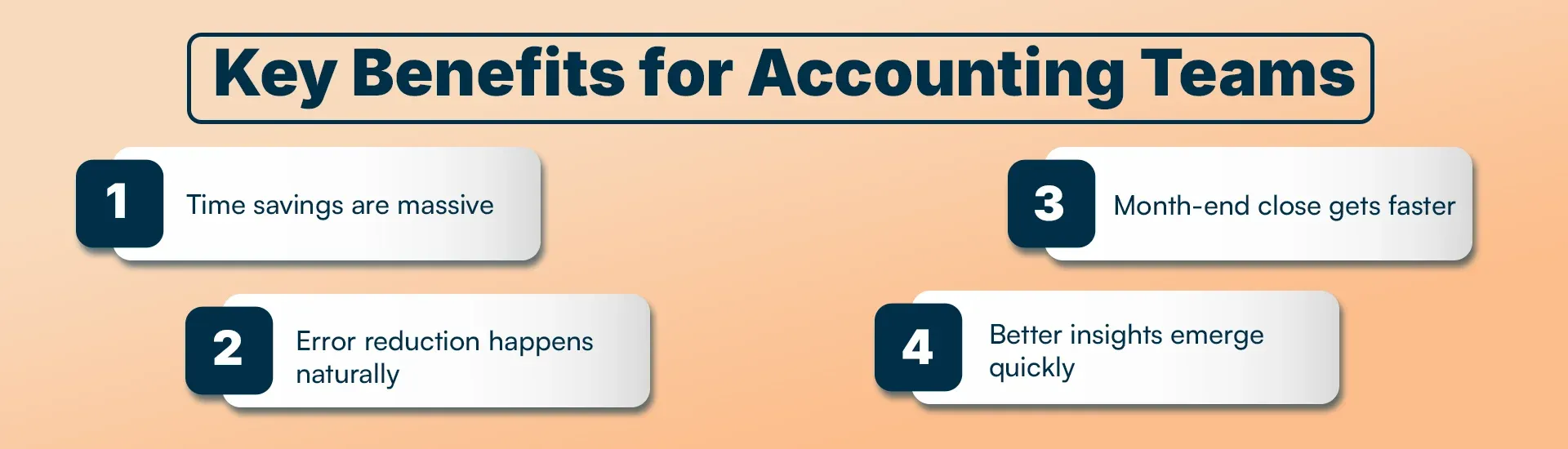
Time savings are massive.
Tasks that used to take hours now take minutes. I am talking about invoice processing, bank reconciliations, and expense categorization. Your team can focus on analysis and strategy instead of data entry.
-
Error reduction happens naturally.
Humans make mistakes when doing repetitive work. AI does not get tired or distracted. It catches duplicate entries, flags unusual transactions, and ensures consistency across thousands of records.
-
Month-end close gets faster.
This is huge. Instead of scrambling for days, many companies now close their books in just hours. The AI handles routine reconciliations and variance analysis automatically.
-
Better insights emerge quickly.
With AI doing the heavy lifting, you get real-time visibility into your financials. Forecasting becomes more accurate because the system learns from historical patterns and identifies trends you might miss.
Best Criteria for Choosing AI Tools in 2026
When you want to find the best accounting and finance AI tool, you should understand that different AI tools have different capabilities. I have seen companies rush into adoption only to face integration nightmares or security concerns.
-
System Integration Requirements
Your AI tool must integrate seamlessly with all your current ERP systems, accounting software, and financial applications. The AI solution must establish a direct connection with your QuickBooks, NetSuite, and Xero systems. The situation will create additional tasks for you to complete instead of reducing your workload.
- Choose solutions that grow with your business.
Your business will grow and change. The AI tool should adapt with you, not force you into rigid workflows. The system should allow you to establish your own rules and create custom categories and approval processes.
-
Security and compliance must be addressed.
Financial data carries sensitive information. The tool you choose must meet industry standards for data encryption, access controls, and regulatory compliance. You should request information about SOC 2 certification and GDPR compliance if those standards apply to your business operations.
-
User-Friendly Design Matters
If your team finds the tool confusing, they will not use it properly. The best AI tools have intuitive interfaces and require minimal training. They should also continuously learn from user feedback to improve accuracy.
Top AI Tools for Accounting in 2026 by Use Case
Now, let us get to the tools themselves. The tools have been organized into specific accounting tasks because that is the way you will use them. Each section presents tools that provide superior solutions to specific problems.
1. Invoice and Accounts Payable Automation
These tools will transform your work process when you need to manage multiple invoices each month. They enable you to establish approval processes, which execute at a faster rate because they remove the need for manual data entry.
-
Vic.ai
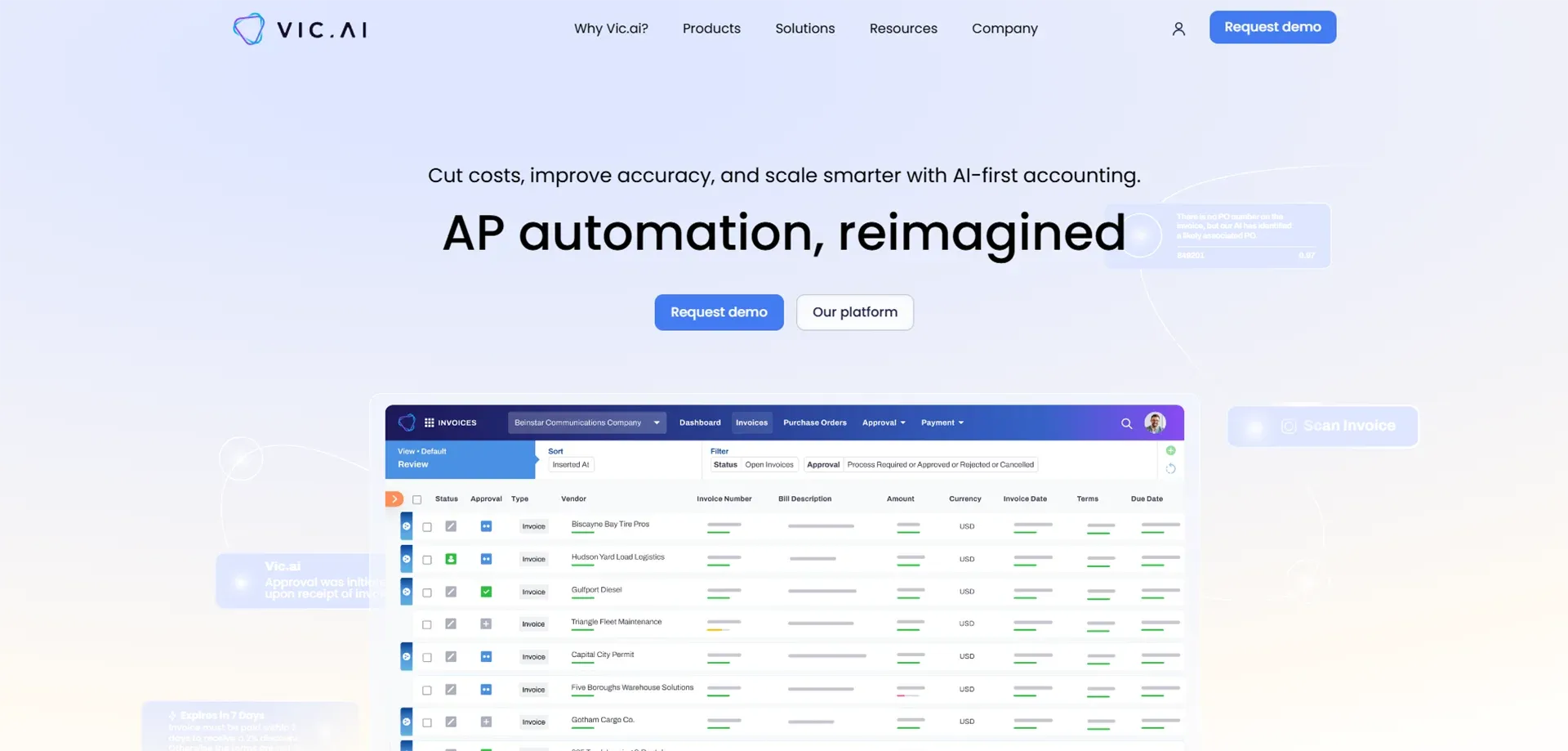
Vic.ai stands out for autonomous AP processing. It manages every step, which begins with invoice capture and continues until payment processing.
-
Expensify
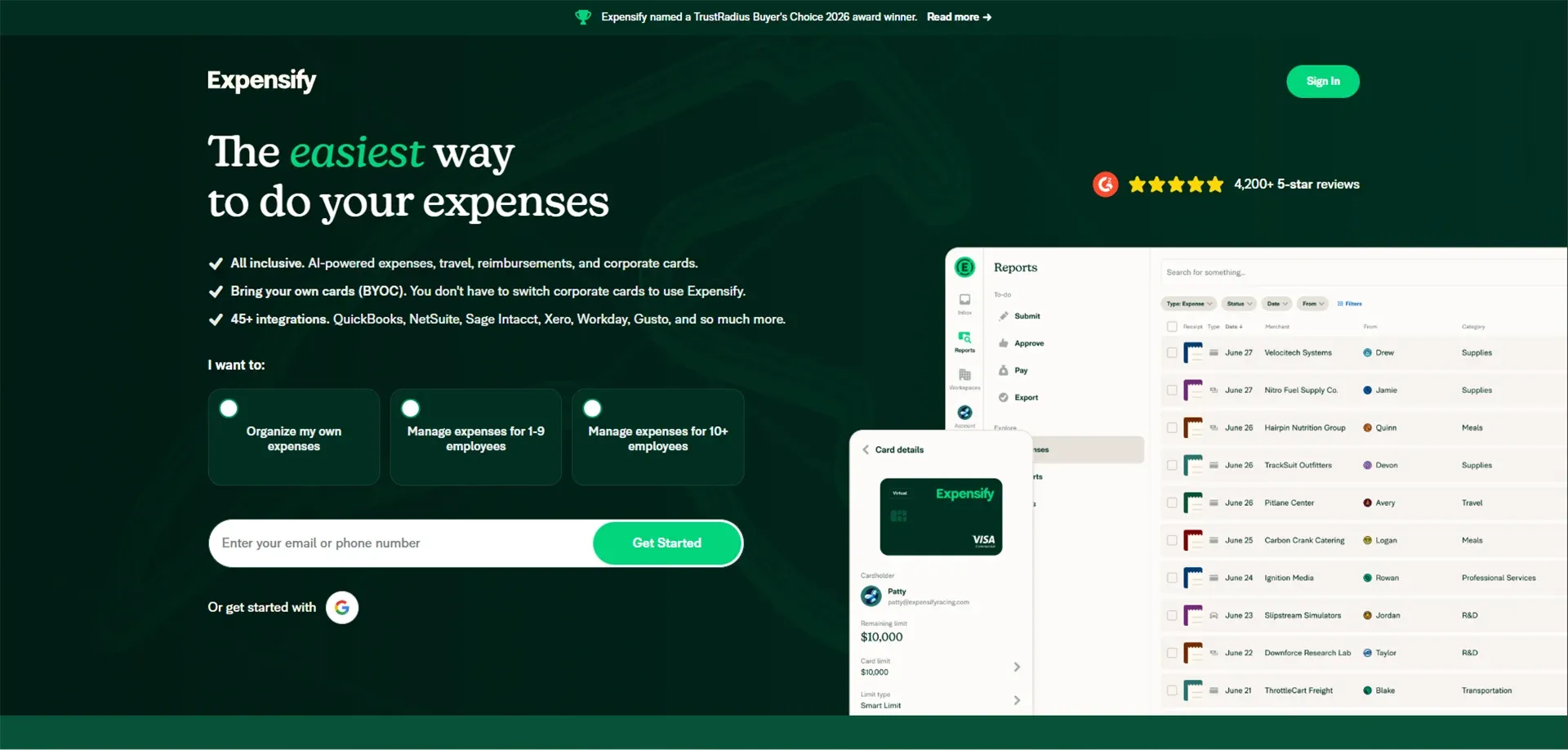
Expensify focuses on receipt scanning and expense automation. Employees simply photograph receipts, and the AI extracts all relevant data instantly. It integrates with most accounting systems and makes expense reporting painless.
-
Ramp
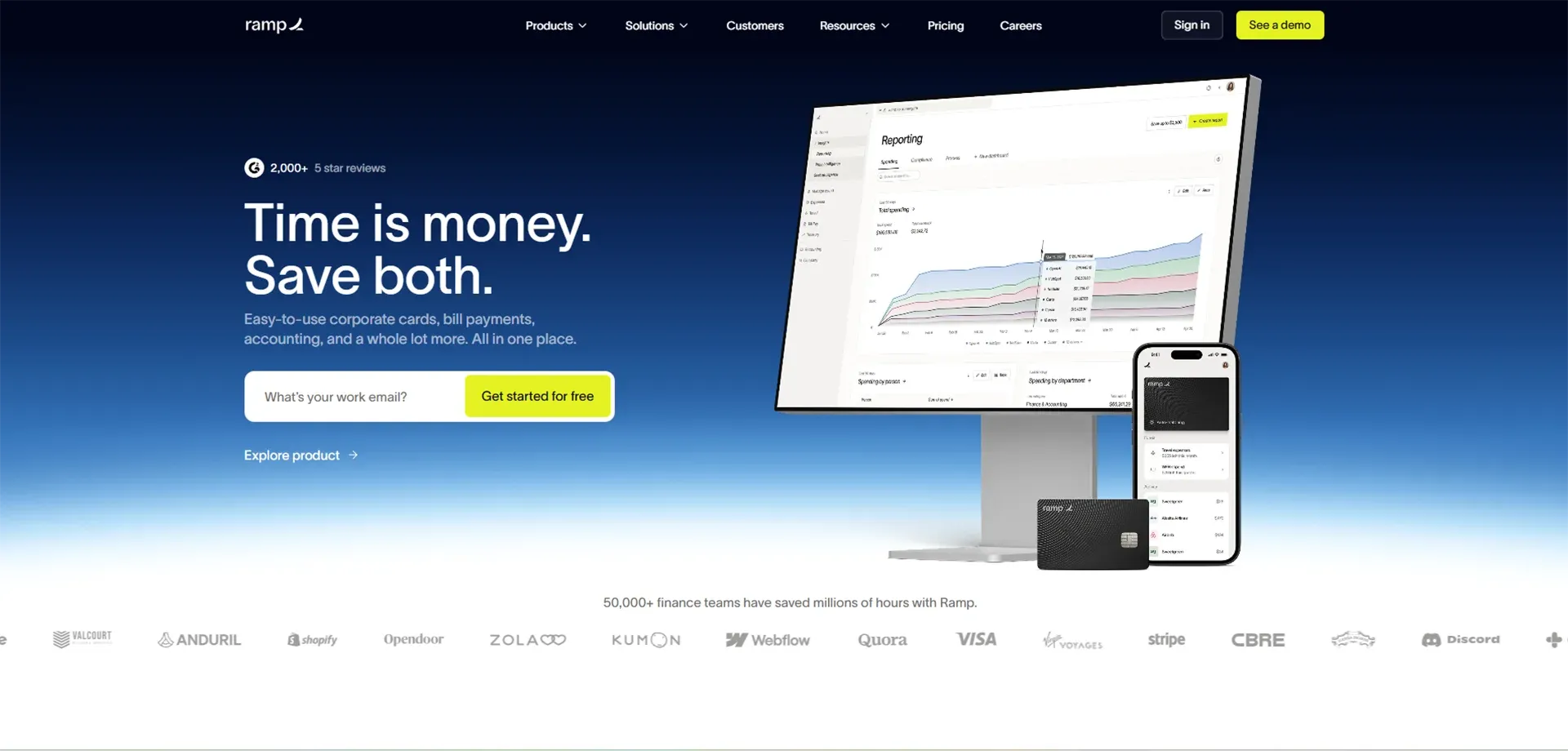
Ramp combines AI invoice processing with spend management. The system automates all AP functions while helping you discover potential cost reductions for your vendor expenses. The platform observes your approval system, which helps it create a smoother work approval process.
2. Bookkeeping and General Ledger Automation
These tools enable small enterprises and accounting companies to execute daily bookkeeping operations with reduced personnel needs.
-
Botkeeper
offers hybrid AI bookkeeping designed specifically for accounting firms. The system uses machine learning together with human supervision to deliver precise results while decreasing the requirement for manual processes. The system executes automatic processing, which includes transaction categorization,d account reconciliation, and financial statement generation.
-
Truewind
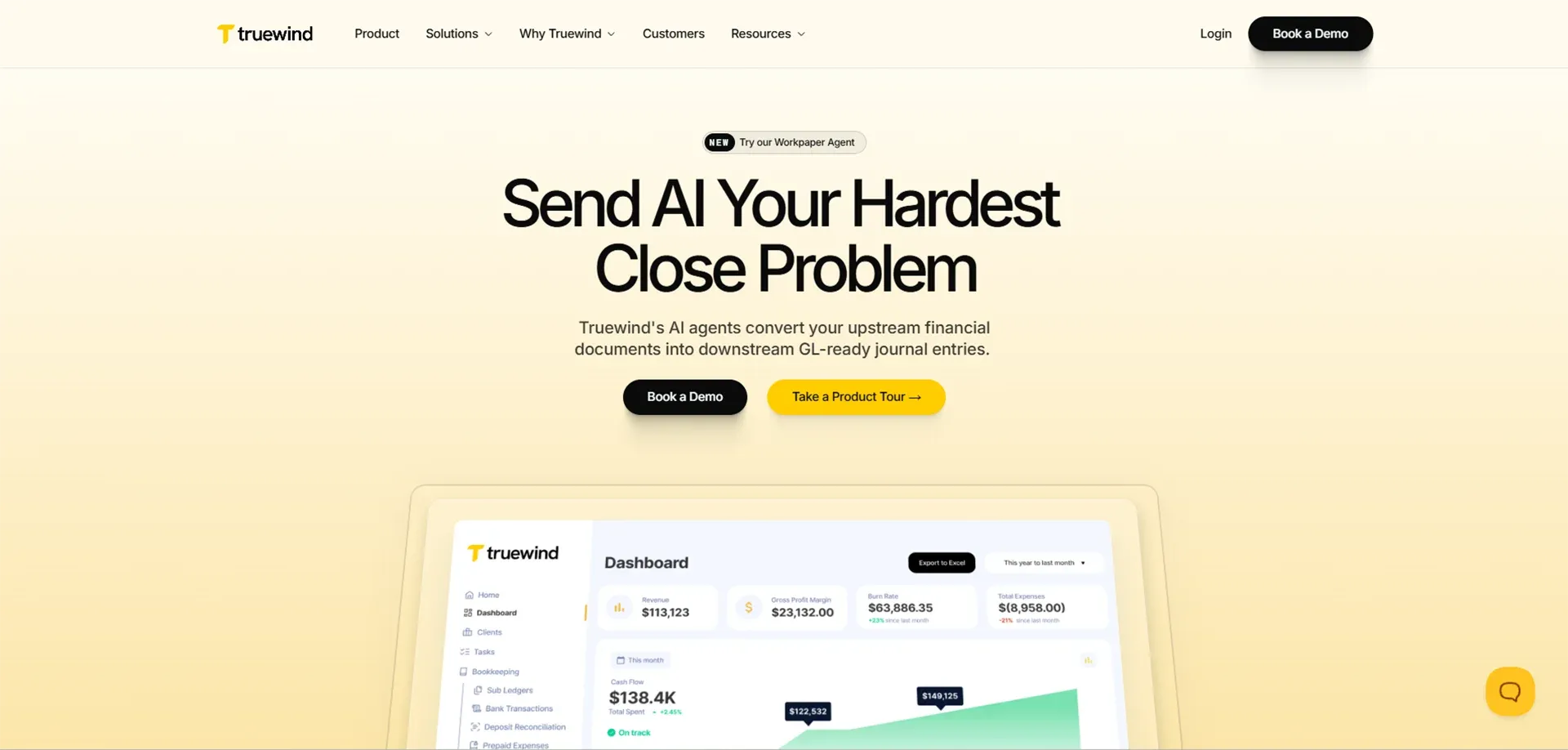
provides automated bookkeeping plus CFO-level insights. The service has gained popularity among startups that require financial reporting services without the need to recruit complete finance departments. The AI generates monthly financials and identifies key business metrics.
-
Zeni.ai
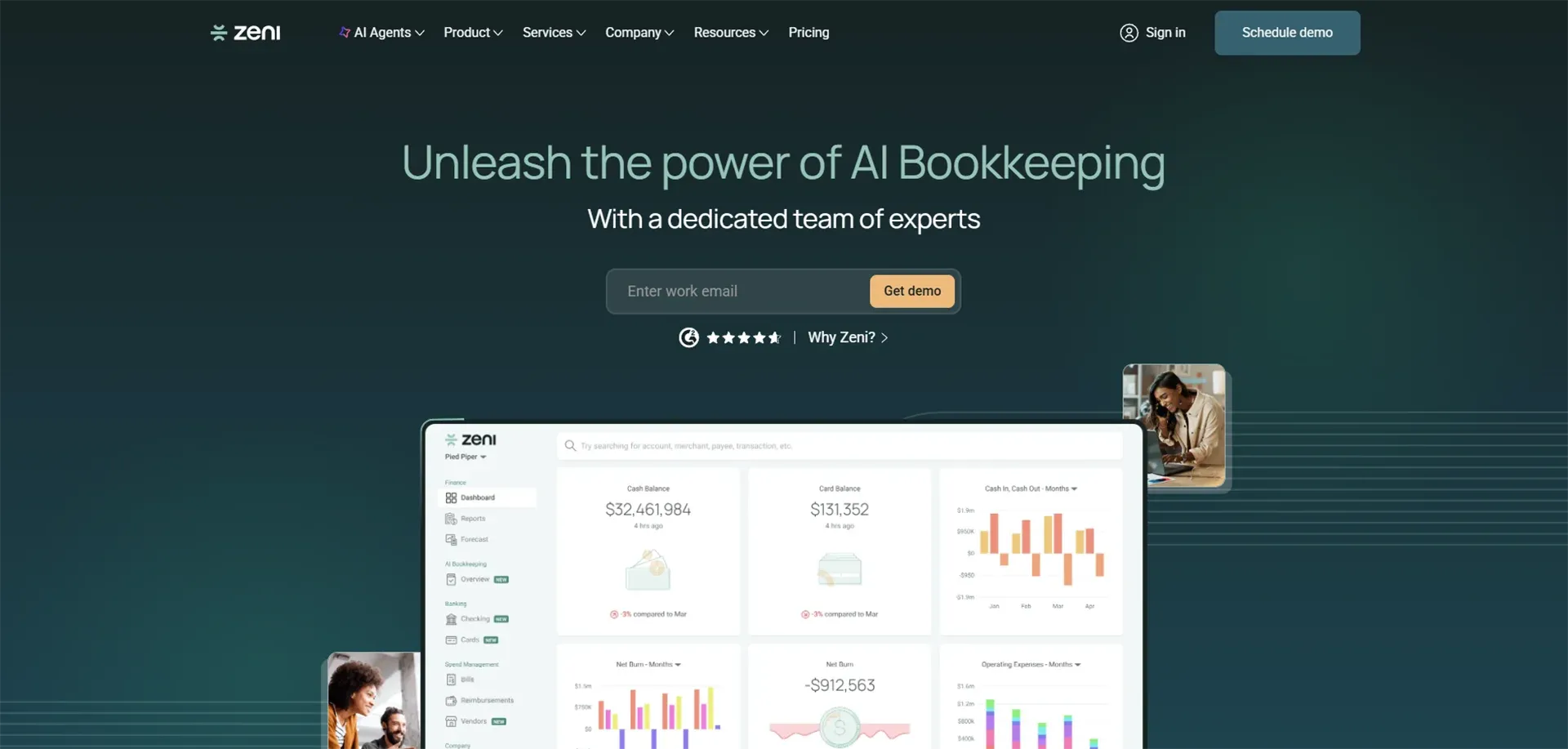
delivers AI-powered finance operations tailored for startups. Beyond bookkeeping, it offers tax services and financial dashboards that help founders understand their burn rate and runway. The platform combines automation with access to human accounting experts when needed.
3. Month-End Close and Reconciliation
The accounting teams experience their most intense stress period during the month-end closing process, which requires multiple days to complete. The tools create a major time reduction for their work process.
-
Numeric
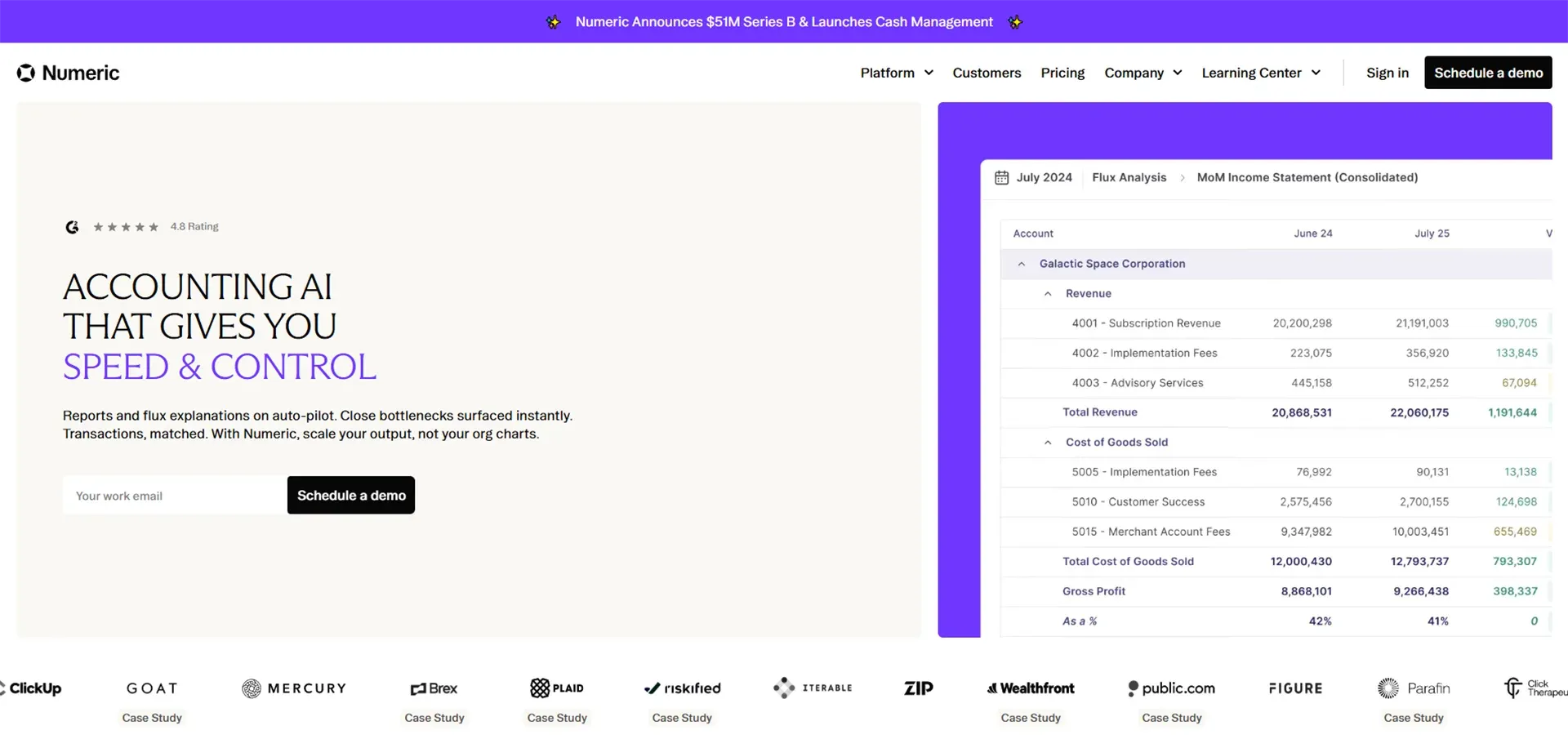
provides AI-based solutions for managing financial closing procedures. The system handles all tasks for reconciliation while it conducts flux analysis to identify budget differences and tracks all activities until completion.
Numerous users have reported a 50% time reduction for their financial closing process.
-
BlackLine
provides enterprise-level close automation. The platform assists large organizations in managing their complex reconciliation process, which requires multiple entity and currency operations. The system generates complete audit records together with all necessary compliance documents without user involvement.
-
FloQast
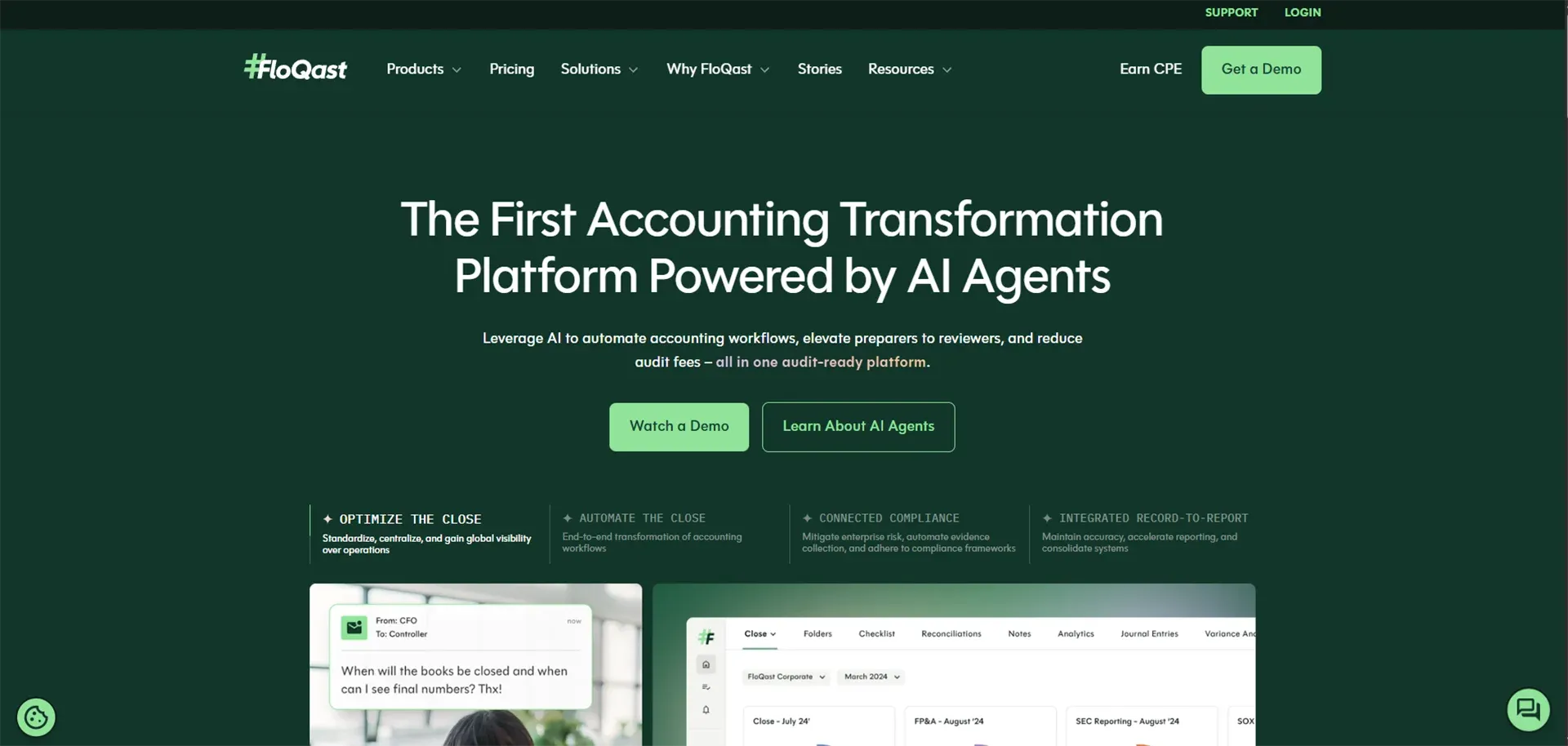
enables teams to work together during the financial closing process. The system helps team members work together by organizing tasks while it monitors their task progress and detects delays that occur during work. The AI helps users select which reconciliations to evaluate first while it recommends ways to enhance existing operations.
4. Research, Reporting, and Forecasting
The tools deliver necessary intelligence when your organization requires extensive financial data review to achieve better prediction results.
-
Datarails
Datarails enables advanced financial analysis through its capacity to merge various financial data sources into one platform. FP&A teams benefit from this tool because they can create models and reports while performing analysis without needing to deal with spreadsheet software.
-
AlphaSense
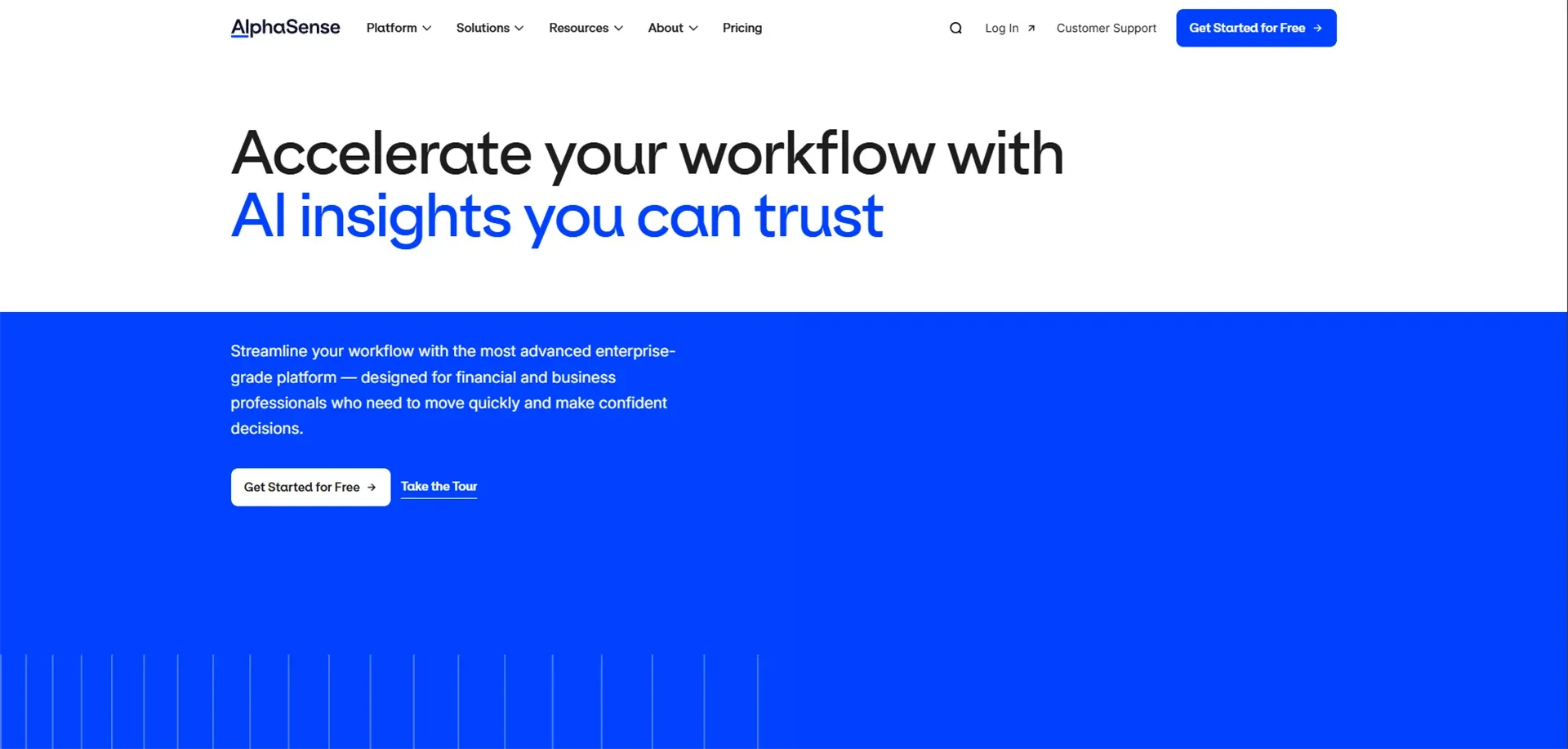
AlphaSense uses AI to research financial documents at scale. The system processes earnings calls together with reports and filings to extract information in a rapid manner. The tool enables users to save multiple hours of research time when conducting competitive analysis or market research.
-
Digits
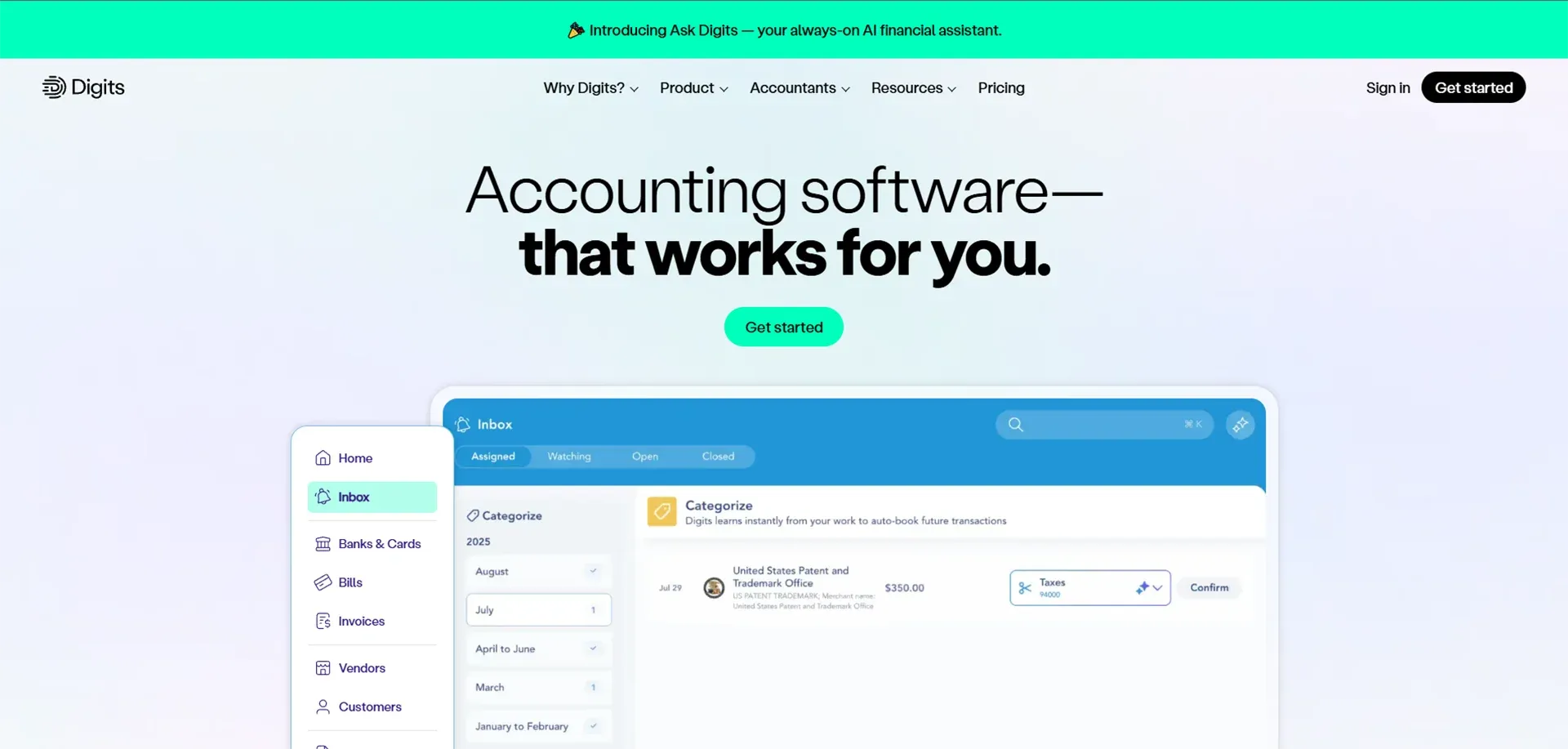
Digits provides businesses with real-time financial visibility through its AI-powered financial insights. The system establishes a connection with your accounting software to monitor all transactions while it sends alerts about any unusual patterns that could lead to problems.
AlsoRead: Generative AI in Accounting: Transform Financial Operations
5. Practice and Firm-Level Productivity Tools
Accounting firms require software solutions that boost productivity while they deliver services to different clients throughout various operational processes.
-
TaxDome

TaxDome provides practice management with built-in workflow automation. The system manages client interactions and document handling while tracking tasks through AI-based process optimization, in which it reduces administrative work requirements.
-
QuickBooks
QuickBooks Online with AI features has evolved significantly. The platform now provides intelligent reconciliation, which adapts based on user selections while producing better forecasts through bank feed information. The AI enhancements bring immediate value to small businesses that use QuickBooks.
-
Xero with AI tools
 uses machine learning to process transaction data through its system.
Industry-Specific Use Cases of AI Tools
AI tools now provide specialized solutions that extend beyond standard accounting functions because different industries and regulatory requirements mandate specific needs. The implementation of artificial intelligence systems creates substantial advantages for organizations that need to track risk and ensure regulatory compliance.
The system conducts continuous transaction monitoring to detect compliance violations while it automatically generates audit trails and identifies suspicious transaction patterns. The new system enables organizations to adjust their operations according to evolving rules at a speed that exceeds the capabilities of their existing manual procedures.
Best Practices for Adopting AI Tools in Modern Accounting Workflows
The effectiveness of your tools depends on your ability to execute their use. I have seen companies waste money and create team frustration because they rushed to implement new technologies. Here is how to do it right.
-
Start by identifying pain points.
AI adoption should not occur because people think it should exist. Ask your team where they spend the most time on manual work. Focus on solving those specific problems first rather than trying to automate everything at once.
-
Pilot tools before full rollout.
Choose one process or department to test the tool. Start by gathering results. This method establishes pre-implementation testing, which builds user confidence and reduces implementation risks.
-
Preparing Teams for AI Collaboration
AI systems provide strong capabilities, but they have limitations. Your team needs to understand how the tool works, when to trust it, and when to investigate further. Proper training ensures humans and AI complement each other effectively.
-
Review Security and Data Governance
You need to perform a security assessment of the AI tool before connecting it to your financial systems. You need to understand three things about data, including storage methods and access control, as well as procedures for ending service.
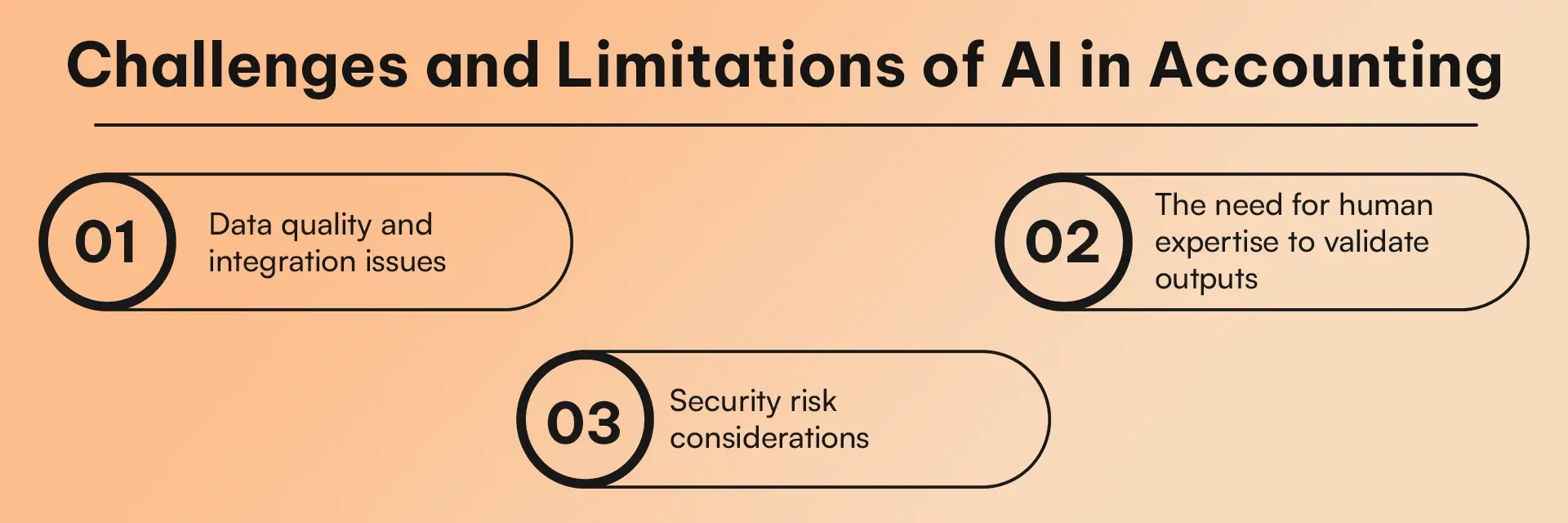
Challenges and Limitations of AI in Accounting
The truth is that AI tools function as automatic solutions that break all problems into immediate resolutions. The process of using these tools becomes easier when you understand their restricted abilities.
-
Data quality and integration issues
AI systems fail mainly because of problems with data quality and integration. The AI system will have difficulty processing data when your source data contains both messy and inconsistent information. The system will develop trust issues because of automation errors that emerge from improper system integration.
-
Human Validation of AI Outputs
Organizations need human experts who validate outputs because their expertise remains necessary for this process. AI can process data faster than any human, but it lacks business context and judgment. Accountants need to examine results that emerge from complex transactions and uncommon situations.
-
Security risk considerations
People need to pay close attention to security risks. Every AI tool you add creates another potential entry point for cyberattacks. Your organization must find a way to achieve efficiency improvements while meeting all security standards.
The Future of AI in Accounting: What's Coming Next
The current AI tools available present only the initial stage of development. The current state of the industry demonstrates to me the future direction of progress.
Businesses will adopt both intelligent process automation and agentic AI as their standard operating procedures. AI agent will take control of complete workflow processes through their ability to make decisions and execute tasks without needing human assistance.
The combination of predictive and prescriptive analytics will enable companies to transform their financial data usage for strategic planning purposes. AI will provide past event reporting as well as future event forecasting and specific action recommendations to help organizations achieve better results.
Conclusion
AI has transformed from being an accounting luxury into a valuable operational advantage that businesses can use to their benefit. The top AI accounting software solutions enable companies to achieve faster operations, which decreases expensive errors while providing them with straightforward financial information.
Businesses can find appropriate solutions for their requirements because AI tools exist to assist accountants with their daily tasks, while advanced AI tools for finance and accounting support better forecasting and decision-making processes.
The correct tools chosen by businesses today will establish an accounting system that operates with greater effectiveness and precision while remaining prepared for future demands.If you're ready to modernize your accounting workflows with AI-driven automation, RejoiceHub can help. Our team specializes in AI integration and intelligent automation solutions tailored to your business needs ensuring secure implementation, seamless system integration, and scalable growth.
Frequently Asked Questions
1. What are AI tools for accounting in 2026?
AI tools for accounting in 2026 are intelligent software platforms that automate bookkeeping, invoicing, reconciliation, forecasting, and financial analysis using machine learning and predictive models to improve accuracy and efficiency.
2. How do AI tools help accountants save time?
AI tools automate repetitive tasks such as data entry, invoice processing, bank reconciliation, and expense categorization, reducing manual workload and allowing accountants to focus on financial strategy and advisory services.
3. Are AI accounting tools safe for financial data?
Yes, most enterprise-grade AI accounting tools use encryption, role-based access control, SOC 2 compliance, and GDPR standards to protect sensitive financial information.
4. What is the best AI tool for invoice processing?
Vic.ai, Ramp, and Expensify are among the best AI tools for invoice and accounts payable automation in 2026, offering smart data extraction, approval workflows, and payment processing.
5. Can AI replace human accountants?
No, AI does not replace accountants. It enhances their work by handling routine tasks while humans focus on complex decision-making, compliance, and financial strategy.
6. Which AI tools are best for the month-end close?
Numeric, BlackLine, and FloQast are top AI tools for speeding up the month-end close process through automated reconciliations, task tracking, and audit-ready documentation.
7. How accurate are AI accounting tools?
AI accounting tools can reach high accuracy levels when trained on clean and consistent data, but human review is still essential for complex transactions and regulatory compliance.
8. What businesses benefit most from AI in accounting?
Startups, small businesses, accounting firms, and enterprises benefit from AI tools by reducing costs, improving reporting speed, and gaining real-time financial insights.
9. Do AI tools integrate with QuickBooks and Xero?
Yes, most modern AI accounting platforms integrate seamlessly with QuickBooks, Xero, NetSuite, and other major ERP and accounting systems.
10. What is AI-powered financial forecasting?
AI-powered forecasting uses historical data, trends, and predictive models to estimate future cash flow, revenue, expenses, and financial risks with greater accuracy.
11. How much do AI accounting tools cost?
Pricing varies widely, ranging from affordable monthly subscriptions for small businesses to enterprise-level custom pricing for large organizations.
12. What skills do accountants need to work with AI?
Accountants should understand data interpretation, system integration, AI validation processes, and financial analysis to work effectively with AI-powered tools.
13. What is the future of AI in accounting?
The future includes autonomous AI agents, predictive and prescriptive analytics, and fully automated financial workflows that support real-time decision-making and strategic planning.