
When I first started my journey in the startup world, I quickly realized something important. Running a startup isn't just about having a great idea. It's about doing ten jobs at once with half the resources you actually need. Sound familiar? I remember sitting at my desk at 11 PM, trying to write marketing copy, design social media posts, manage customer emails, and somehow still find time to build the actual product. That's when I discovered AI tools for startups, and honestly, they changed everything for me.
Today, I want to share what I've learned about the best AI tools for startups that can help you work smarter, not harder. Whether you're a solo founder or leading a small team, this guide will show you exactly which tools can make your life easier.
Why AI Tools Actually Matter for Your Startup
I'll tell you what sold me on AI tools. It wasn't the fancy features or the cool technology. It was the practical results I saw in my own work.
-
You'll Save Real Money
In my experience, automation through AI can cut your operational costs significantly. Instead of hiring five people to handle different tasks, you can start with two people using the right AI tools. I'm not saying don't hire people. I'm saying you can grow smarter and invest your limited funds where they matter most.
-
You Get a Competitive Edge
Here's something that surprised me. About 90% of organizations are already using AI in some form. If you're not using these tools, you're already behind. I learned this the hard way when I noticed competitors launching campaigns faster and responding to customers quicker than I could.
-
Your Time Becomes More Valuable
Time is the one thing you can't buy more of as a founder. AI tools gave me back hours every week. Hours I could spend on strategy, talking to customers, or actually sleeping for once. The time efficiency alone makes these tools worth it.
-
You Make Better Decisions
One thing I love about AI tools is how they help you understand your data. Instead of guessing what your customers want, you get actual insights. You can see patterns, predict trends, and make decisions based on facts, not just gut feeling.
The Best AI Tools for Startups in 2026
Now, let me walk you through the top AI tools for startups that I actually use and recommend. I've organized them by category so you can find exactly what you need.
1. Automation and Workflow Tools
-
Activepieces
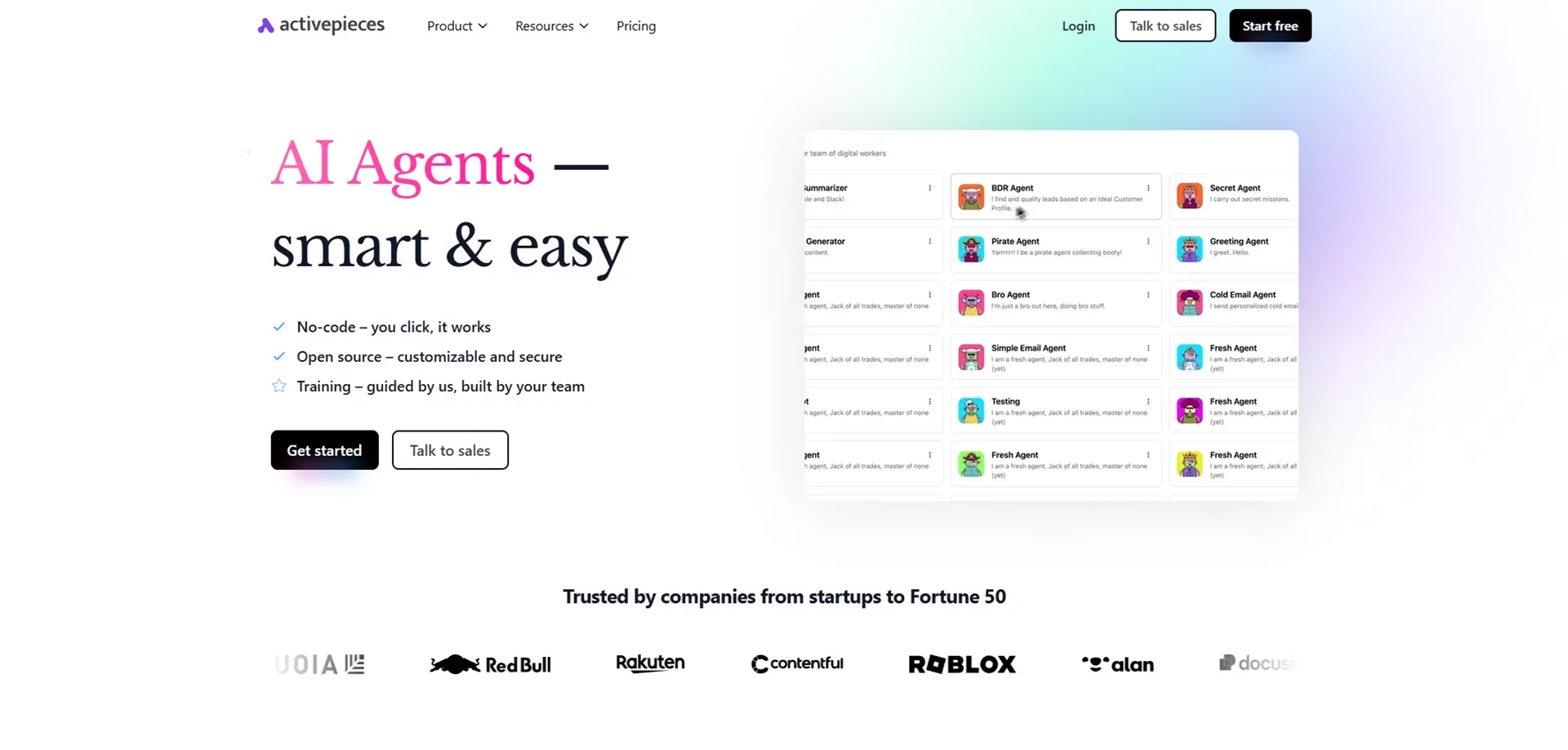
If you're going to start anywhere, start here. Automation tools are the foundation of everything else. Activepieces has been a game-changer for me. It's an AI-native automation platform with over 413 integrations. What I love most is that it has a no-code builder, so even if you're not technical like me, you can set up powerful automations. I use it to connect my email marketing, CRM, and customer support tools. The free plan gives you 1,000 tasks per month, which is perfect when you're just starting.
-
ClickUp
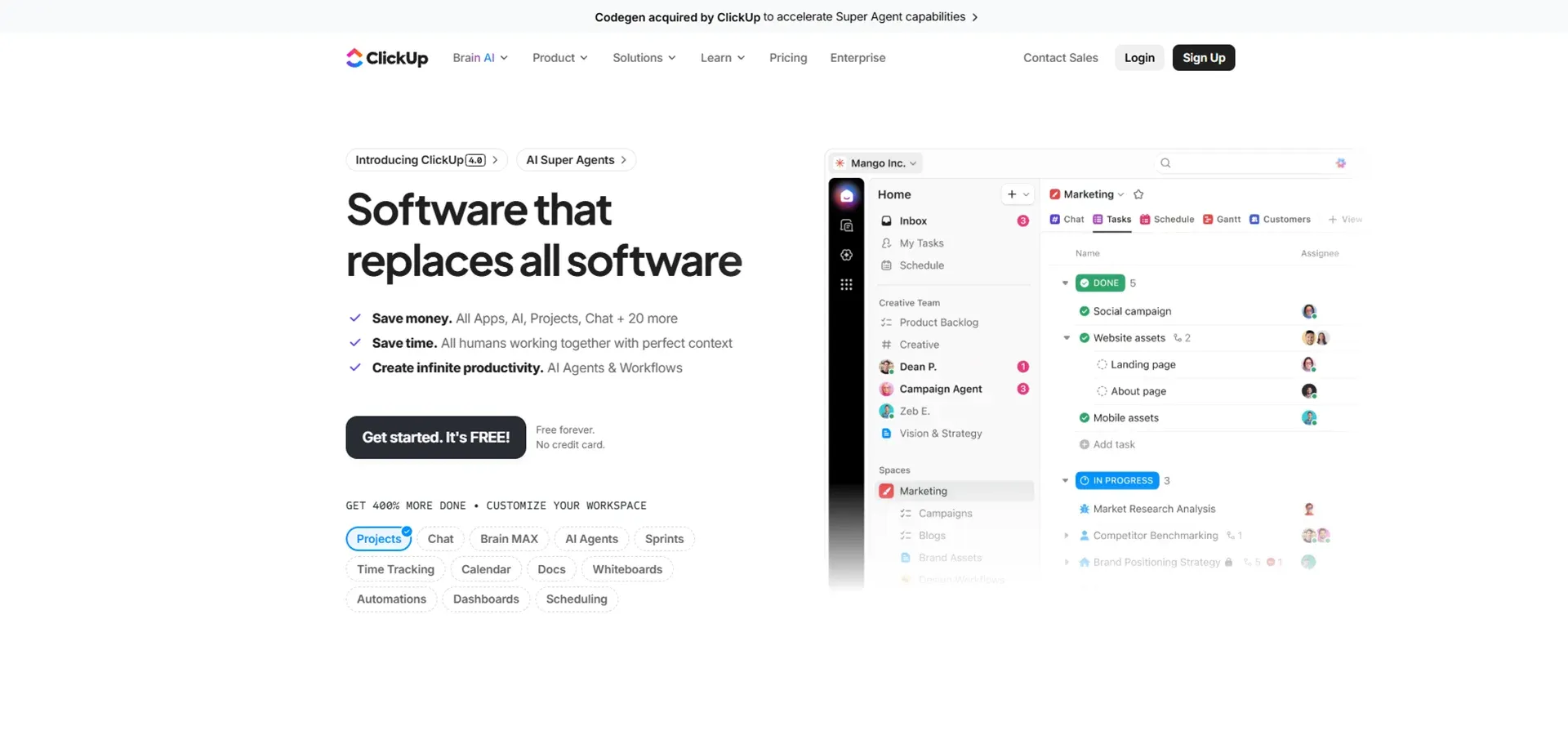
ClickUp handles all my project management. I can track tasks, set deadlines, and see what everyone's working on. It keeps my small team organized without constant meetings.
-
Motion
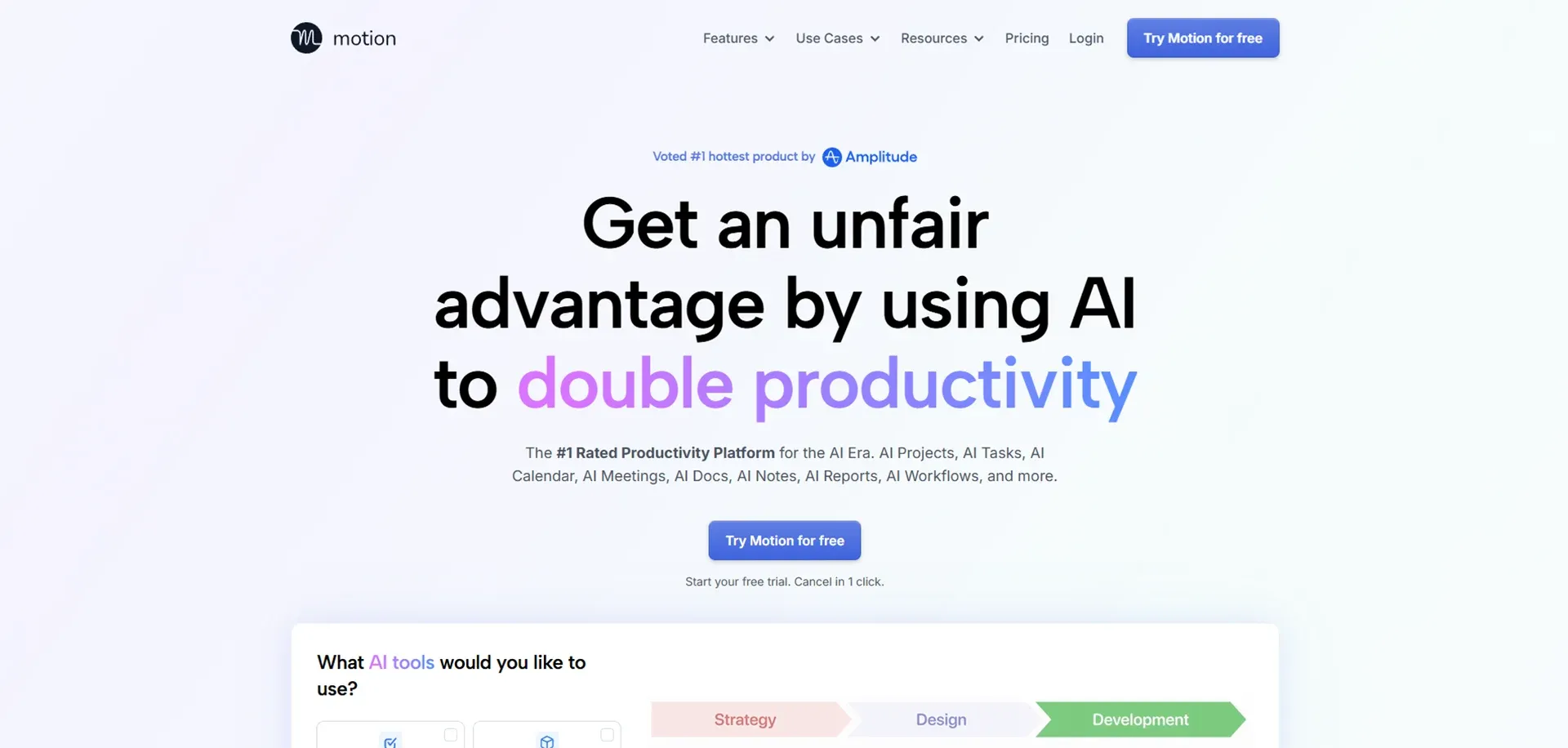 Motion is my smart scheduling assistant. It automatically finds the best times for meetings and blocks focus time on my calendar. No more back-and-forth emails trying to find a time that works.
2. Content Creation Tools
Content is everything in the startup world. You need blog posts, social media updates, emails, and more. Here's what helps me create content faster.
-
ChatGPT
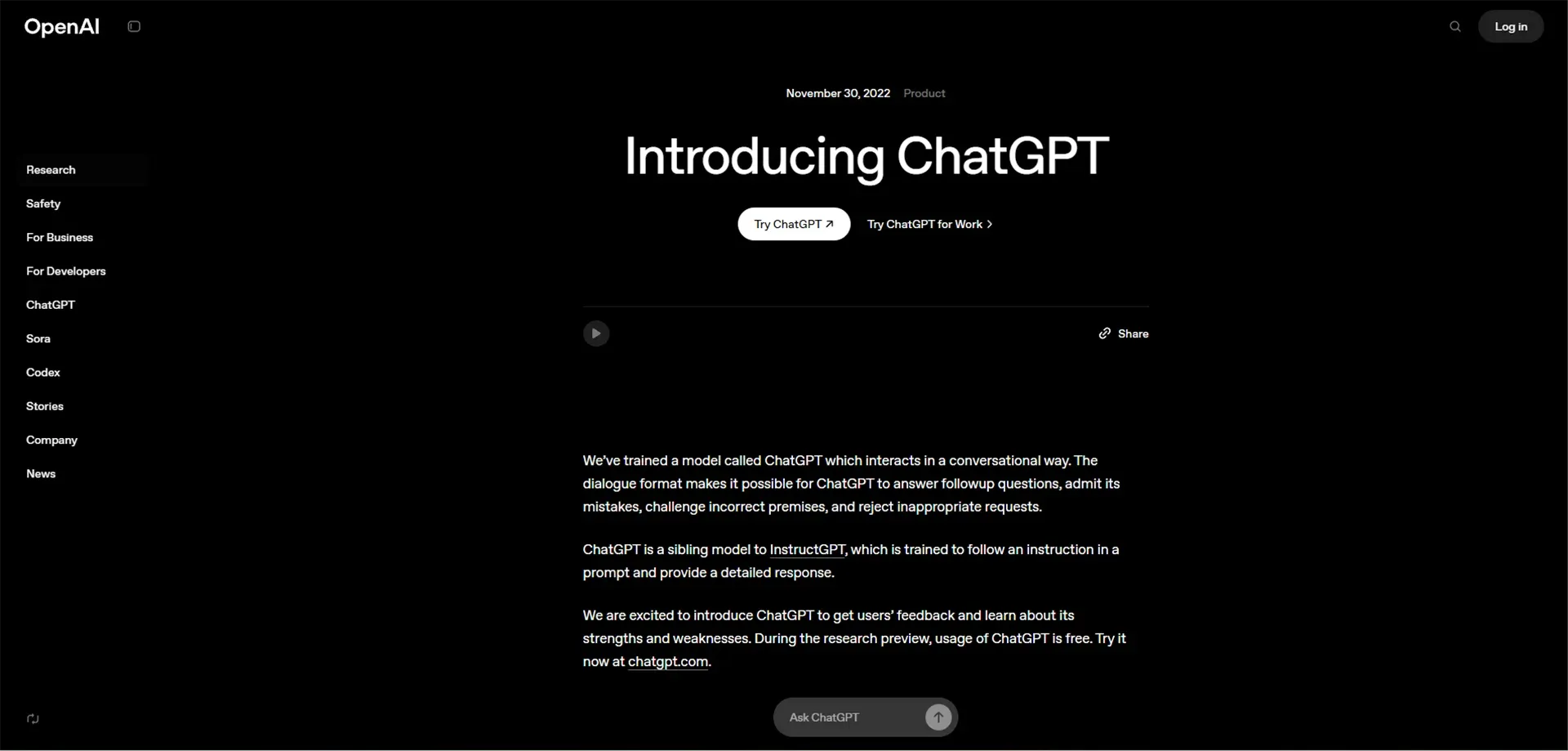
ChatGPT is probably the most versatile tool I use. I brainstorm blog ideas with it, draft email responses, and even work through complex problems. The free version is surprisingly powerful, but I upgraded to the Plus plan for $20 per month because I use it so much.
-
Jasper AI
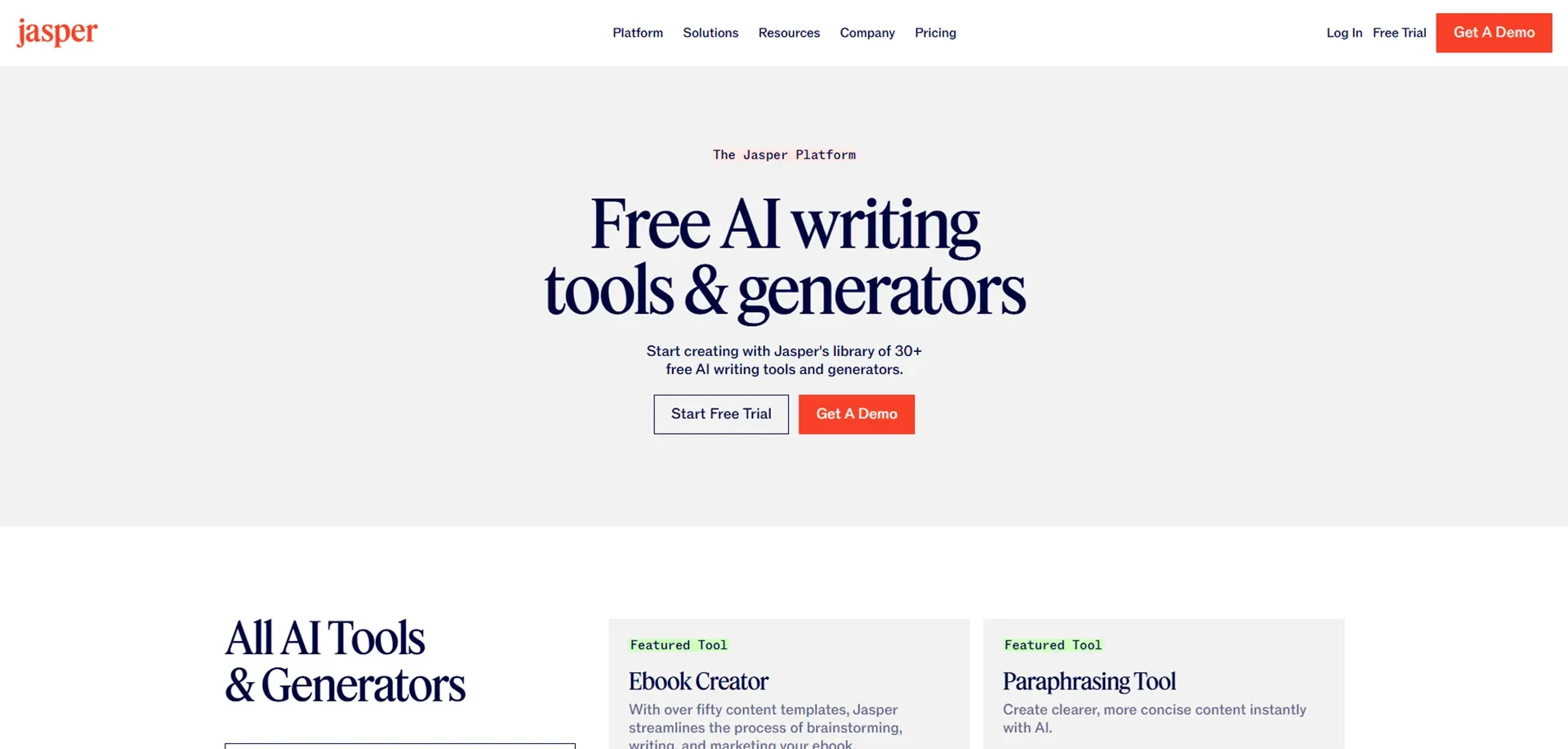
Jasper AI specializes in long-form content. When I need to write detailed blog posts or guides, Jasper helps me get the first draft done in a fraction of the time.
-
Copy.ai
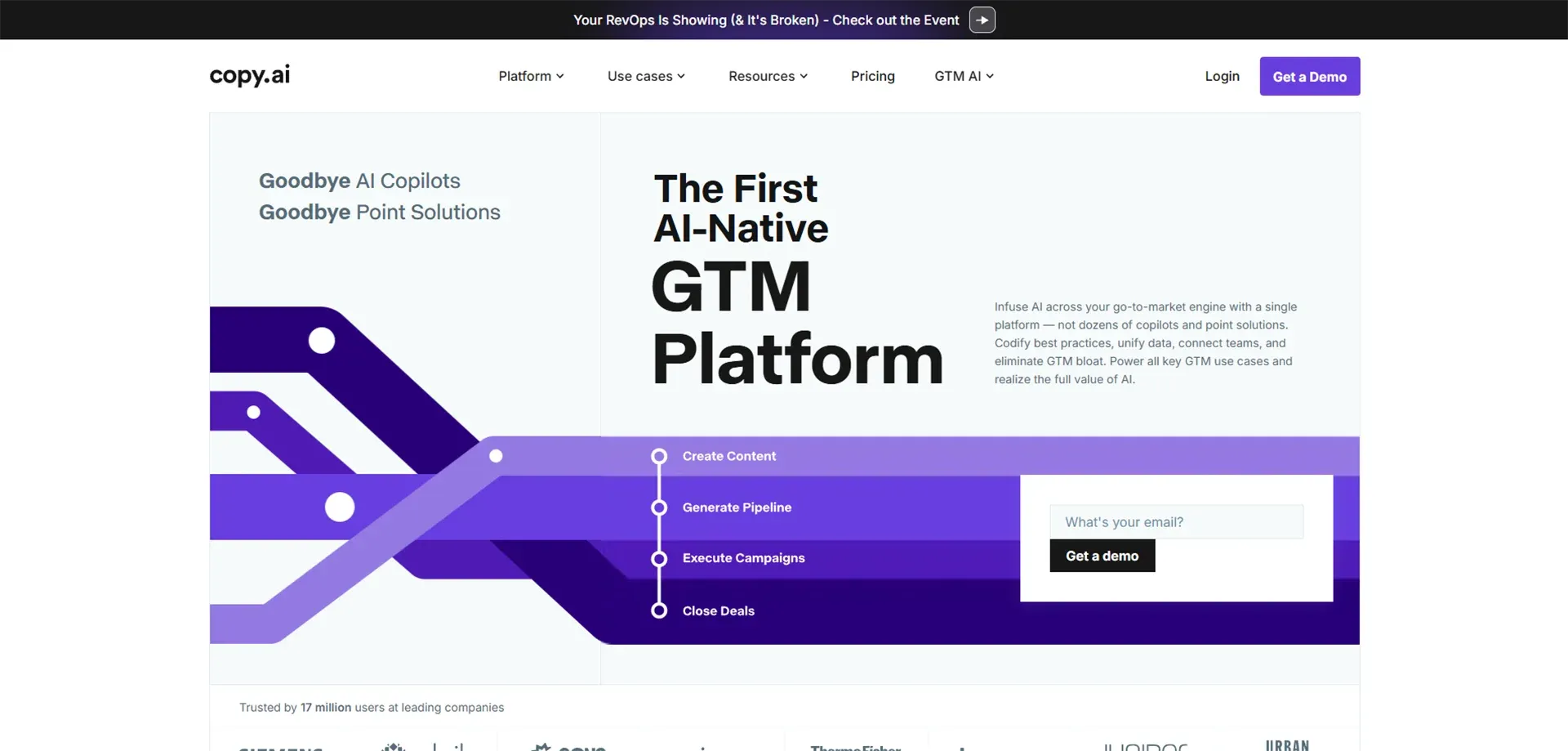
Copy.ai is my go-to for marketing copy. Product descriptions, ad text, and landing page headlines it handles all of that quickly. Grammarly keeps my writing clean and professional. It catches grammar mistakes I miss and suggests better ways to phrase things. The tone detection feature has saved me from sending emails that sounded wrong.
-
3. Design and Visual Tools
I'm not a designer, but I need professional-looking graphics. These tools make that possible.
-
Canva AI
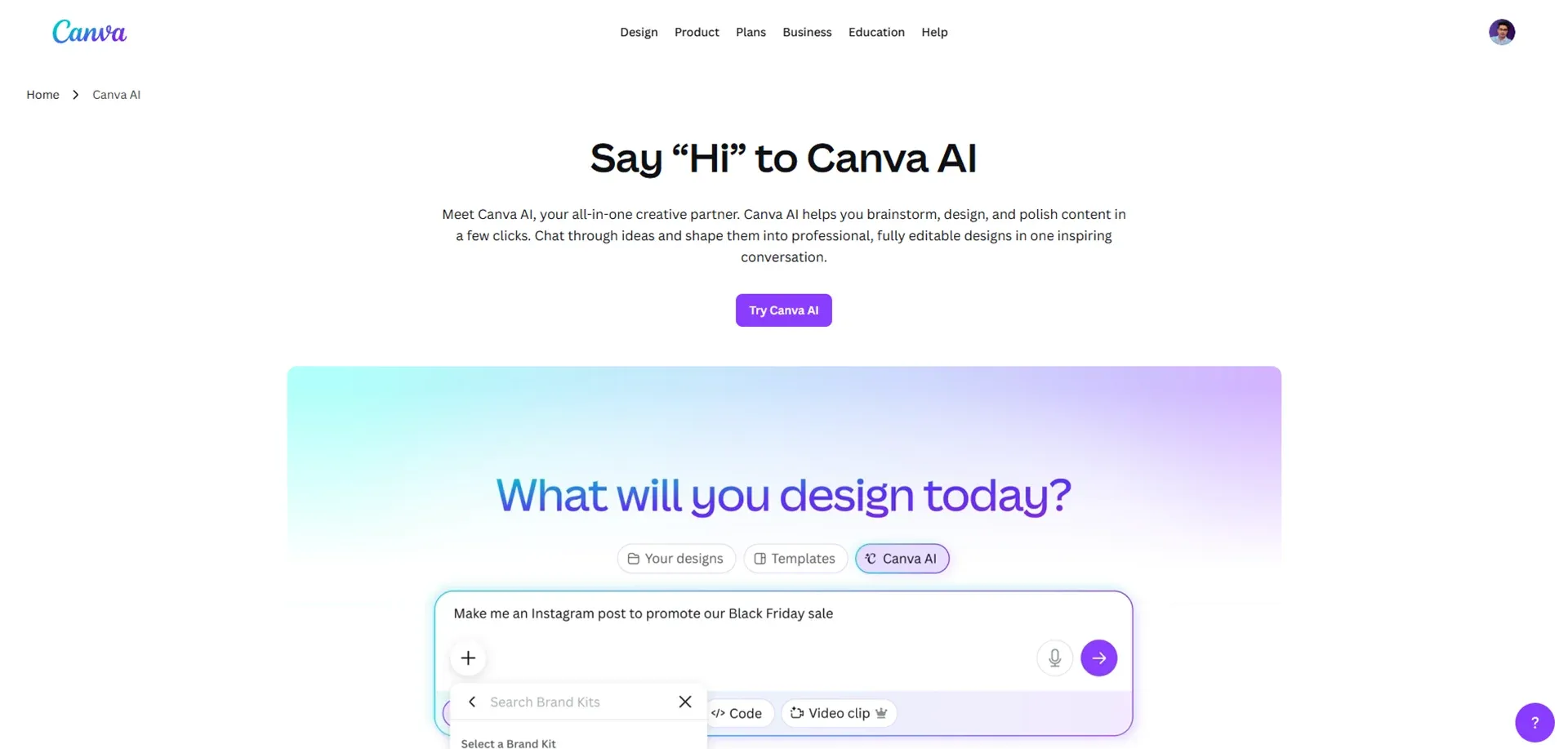
Canva AI is one of my favorite tools for quick, professional designs. The Magic Design feature is honestly impressive. I just describe what I need, and it instantly generates ready-to-use templates. I use it regularly for social media posts, presentations, marketing creatives, and even basic logo concepts. The Pro plan at $15 per month easily pays for itself if you create content consistently.
-
DALL-E
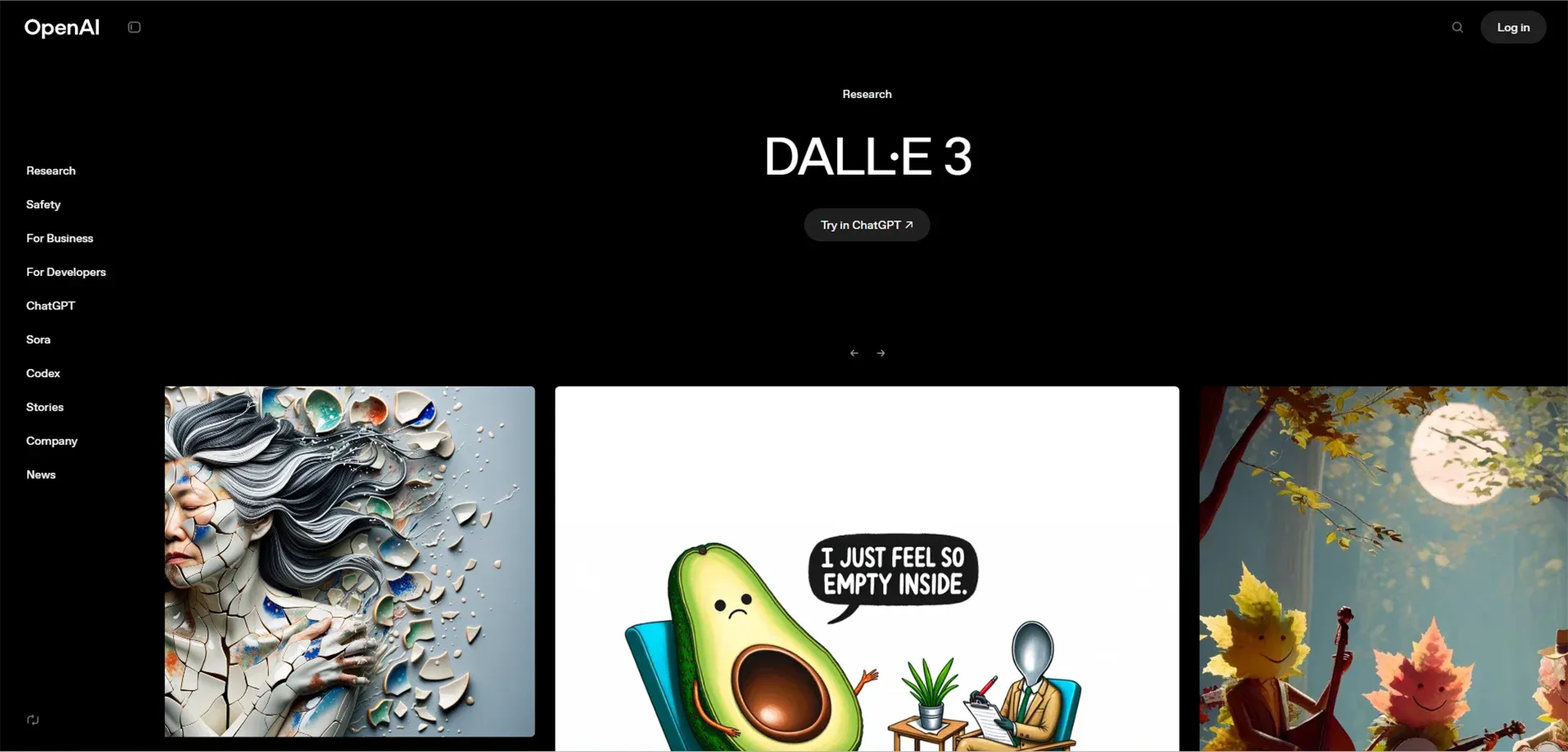
DALL·E is my go-to tool when I need completely unique visuals. Instead of searching endlessly through stock photos, I simply describe the image I have in mind, and it generates something original. It’s especially helpful for blog featured images, ad creatives, and concept art where generic visuals just won’t work.
-
Looka
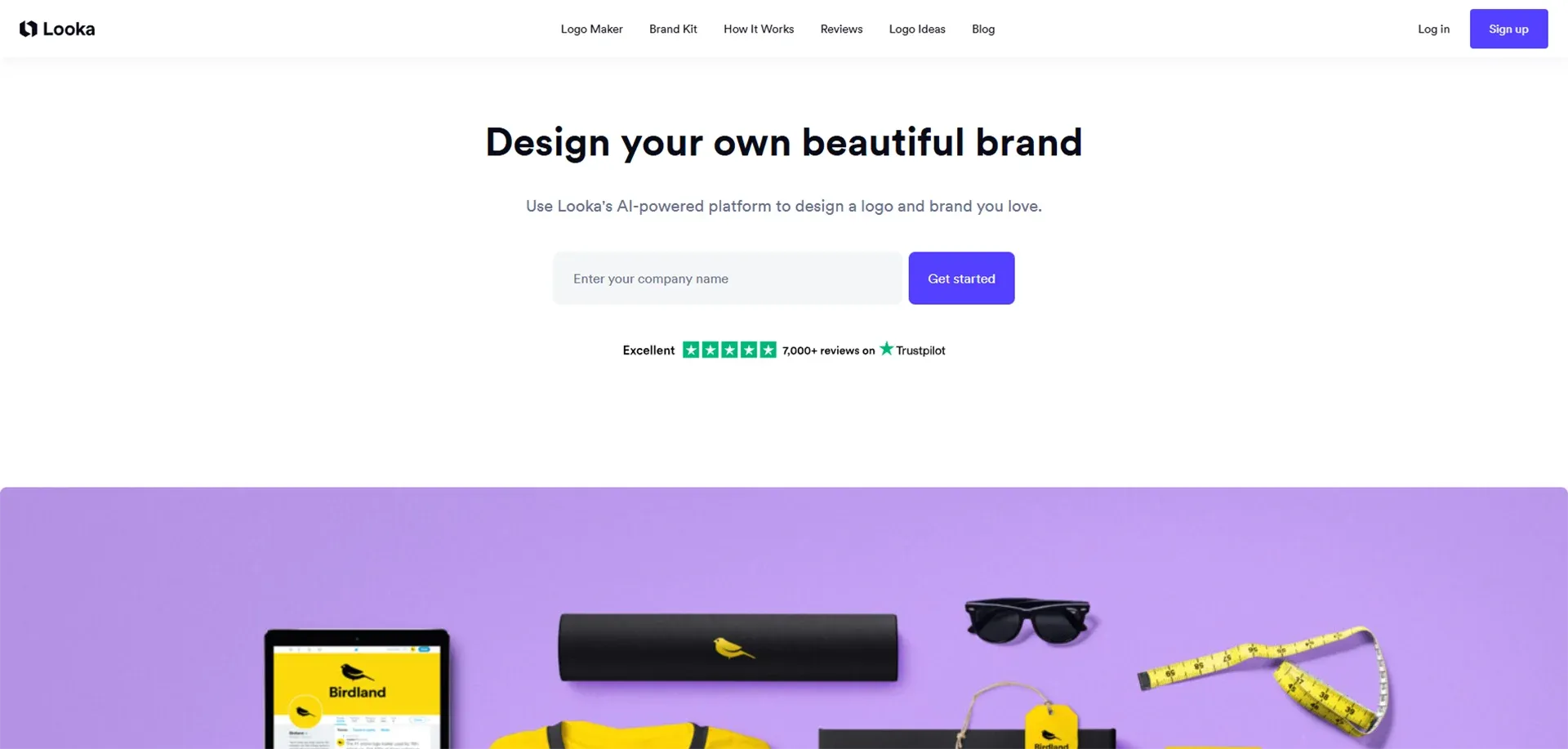
Looka made logo creation surprisingly simple for me. When I was working on a startup project, it generated dozens of logo options in minutes after asking a few questions about style and brand preferences. It’s perfect if you need a clean, professional logo fast without hiring a designer right away.
4. Marketing and SEO Tools
Getting found online is crucial, and these tools help with that.
-
HubSpot AI
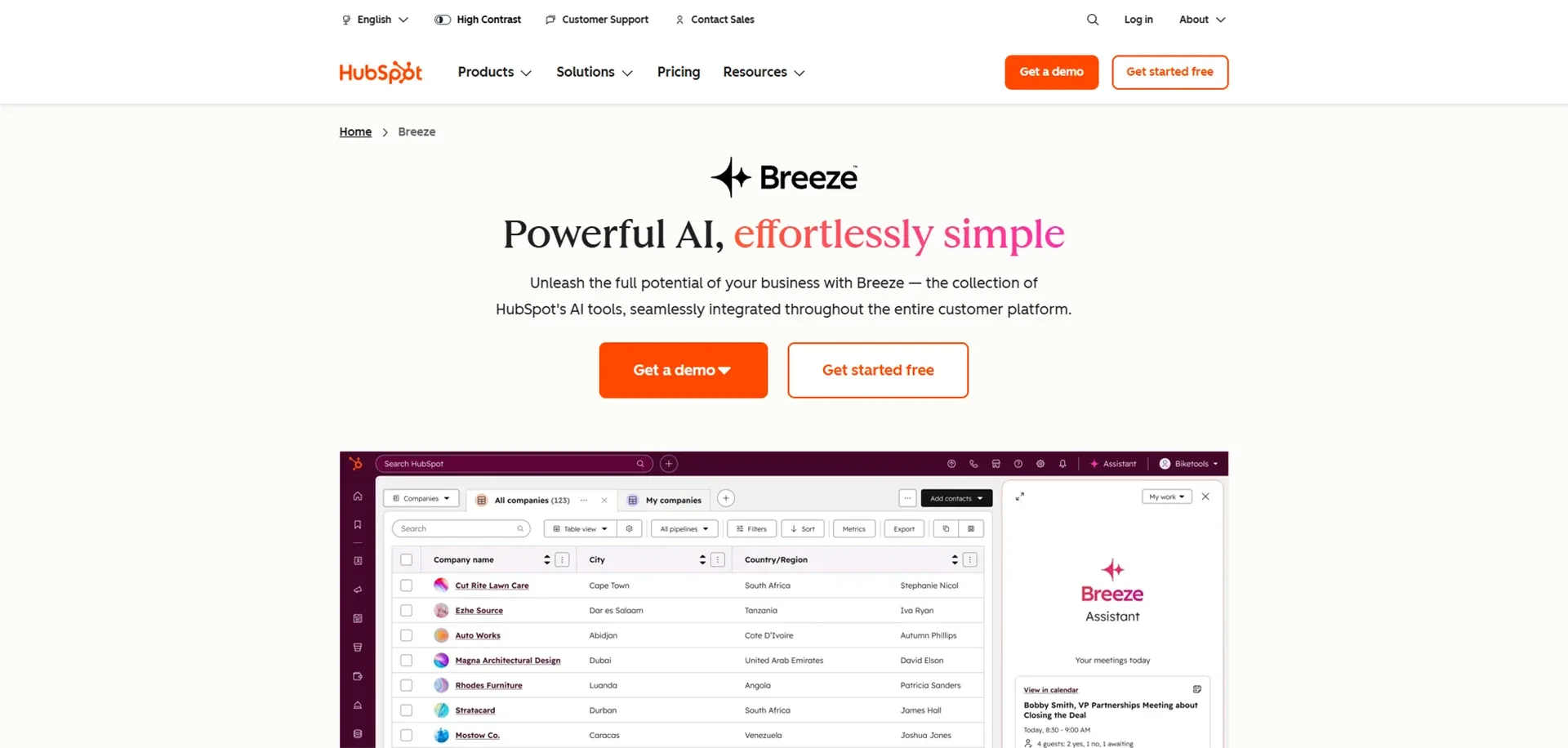
HubSpot AI (Breeze) brings CRM and marketing automation together in one powerful platform. What I really like is how it predicts which leads are most likely to convert, so I can focus my time where it matters most. Instead of guessing, I’m working with data-backed insights. The free tier is surprisingly generous, and the Starter plan at $15 per seat makes it affordable even for small teams.
-
Surfer SEO
Surfer SEO is my go-to tool when I want to rank higher on Google. I simply paste in my draft, and it gives me clear, actionable suggestions what keywords to include, how to improve structure, and what topics I might be missing. It takes the guesswork out of SEO and turns optimization into a step-by-step process.
-
AdCreative.ai
 AdCreative.ai has seriously improved my ad performance. It generates both visuals and ad copy designed to convert. When I tested its creatives against ones I made manually, the AI-generated ads often achieved higher click-through rates. It’s become a reliable shortcut for launching better-performing campaigns faster.
5. Video Production Tools
Video content is huge right now, and these tools make it manageable.
-
Runway ML

Runway ML feels like something out of the future. It can turn simple text prompts into video clips, which still amazes me every time I use it. I’ve created short explainer videos without touching a camera or hiring a video editor. For quick concept videos, social media content, or visual storytelling, it saves an incredible amount of time.
-
Descript
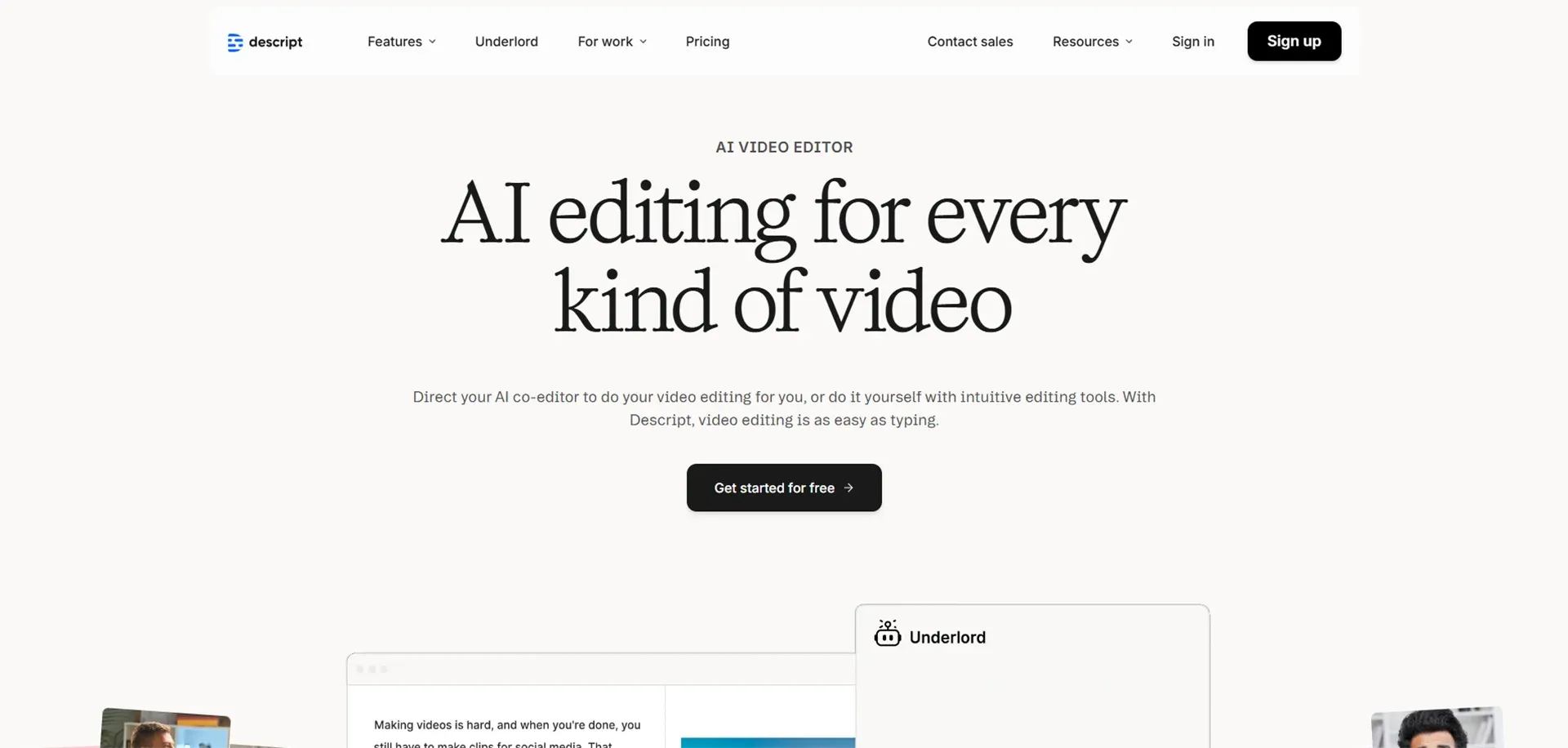
Descript completely changed how I edit videos and podcasts. Instead of working on a complicated timeline, I just edit the transcript like a document. If I delete a sentence from the text, it disappears from the video. I can remove filler words like “um” and “ah,” rearrange sections easily, and even generate AI voiceovers. It makes editing feel simple and intuitive.
-
Synthesia
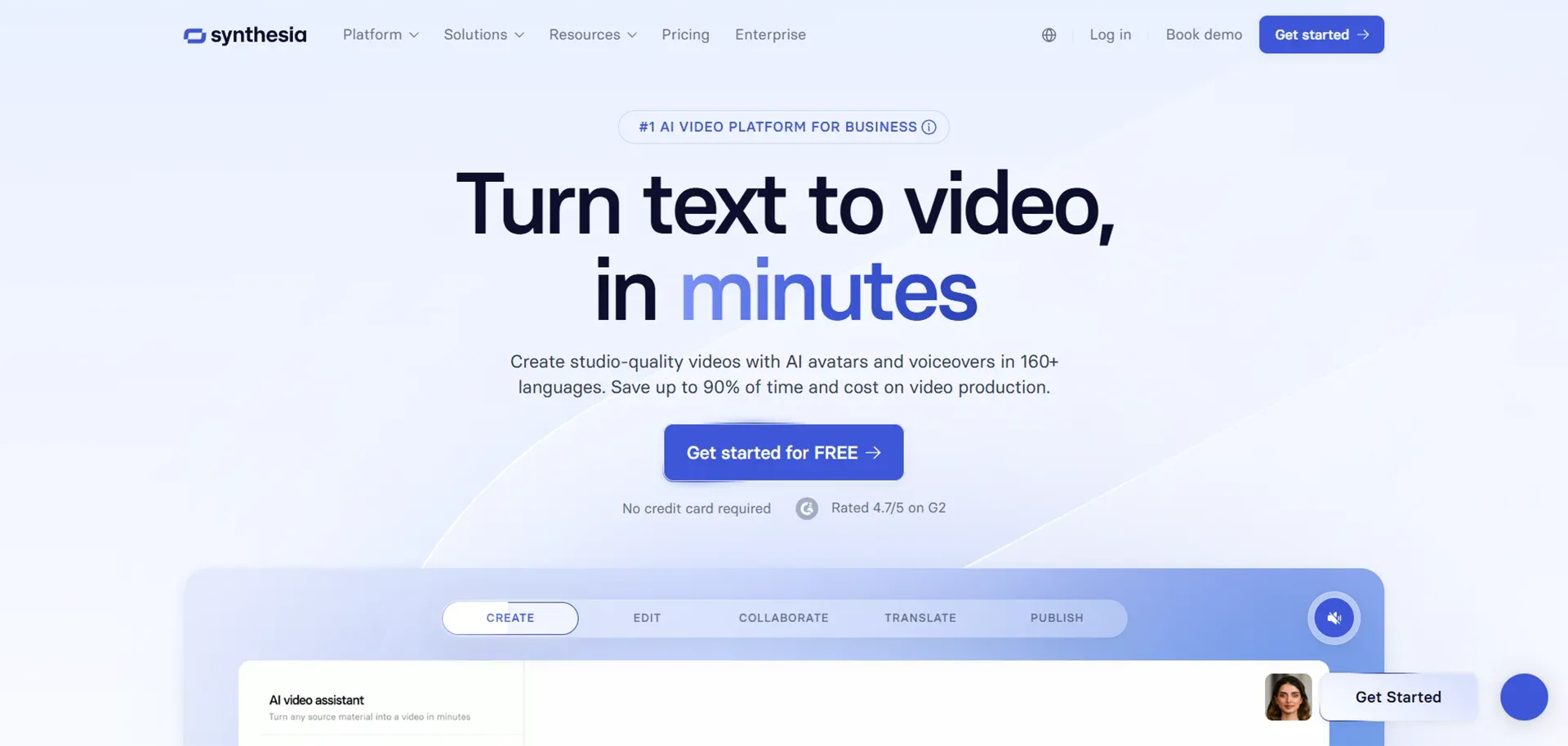
Synthesia is perfect when you need professional-looking videos without being on camera. It creates videos using AI presenters that speak your script naturally. I find it especially useful for training materials, onboarding videos, and product demos. It’s a smart solution when you want consistent, polished content without recording yourself.
Also Read: Best AI Tools for HR in 2026: Smart Hiring and Automation
6. Business Planning Tools
When I needed to create a business plan and pitch deck, these tools saved me.
-
Upmetrics
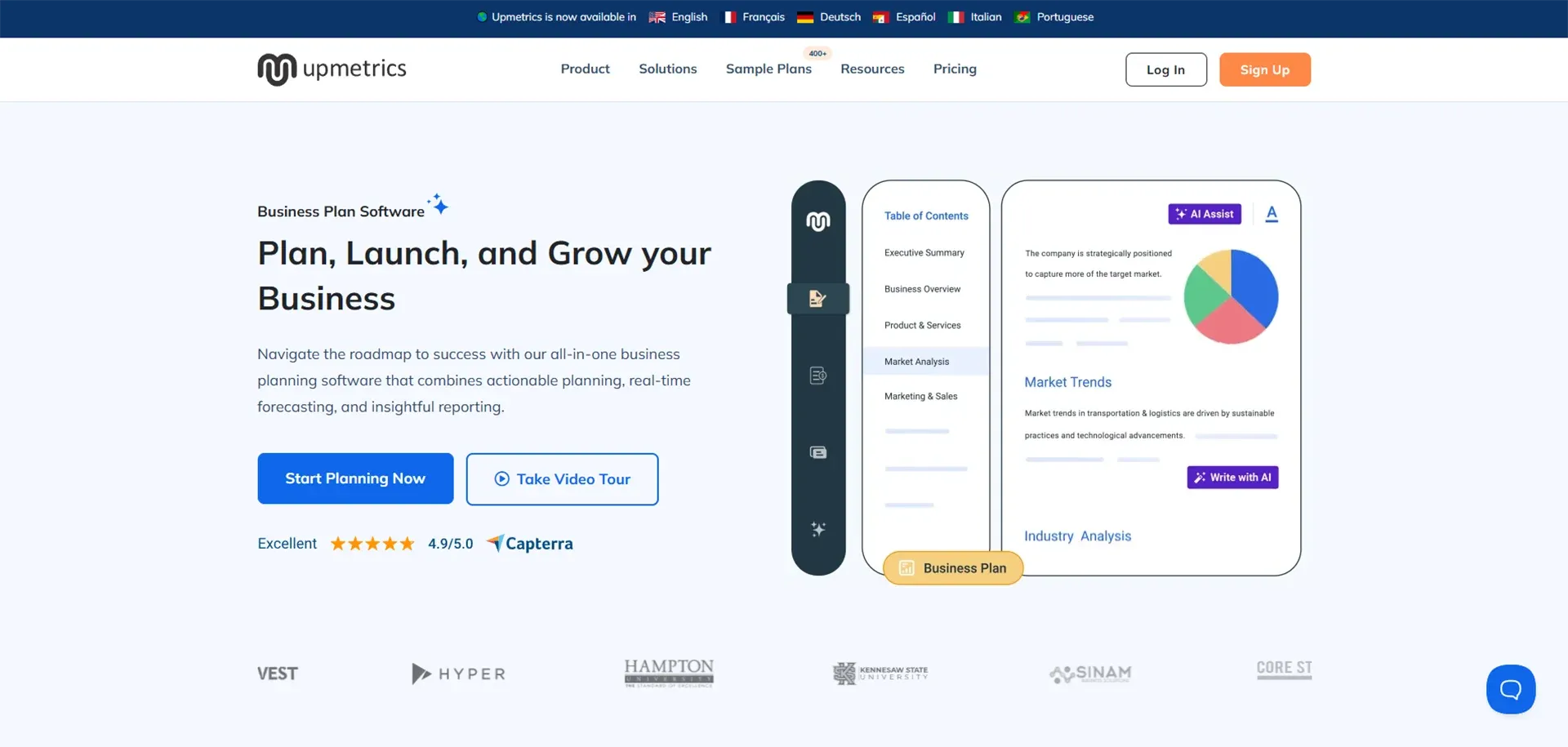
Upmetrics guided me through writing a complete business plan. It has templates, helps with financial projections, and even creates investor-ready pitch decks. I used the Starter plan at $9 per month.
-
Beautiful.ai
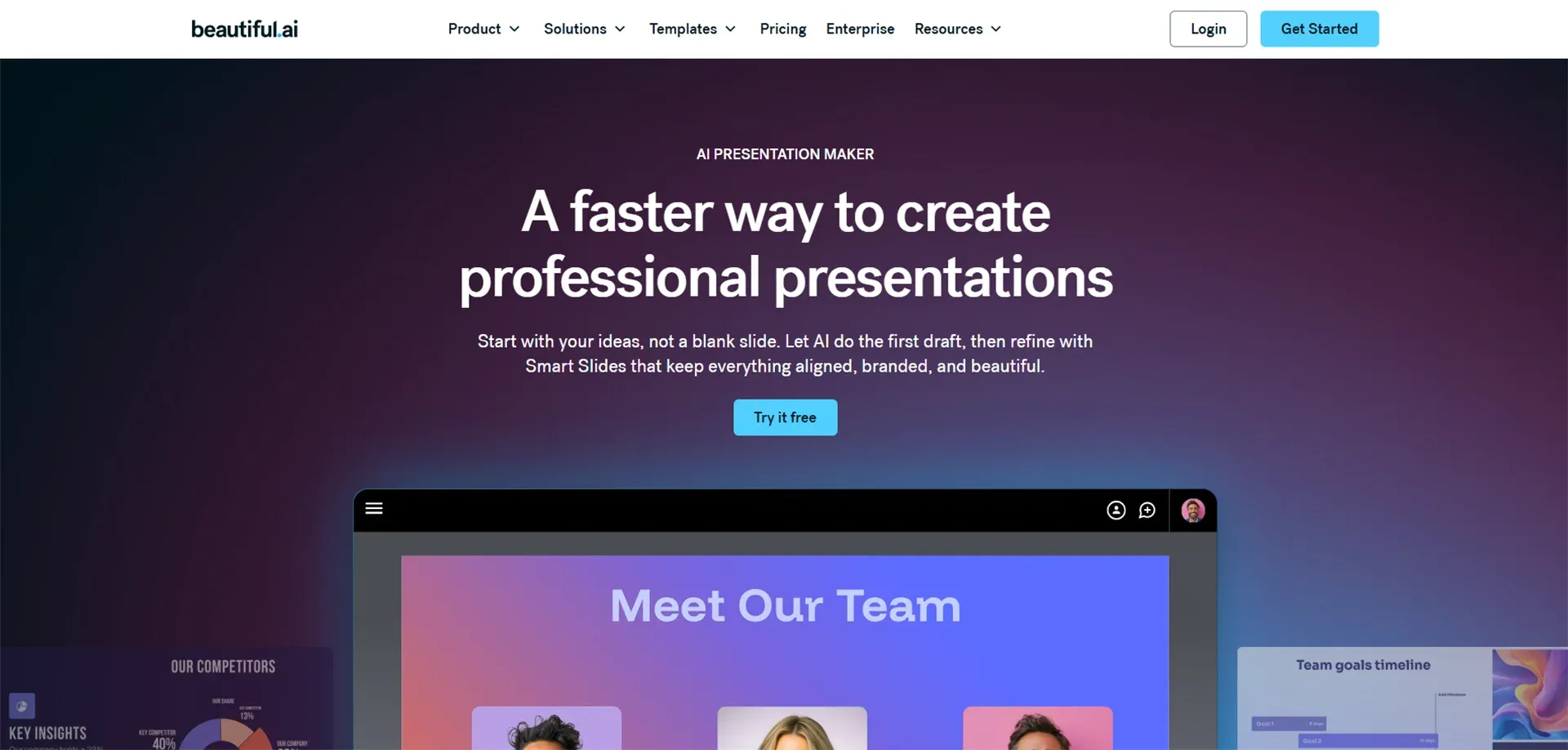
Beautiful.ai makes creating presentations actually enjoyable. It automatically formats slides to look professional, so I don't waste hours adjusting margins and fonts.
7. Customer Support Tools
Happy customers are repeat customers. These tools help me keep customers satisfied.
-
Front
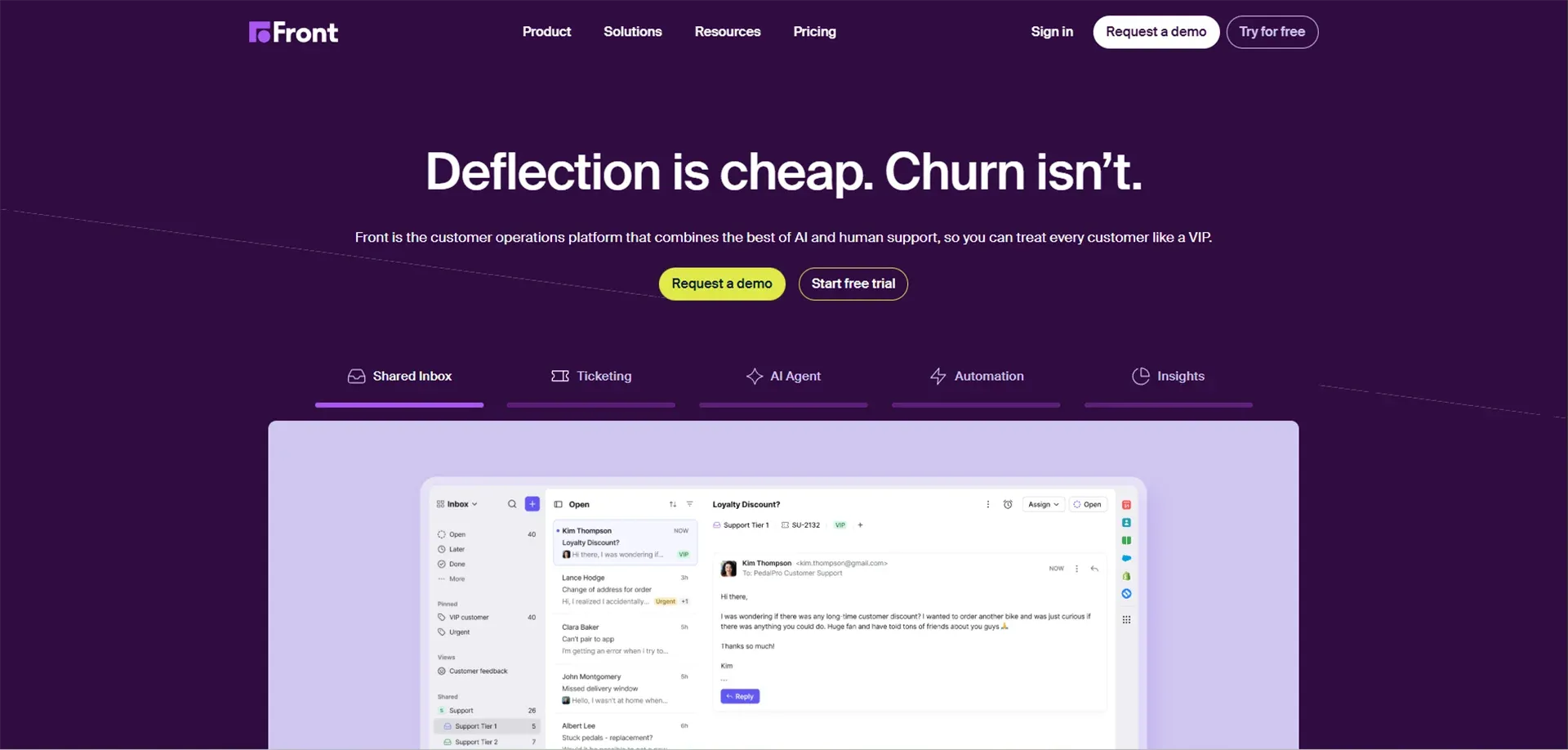
Front keeps all my customer conversations organized in one place. Email, live chat, social media messages verything flows into a single inbox. What I really like is that my team can collaborate on replies internally, assign conversations, and make sure nothing slips through the cracks. At $35 per seat per month for the Starter plan, it’s a solid investment for growing teams.
-
Drift
Drift takes care of the first interaction with website visitors through an AI chatbot. It answers common questions instantly, qualifies leads, and only hands things over to a human when necessary. This saves a lot of time and ensures customers get immediate responses instead of waiting.
-
Intercom
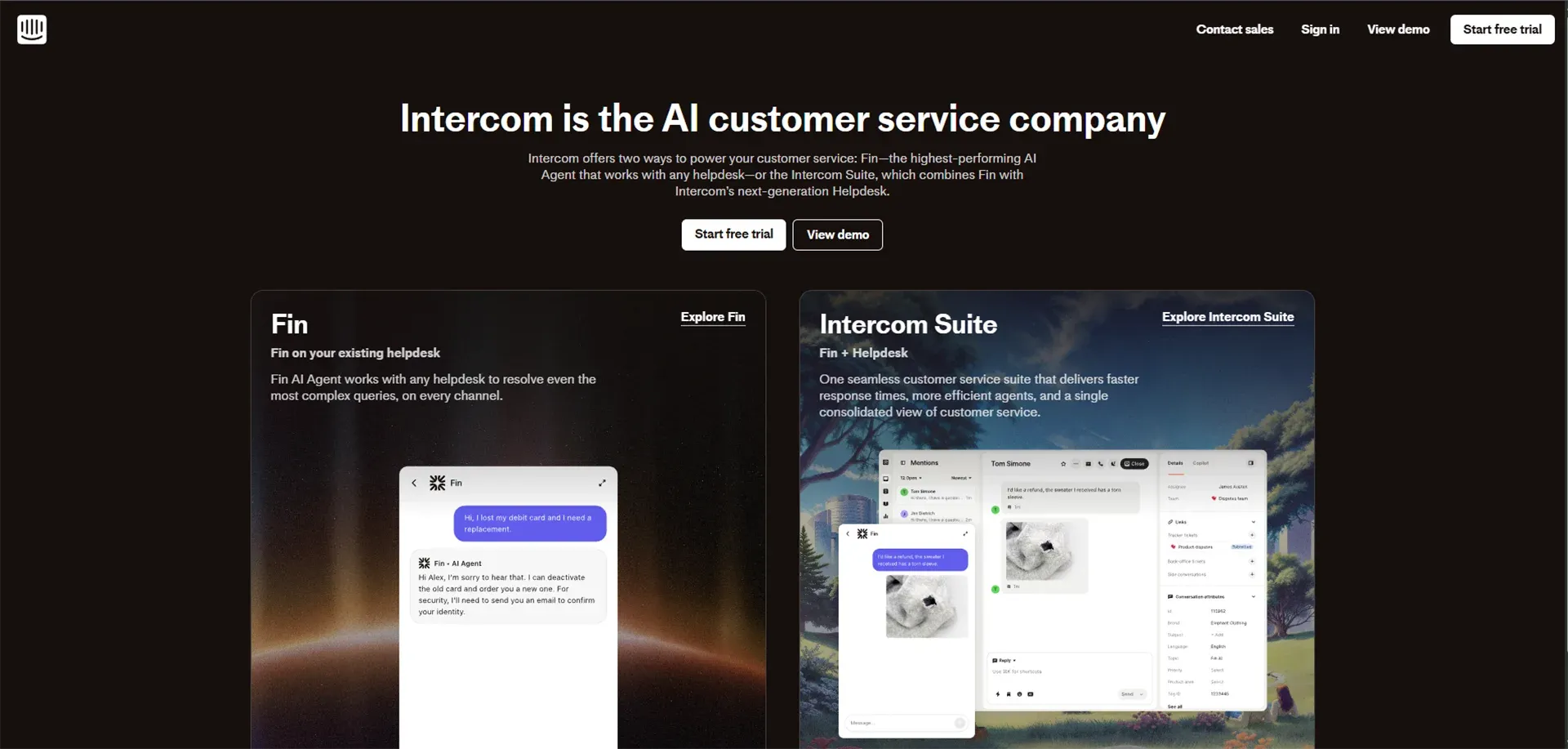 Intercom helps me manage real-time engagement across both my website and app. From live chat to automated messages and onboarding flows, it feels like having a 24/7 support team working in the background. It’s especially powerful for improving customer experience and boosting conversions.
8. Sales and CRM Tools
These tools help me close more deals without working longer hours.
-
Salesforce Einstein
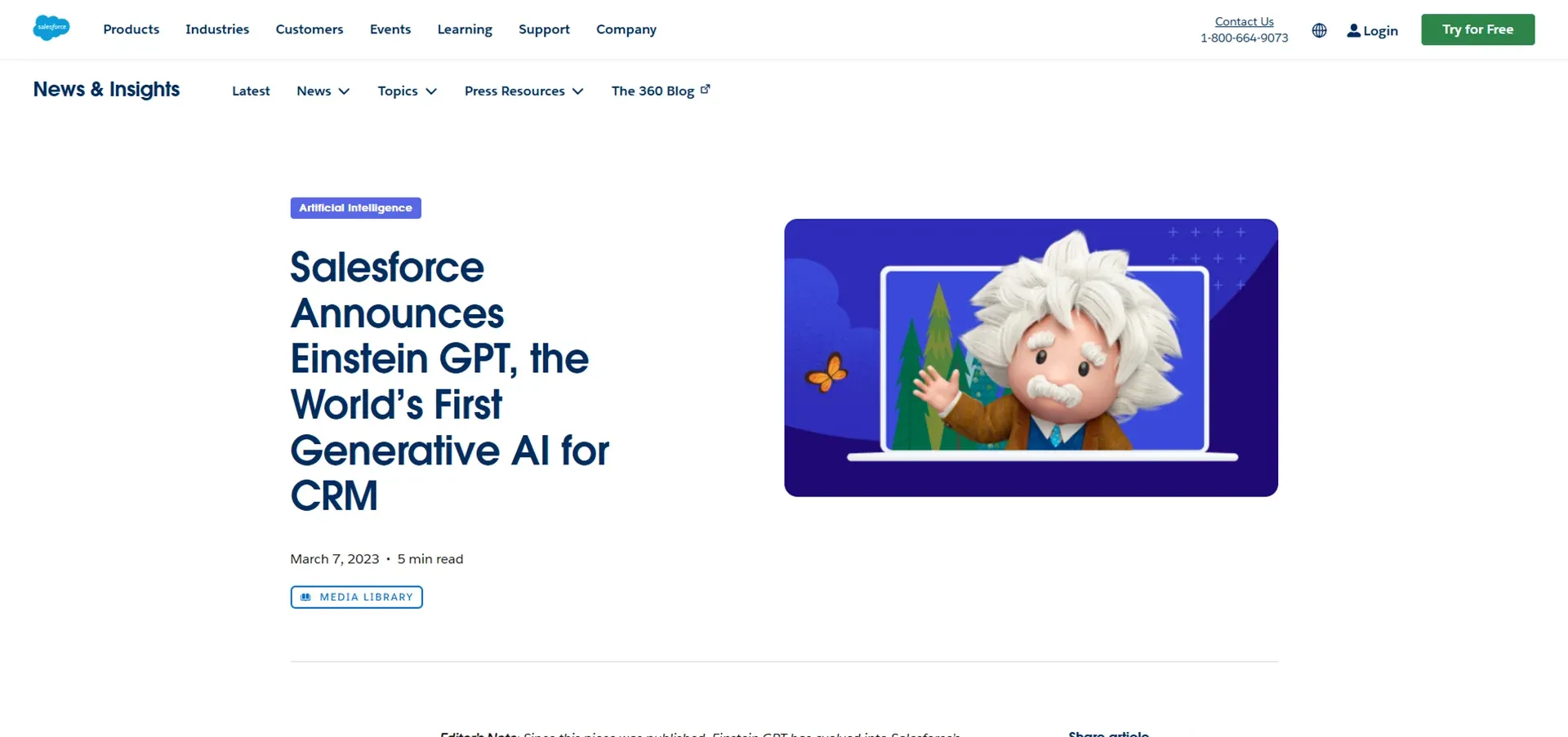 Salesforce Einstein gives my sales process a serious edge. It analyzes data and predicts which prospects are most likely to convert, so I’m not wasting time chasing cold leads. It honestly feels like having a crystal ball for sales, but it’s powered by real data and AI insights instead of guesswork.
-
Outplay
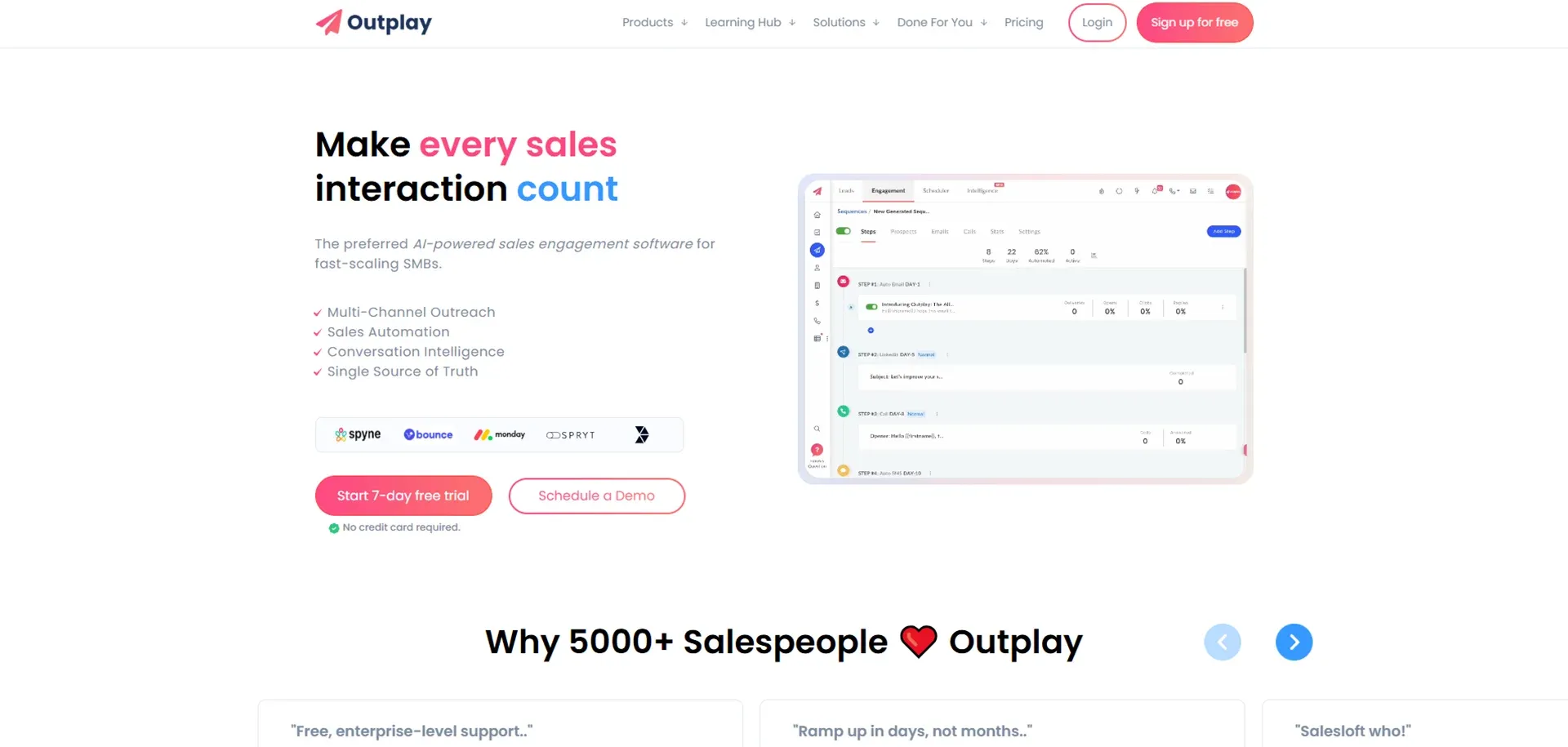 Outplay keeps my outreach consistent without me having to manually follow up every time. I can set up automated email and LinkedIn sequences that nurture leads step by step. It makes sure no opportunity slips through the cracks, and it saves hours of repetitive work each week.
How to Choose the Right AI Tools for Your Startup
Here's my honest advice after trying dozens of tools.
Start by identifying your biggest pain points. Where do you spend the most time? What tasks frustrate you the most? That's where you should focus first.
Don't try to use everything at once. I made that mistake and got overwhelmed. Start with 2-3 essential tools and master them before adding more.
Consider your budget carefully. Many tools offer free trials, so test before you buy. I always try the free version first to see if it actually solves my problem.
Think about integrations. The best AI tools for startups work well together. For example, if you use HubSpot for CRM, look for marketing tools that integrate with it.
Implementation Tips That Actually Work
I've learned some lessons about implementing AI tools the hard way.
Before picking any tool, map out your actual workflows. Understand what you're doing now and where the bottlenecks are. This prevents you from buying tools you don't actually need.
Train your team properly. Even the best tool is useless if your team doesn't know how to use it. I schedule 30-minute training sessions whenever we add a new tool.
Measure your ROI and time savings. I keep a simple spreadsheet tracking how much time each tool saves us. This helps me decide which subscriptions to keep.
Scale gradually. Don't automate everything overnight. Start small, see what works, and then expand.
The Future of AI for Startups
I'm excited about where AI is heading. The technology is becoming more accessible and affordable every month. What cost thousands of dollars a year ago is now available in free or cheap plans.
AI democratization means that tiny startups can now compete with huge companies. You don't need a massive budget to access powerful tools anymore. To stay ahead, keep experimenting. Try new tools. Pay attention to what's working for others in your industry. Don't be afraid to switch tools if something better comes along.
Conclusion
Looking back, I wish I had discovered AI tools for startups sooner. They would have saved me countless late nights and a lot of stress.
If you take away one thing from this article, let it be this. You don't need to do everything manually anymore. The best AI for startups is out there, ready to help you work smarter.
My recommendation? Start with automation tools like Activepieces and content creation tools like ChatGPT or Grammarly. Get comfortable with those, then expand into design, marketing, and other areas.
Don't be intimidated by the technology. Most of these tools are designed for non-technical people like us. They're intuitive, helpful, and honestly kind of fun to use once you get started.
And if you want a simple comparison of all these tools with pricing and features, I've created a downloadable checklist. It'll help you decide which tools make sense for your specific situation.Your startup journey is tough enough. Let AI tools make it a little bit easier. You've got this.
Frequently Asked Questions
1. What are the best AI tools for startups in 2026?
The best AI tools for startups in 2026 include platforms for automation, content creation, design, sales, and customer support. Popular options like ChatGPT, ClickUp, HubSpot AI, and Canva AI help small teams save time, reduce costs, and manage daily tasks more easily.
2. How can AI tools help a startup grow faster?
AI tools help startups grow faster by automating boring tasks, improving marketing results, and giving clear data insights. This allows founders and small teams to focus on strategy, product development, and customer relationships instead of spending hours on manual work every day.
3. Are AI tools affordable for early-stage startups?
Yes, many AI tools offer free plans or low-cost starter options for early-stage startups. Tools like ChatGPT, HubSpot, and Canva provide basic features without upfront costs, making it easier for founders to test and choose what fits their budget and business needs.
4. Which AI tools are best for startup marketing?
For startup marketing, tools like Copy.ai, Surfer SEO, and HubSpot AI work well. They help write ads, improve website content for search engines, and manage leads. These tools make it easier to reach the right audience without hiring a full marketing team.
5. Can AI tools replace employees in a startup?
AI tools do not fully replace employees, but they reduce the need for extra hiring early on. They handle simple and repetitive tasks, allowing your small team to focus on creative work, customer support, and decision-making that still needs a human touch.
6. What AI tools are best for startup automation?
Automation tools like Activepieces and ClickUp are great for startups. They connect apps, manage tasks, and automate workflows. This means less manual work, fewer mistakes, and better organization across your team, even if you only have a few people working together.
7. How do AI tools improve customer support for startups?
AI tools improve customer support by answering common questions quickly and managing messages from different channels in one place. Tools like Drift and Intercom provide chatbots and live support features, helping startups respond faster and keep customers happy at all times.
8. Are AI tools safe to use for business data?
Most trusted AI tools use strong security and data protection systems. Startups should still check privacy policies, use secure passwords, and limit access for team members. Choosing well-known platforms reduces the risk of data leaks or unauthorized use of business information.
9. What AI tools help with startup content creation?
Tools like ChatGPT, Jasper AI, and Grammarly help startups create blogs, emails, and social media posts. They speed up writing, fix grammar mistakes, and improve tone. This helps founders publish professional content without hiring a full-time writer or editor.
10. How can startups choose the right AI tools?
Startups should choose AI tools by finding their biggest problems first. Look at where you spend the most time, test free plans, and check if tools connect with each other. This helps you avoid paying for features you do not really need.
11. Do AI tools work for non-technical founders?
Yes, most AI tools are designed for non-technical founders. They come with simple dashboards, step-by-step guides, and no-code features. This makes it easy for anyone to set up workflows, create content, or manage projects without any coding knowledge.
12. What are the best AI tools for startup sales teams?
Sales tools like Salesforce Einstein and Outplay help startups find strong leads and automate follow-ups. These tools track customer activity, send emails, and predict who is ready to buy, helping small sales teams close more deals in less time.
13. Will AI tools stay useful for startups in the future?
AI tools will likely become even more useful as they improve and become cheaper. Startups will gain access to better automation, smarter data insights, and easier marketing tools, helping small businesses compete with larger companies without needing a big budget.