I remember sitting in my office two years ago, buried in spreadsheets and CRM data. My sales team spent more time doing admin work than actually talking to customers. Then I found AI tools for sales, and honestly, everything changed.
Here's what I've learned: the best AI tools for sales aren't just cool tech gadgets. They're practical tools that save you hours every week and help you close more deals. In this guide, I'm going to share my real experience with the top AI sales tools that actually work.
You'll find out which tools are best for different sales situations, how to pick the right one for your team, and simple tips I wish someone had told me when I started. No nonsense, just honest advice from someone right where you are.
What Are AI Tools for Sales?
Let me explain it in an easy way. AI sales tools are software programs that use artificial intelligence to help you sell better and faster. Think of them as your personal helper that never sleeps and never makes mistakes.
From my own experience, these tools do cool things like:
- Score your leads so you know exactly who to call first
- Automate your email outreach so you can contact hundreds of prospects without writing every message yourself
- Look at your CRM data and show you patterns you would never notice on your own
- Predict which deals are most likely to close
That's really powerful.
The best thing? They work smoothly with the tools you already use. Most AI sales tools connect easily to your CRM and other sales software. You don't have to be a tech expert to use them.
Why Sales Teams Need AI in 2026
I'll be honest with you. When I first heard about the best AI sales tools for automation, I was doubtful. I thought, "Do we really need another tool?" But after using them for over a year, I can't imagine going back.
The biggest game changer is speed. My team used to spend 3-4 hours daily on data entry and updating records. Now? Maybe 30 minutes. That's the time we now spend actually talking to customers and building relationships.
Personalization at scale is another huge benefit. You know how everyone says personalization matters? Well, AI makes it possible to personalize hundreds of emails without spending all day writing them. The tools analyze your prospect's company, role, and interests, then suggest the perfect message. It feels personal because it is.
And forecasting? Let me tell you, our pipeline management improved dramatically. AI looks at all your deals and predicts which ones will close and when. No more guessing games with your sales forecast. Your boss will love you for this.
How We Evaluated These AI Sales Tools
I didn't just pick random tools for this list. I spent months testing different AI tools for sales to see which ones actually work in real sales situations.
My main criteria were simple. First, does it save time? If a tool doesn't reduce manual work, what's the point? Second, does it improve results? I wanted to see actual improvements in conversion rates or deal sizes. Third, is it easy to use? Complicated tools just gather dust. Fourth, does it play nicely with your existing tech stack? Integration matters more than you think.
I also considered different sales roles. What works for an SDR doing cold outreach might not work for an account executive closing enterprise deals. And sales managers need different features than individual reps. I've tried to cover all these scenarios in my recommendations.
Top AI Tools for Sales in 2026
Now let's get into the best AI tools for sales that I've personally used and recommend. Each one excels at something specific, so pay attention to which fits your needs best.
1. Cognism — Sales Intelligence & Lead Data
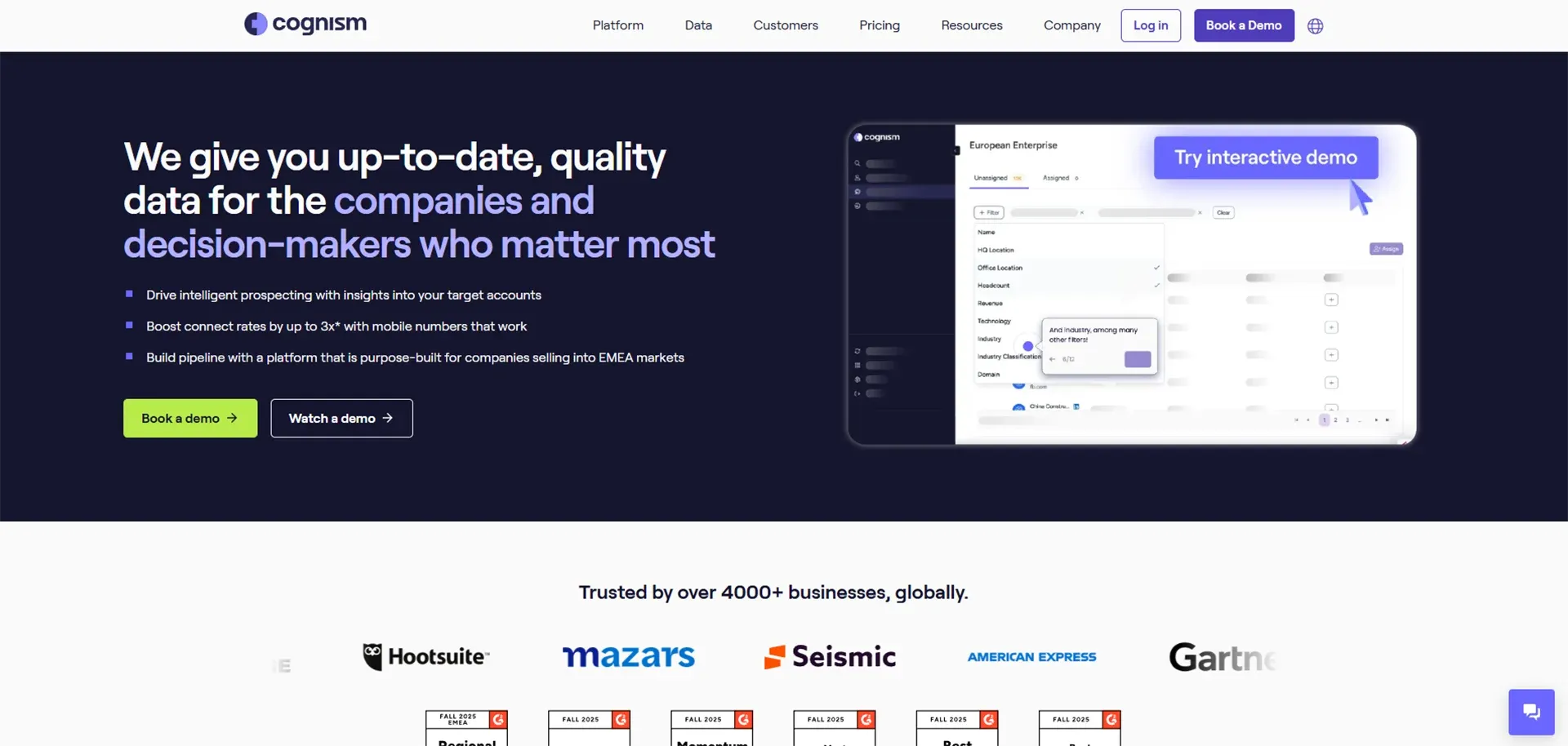
Finding good contact information used to drive me crazy. Half the phone numbers were wrong, and email bounce rates were terrible. Then I started using Cognism.
This tool combines a massive database of contact information with AI insights about your prospects. What I love is that it's compliant with data privacy laws, which matters a lot these days. The AI part helps you understand not just who to contact, but when and why.
Best for: Finding and researching decision-makers at target companies. If you do B2B sales and need accurate contact data, this is gold.
2. Salesforce (Sales Cloud + Einstein AI) — CRM & Predictive Insights
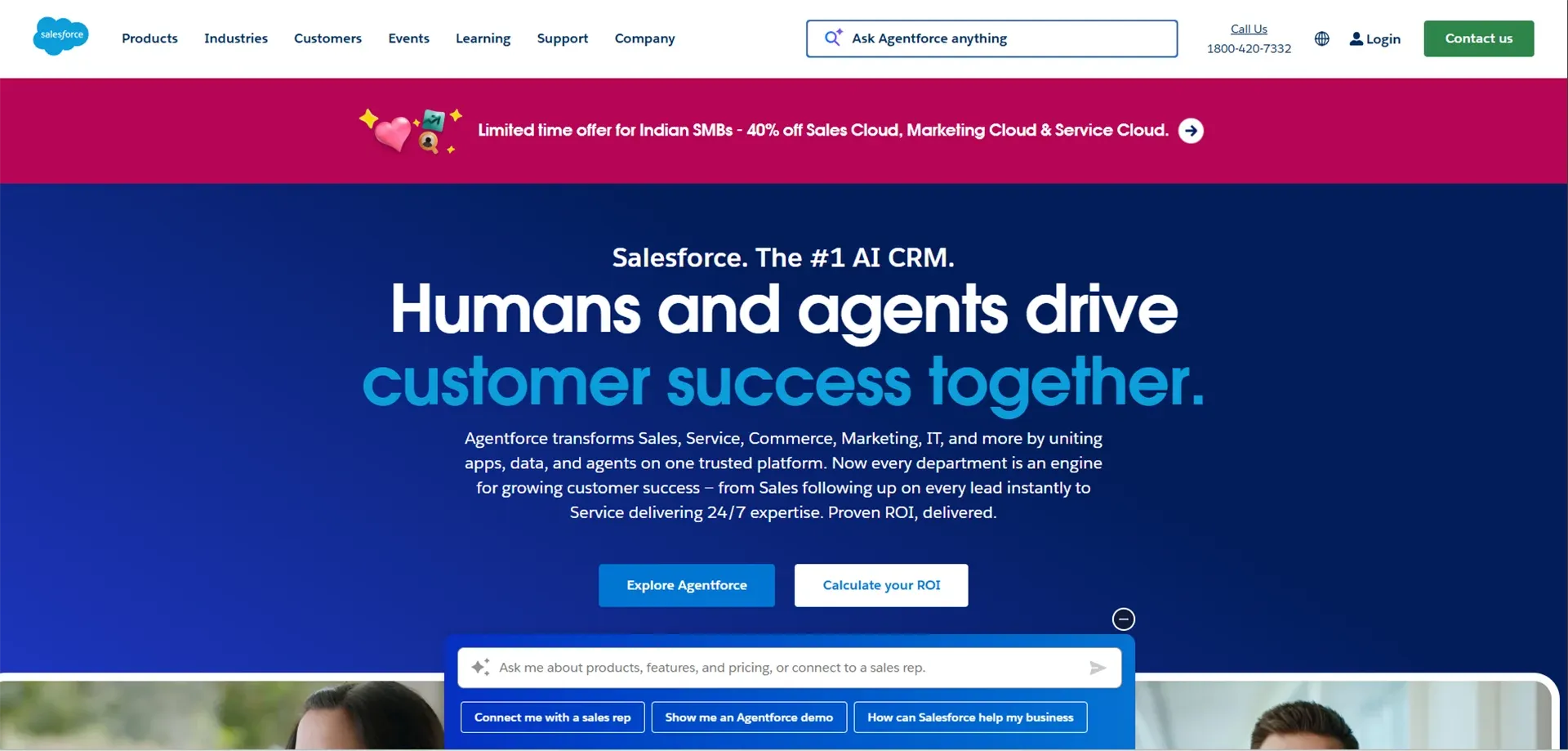
I know, I know. Salesforce isn't new. But their Einstein AI features? Game changing. If you're already using Salesforce, you might not realize how powerful the AI capabilities are.
Einstein analyzes all your pipeline data and tells you which deals need attention, which leads to prioritize, and even suggests next steps for each opportunity. It learns from your successful deals and applies those patterns to new ones.
Best for: Teams already on Salesforce who want to add predictive intelligence without switching platforms. The forecasting accuracy alone is worth it.
3. Overloop AI — Sales Automation & Outreach
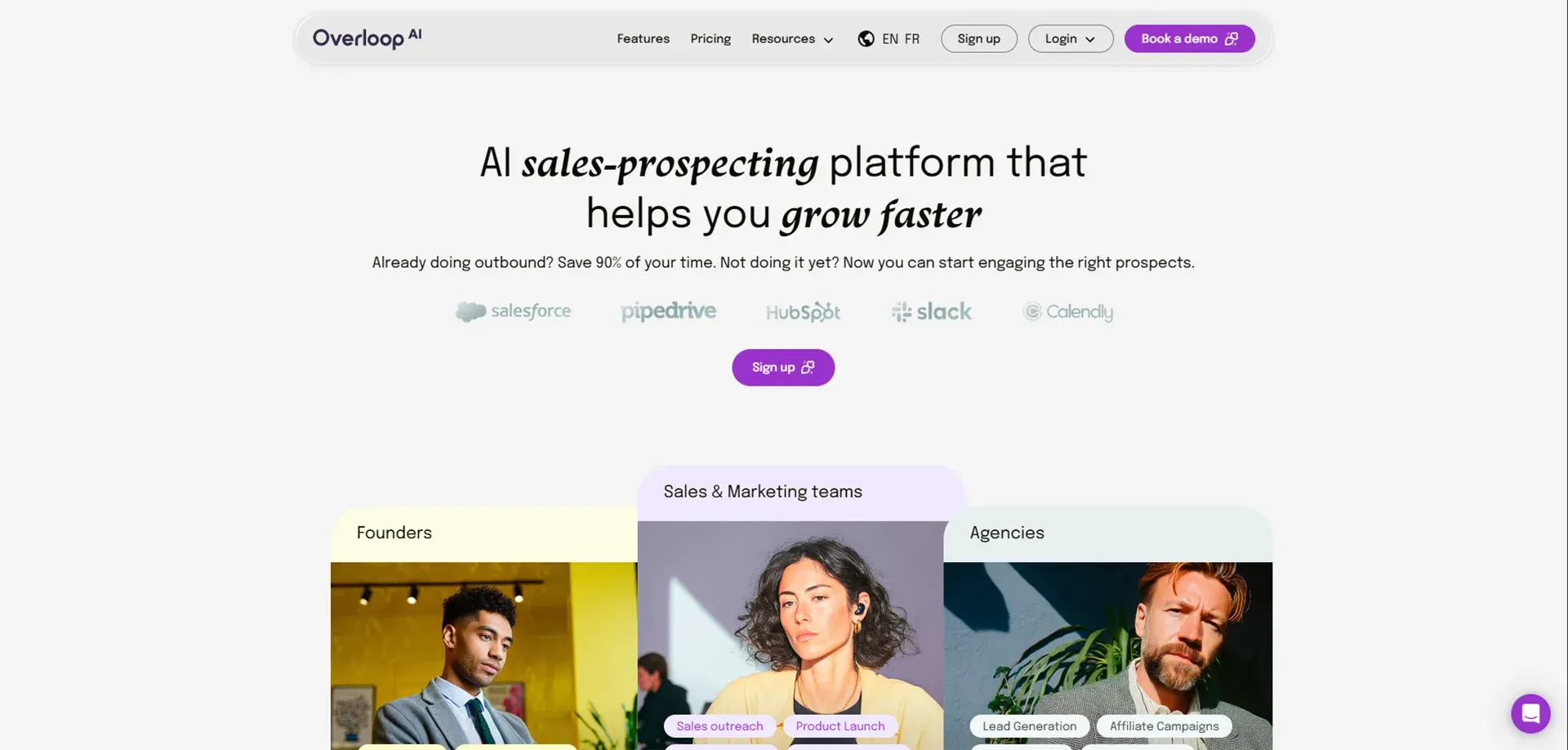
When you need to send personalized outreach at scale, Overloop is one of the best AI sales tools for automation I've found.
It handles multi-channel campaigns across email, LinkedIn, and phone. The AI personalizes each message based on the prospect's profile and behavior. I've seen our reply rates double since we started using it properly.
Best for: SDRs and BDRs who need to reach lots of prospects without sacrificing personalization. Perfect for outbound sales teams.
4. Fireflies.ai — AI Meeting Notes & Conversation Intelligence
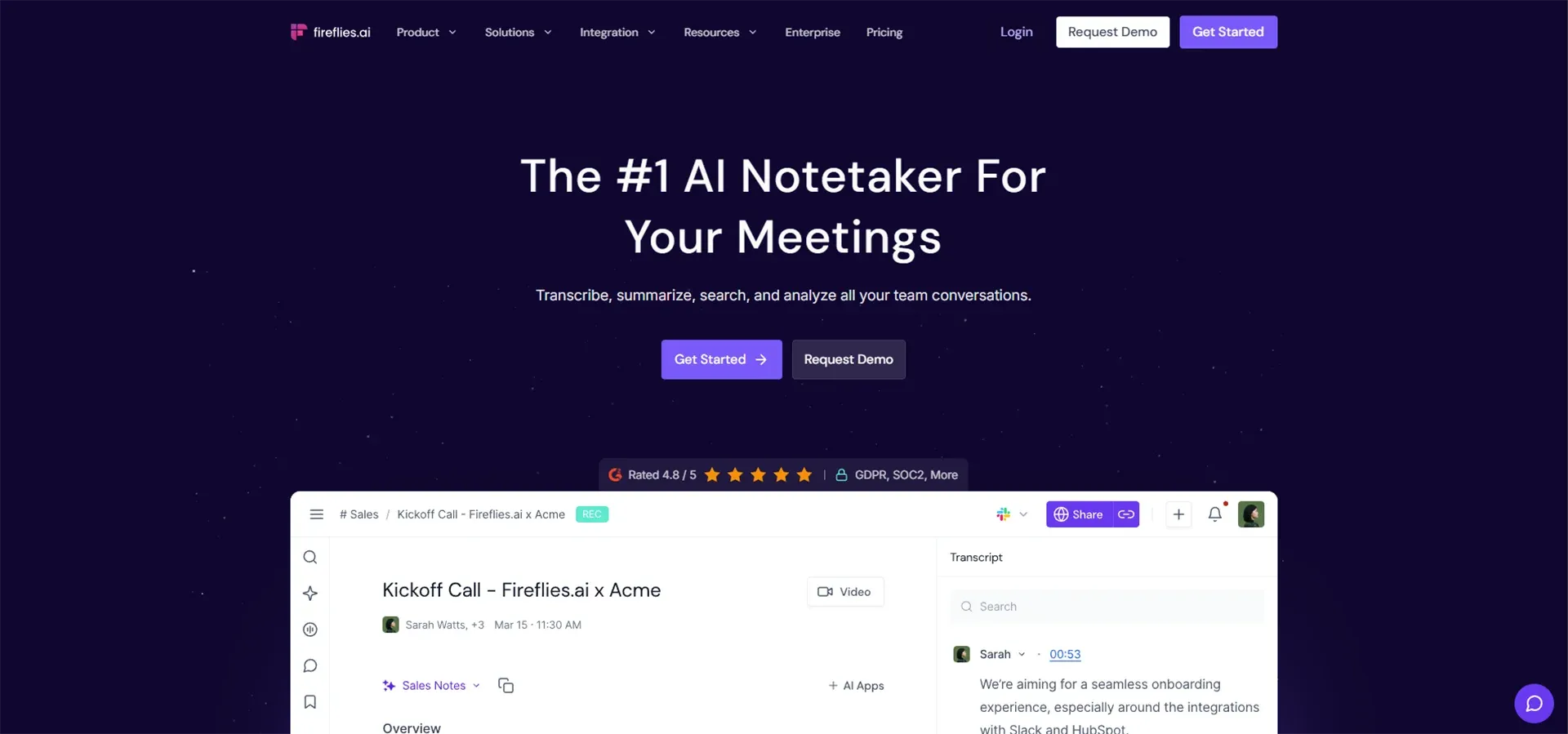
I used to take terrible notes during sales calls. I'd miss important details while typing. Fireflies solved this problem completely.
It joins your calls, records everything, transcribes the conversation, and automatically logs key points to your CRM. You can focus entirely on the customer instead of scrambling to write notes. After the call, you get a summary of action items, questions asked, and important moments.
Best for: Anyone who does sales calls. Seriously, everyone should use this. It's especially valuable for training new reps who can review successful calls.
5. Gong.io — Conversation Analytics & Sales Coaching
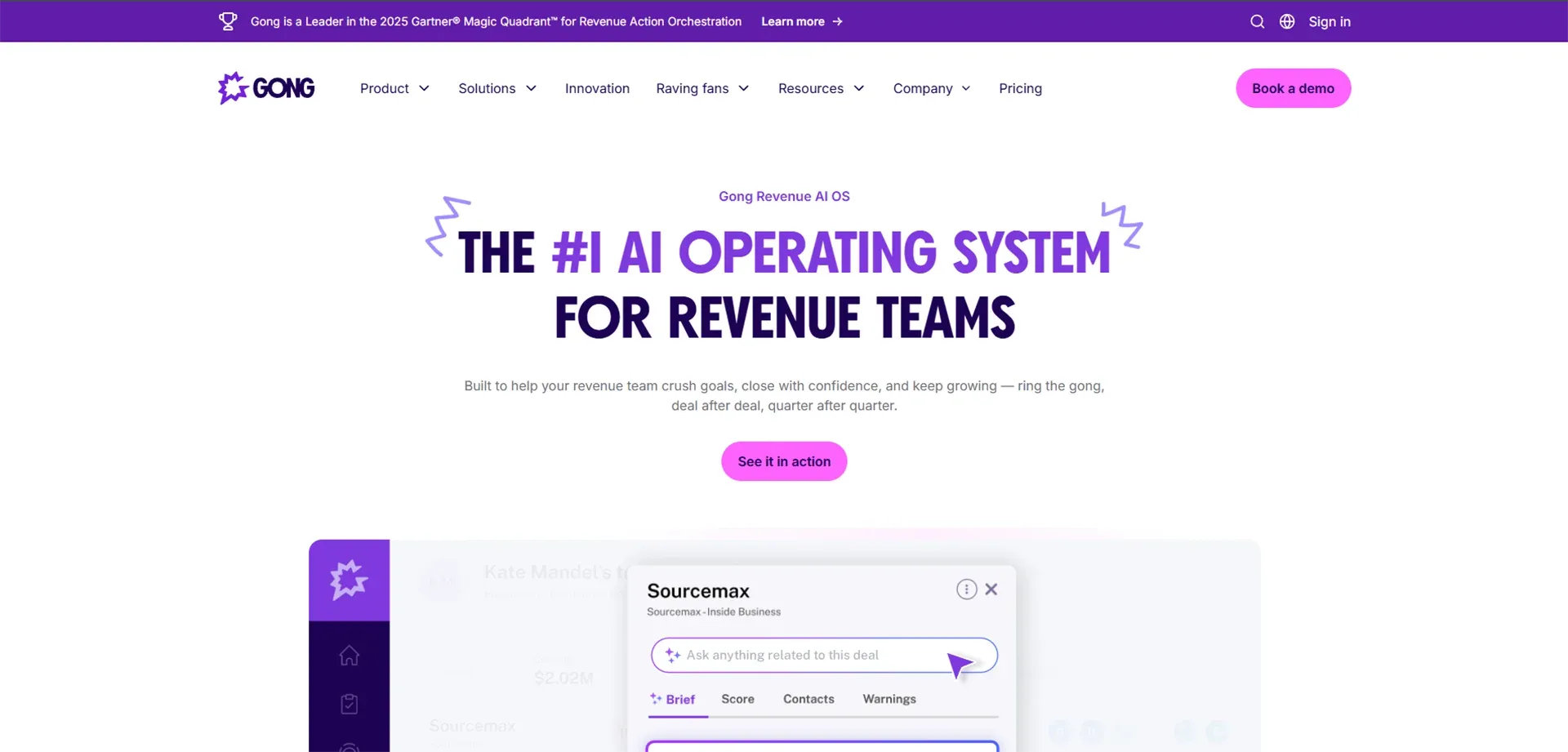
Gong takes conversation intelligence to the next level. While Fireflies captures calls, Gong analyzes them deeply to find patterns in what makes deals close.
It listens for competitor mentions, pricing discussions, buying signals, and objections. Then it tells you what your best reps do differently from average ones. As a manager, this has been invaluable for coaching my team.
Best for: Sales managers who want to improve team performance and reps who want to learn from their best calls. Also great for spotting deal risks early.
Also Read: What Is an AI Sales Agent and How Does It Work? (2026 Guide)
6. Apollo.io — AI Prospecting & Lead Generation
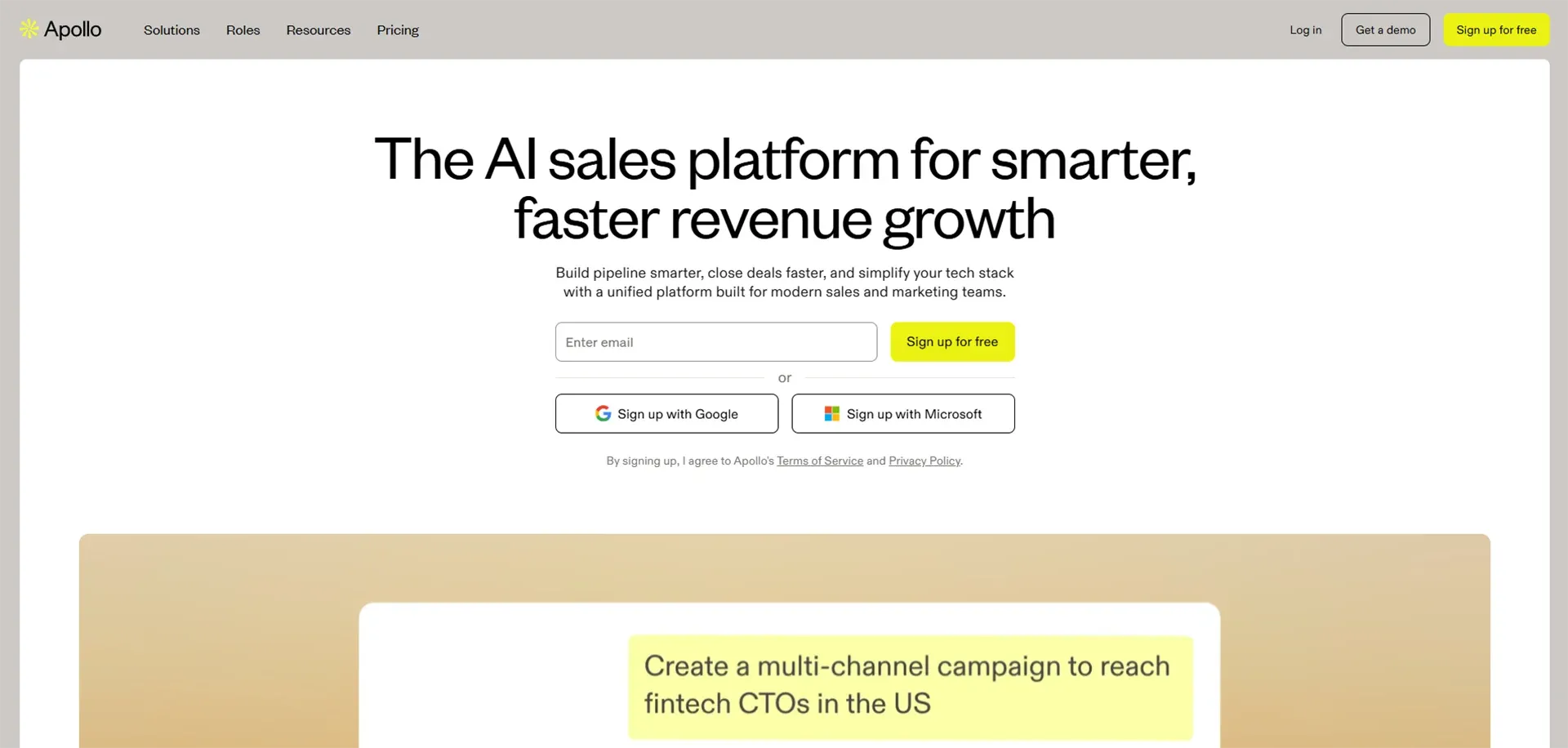
Apollo has become one of my go-to tools for prospecting. It combines a huge B2B database with AI-powered search and outreach automation.
You can find ideal prospects using specific criteria, then set up automated sequences to reach them. The AI learns which messages work best and optimizes your campaigns over time. Plus, it's more affordable than many competitors.
Best for: Small to medium teams that need both prospecting and outreach in one platform. Great value for money.
7. Lavender — AI Email Optimization
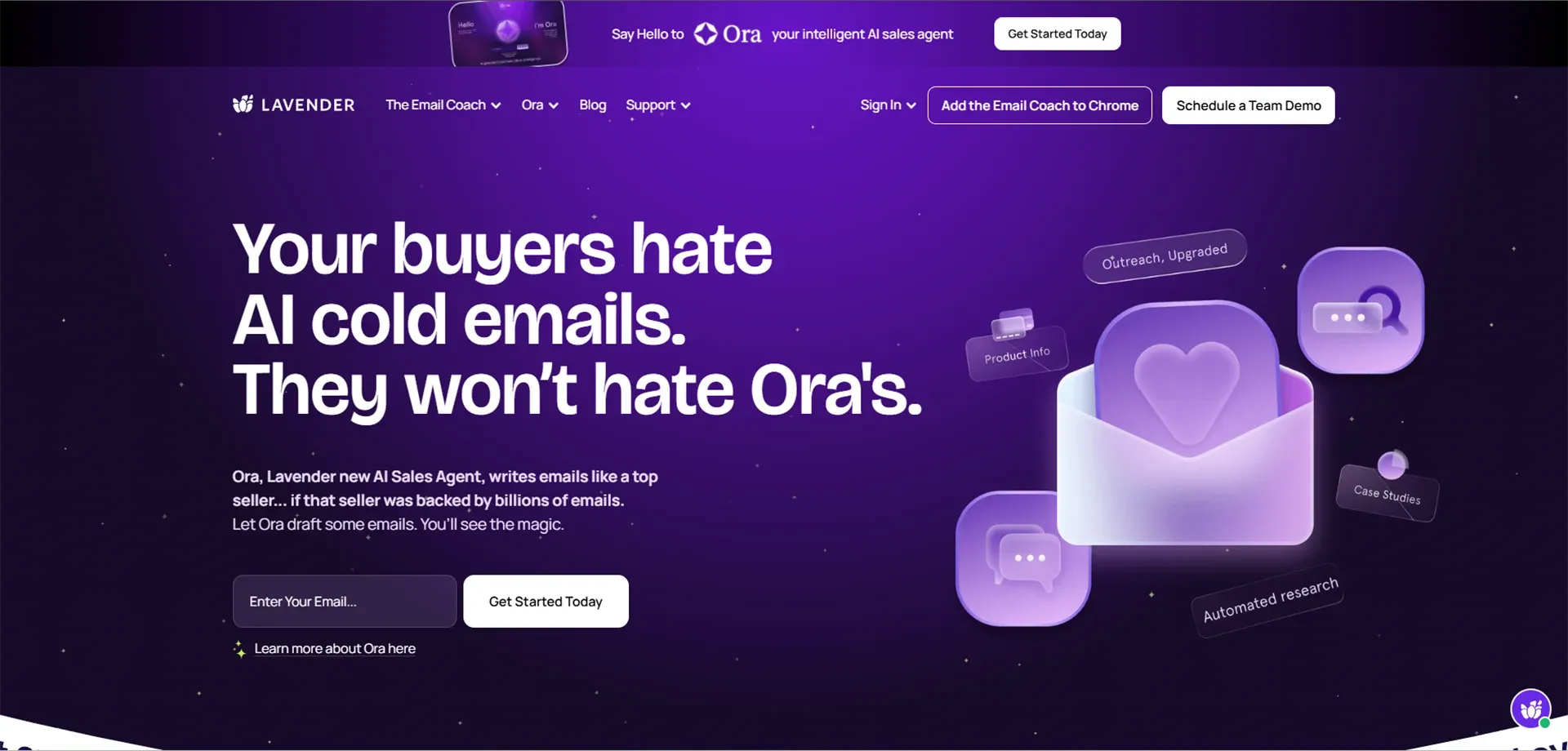
Ever wonder if your sales emails are actually good? Lavender tells you before you hit send.
It scores your emails and suggests improvements to increase reply rates. Things like subject line strength, email length, tone, and call-to-action clarity. I've learned more about writing effective sales emails from this tool than from any course.
Best for: Anyone sending cold emails. The real-time feedback helps you improve with every message you send.
8. Crystal — Personality-Driven Messaging
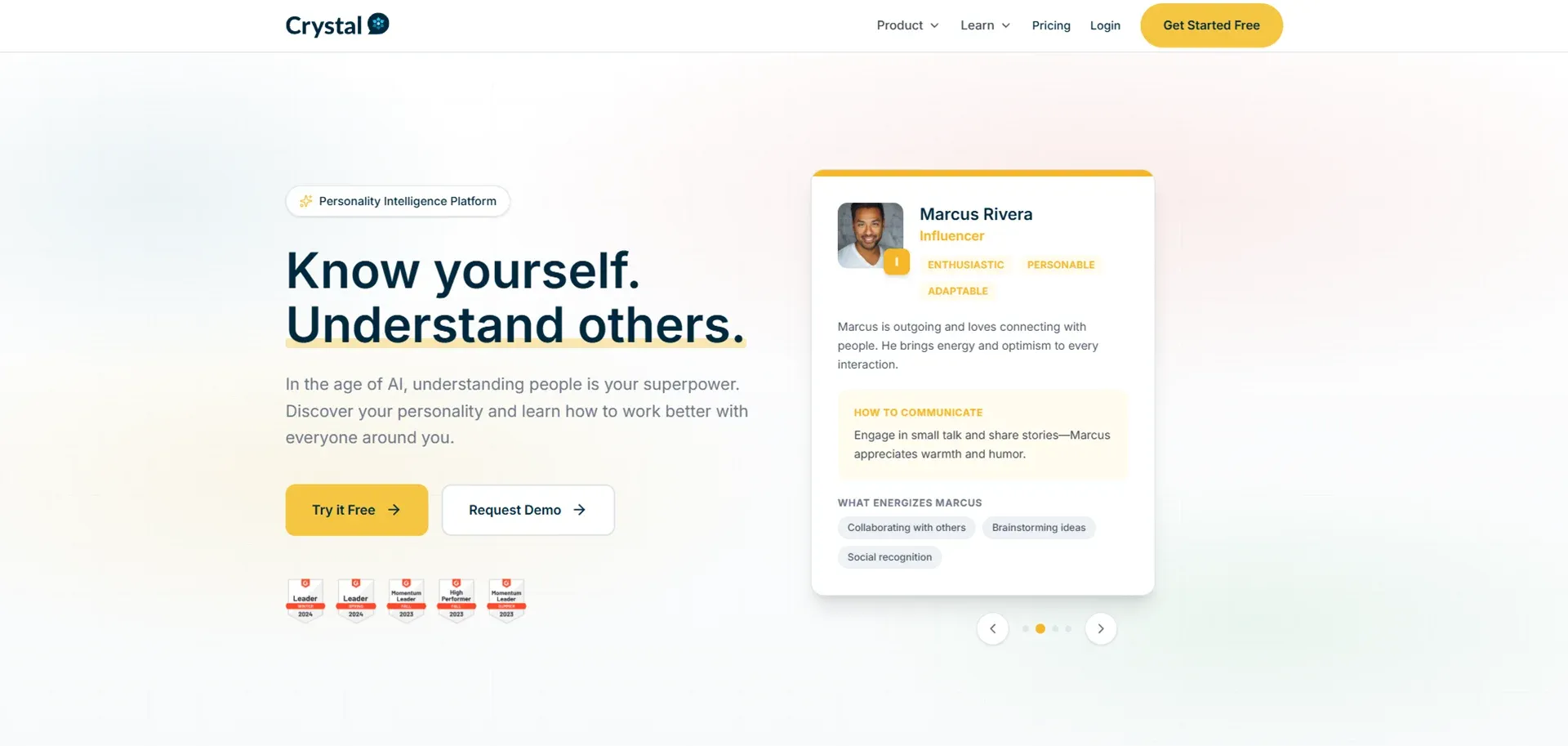
This one's unique. Crystal uses AI to predict your prospect's personality type based on their public profiles and online presence.
Then it suggests how to communicate with them. Should you be direct or build rapport first? Use data or tell stories? It sounds almost too good to be true, but it's surprisingly accurate. I've used it to adjust my approach before important calls, and it helps.
Best for: High-touch sales where relationship building matters. Especially useful for enterprise sales with long sales cycles.
How to Choose the Right AI Tool for Your Sales Team
Choosing what's the best AI tool for sales for your team depends on a few key factors. Let me walk you through how to think about this.
First, consider your team size. Small teams with 5-10 reps might do well with an all-in-one tool like Apollo. Larger enterprise teams usually need specialized tools for different functions, like Salesforce for CRM plus Gong for call analysis.
Second, think about your sales motion. Are you doing mostly inbound sales where leads come to you? Focus on tools that help with lead scoring and qualification. Doing outbound? You need prospecting and outreach automation. Enterprise sales with long cycles? Conversation intelligence and relationship tools matter more.
Finally, identify your biggest pain point. Spending too much time finding prospects? Get a prospecting tool. Losing deals because of poor follow-up? Look at CRM automation. Not sure why deals are stalling? Try conversation analytics. Start with the problem that costs you the most time or money.
Tips for Using AI Tools in Sales Like a Pro
I've learned some lessons the hard way about using the best AI tools for sales role-play and other AI sales tools. Here's what actually works.
Don't rely on just one tool. I use Cognism for prospecting, Overloop for outreach, and Fireflies for calls. They work together beautifully. The key is making sure they integrate with your CRM so data flows everywhere automatically.
Train your team properly. I see this mistake constantly. Companies buy expensive tools, then expect reps to figure them out alone. Spend a few hours training everyone. Show them real examples. Let them practice. The tool is only as good as how well your team uses it.
Always review AI suggestions before sending. AI is smart, but it's not perfect. I once almost sent an email with a completely wrong company name because I didn't check. Always add your human touch and judgment.
Measure results. Track your metrics before and after implementing AI tools. Are your reply rates improving? Is your sales cycle shorter? Are you closing more deals? If not, you might need to adjust how you're using the tools or switch to different ones.
Conclusion
Look, I get it. Adding new tools to your sales process feels overwhelming. But AI tools for sales aren’t just another tech trend. They’re essential for staying competitive in 2026.
The teams winning right now are the ones using AI to work smarter. They’re spending less time on busy work and more time building relationships and closing deals. And that’s what truly drives revenue growth.
My advice? Pick one tool from this list that addresses your biggest challenge. Test it for a month. Measure the results. If it works, great. If not, try another one. The key is to start somewhere.
And if you’re looking to go beyond tools and implement complete AI automation across your sales process, consider working with RejoiceHub. Their AI automation services help businesses streamline lead generation, automate follow-ups, build AI agents, and create scalable sales systems designed for long-term growth.
Frequently Asked Questions
1. What are AI tools for sales, and how do they work?
AI tools for sales use data and machine learning to help sales teams work faster and smarter. They score leads, automate outreach, analyze calls, and predict deal outcomes, allowing reps to focus more on conversations instead of admin work.
2. What are the best AI tools for sales in 2026?
Some of the best AI tools for sales in 2026 include Salesforce with Einstein AI, Apollo.io, Gong, Fireflies.ai, Overloop, Cognism, Lavender, and Crystal. Each tool focuses on a different part of the sales process, from prospecting to closing deals.
3. What’s the best AI tool for sales for small teams?
For small sales teams, Apollo.io is often the best AI tool for sales. It combines prospecting, contact data, and outreach automation in one platform, making it affordable and easy to manage without needing multiple tools.
4. Can AI sales tools really help close more deals?
Yes, AI sales tools help close more deals by prioritizing the right leads, improving follow-ups, and showing patterns from successful sales calls. They don’t replace sales reps, but they remove guesswork and help reps focus on deals that matter most.
5. Are AI tools for sales automation worth the cost?
AI sales tools for automation are usually worth the cost if they save time and improve conversions. Even saving a few hours per week or closing one extra deal per quarter can easily cover the monthly subscription cost.
6. What’s the best AI tool for sales role-play and coaching?
Gong is one of the best AI tools for sales role-play and coaching. It analyzes real sales conversations, highlights what top performers do differently, and helps managers coach reps using real examples instead of guesswork.
7. Do AI sales tools work for outbound sales teams?
Yes, AI sales tools work very well for outbound teams. Tools like Overloop, Apollo, and Cognism help find prospects, personalize cold outreach, and improve reply rates, making outbound sales more efficient and less manual.
8. Can AI replace human sales reps?
No, AI cannot replace human sales reps. Sales still require trust, empathy, and relationship building. AI tools handle repetitive tasks and provide insights, but humans are still needed to understand customers and close deals effectively.
9. How do AI tools help with sales forecasting?
AI tools analyze past deals, pipeline activity, and buyer behavior to predict which deals are likely to close. This makes sales forecasting more accurate and helps managers plan revenue without relying on gut feeling alone.
10. Are AI sales tools difficult to set up and use?
Most modern AI sales tools are easy to set up and connect smoothly with CRMs like Salesforce or HubSpot. With basic training, sales reps can start using them within days, not weeks, even without technical experience.
11. How do I choose the best AI sales tool for my business?
To choose the best AI sales tool, first identify your biggest sales problem. If it’s prospecting, pick a lead tool. If it’s follow-up or coaching, choose conversation intelligence. Start small, test results, and expand only when needed.